For overseas buyers, the decision to import molds from China represents a significant opportunity for cost efficiency and manufacturing scalability. However, navigating the vast landscape of suppliers to find a truly reliable partner can be daunting. The stakes are high—a poor-quality mold leads to production delays, defective products, and ultimately, financial loss. This guide is designed to cut through the noise and provide you with a practical, actionable framework for identifying and partnering with a professional plastic mold factory that meets international standards. By focusing on strategic verification and clear communication, you can transform this complex procurement process into a streamlined and successful venture.
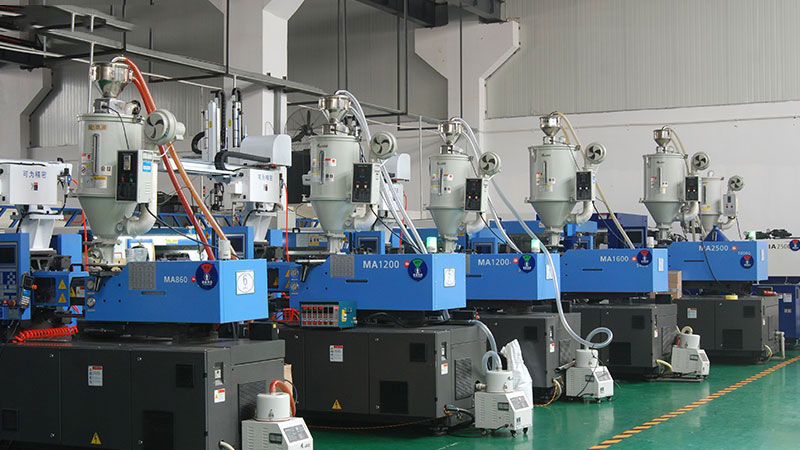
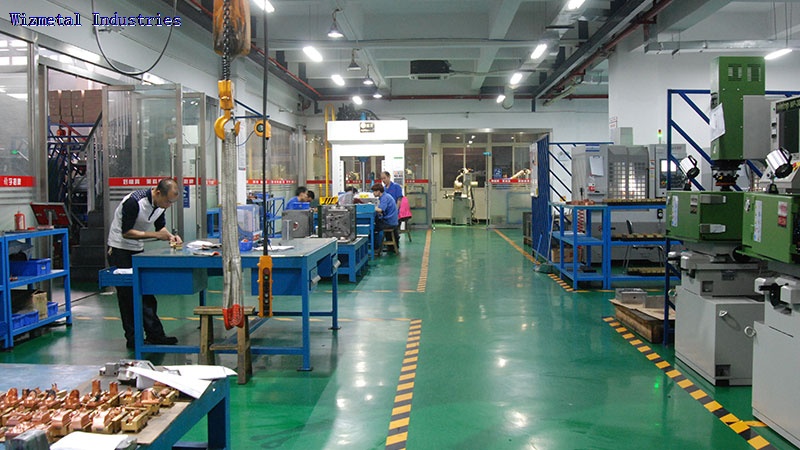
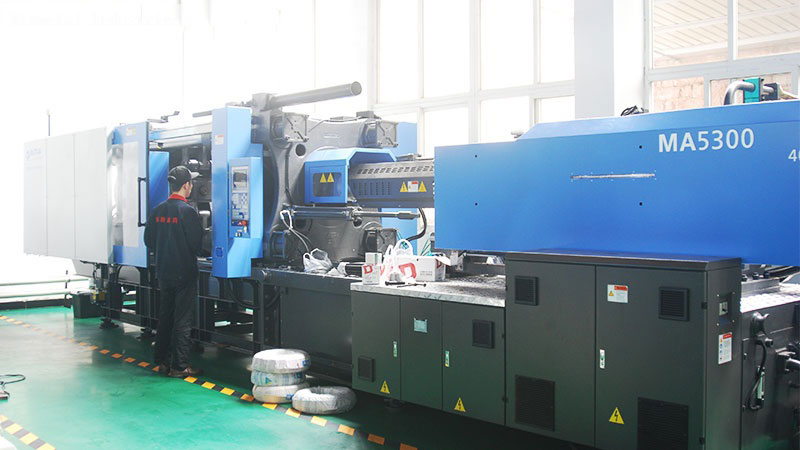
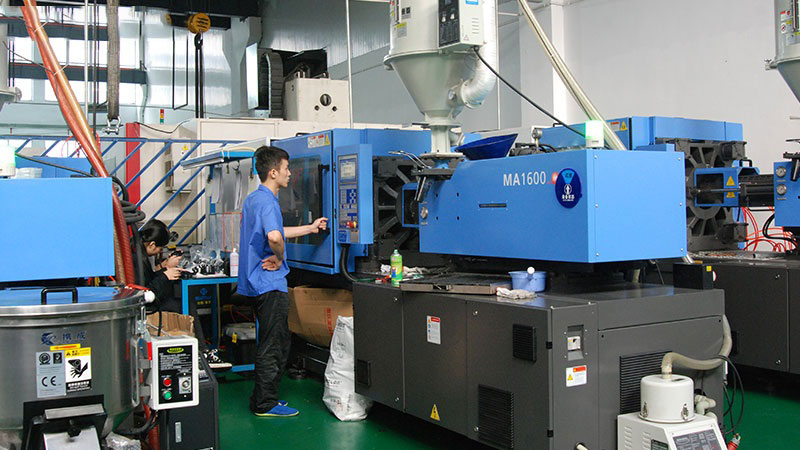
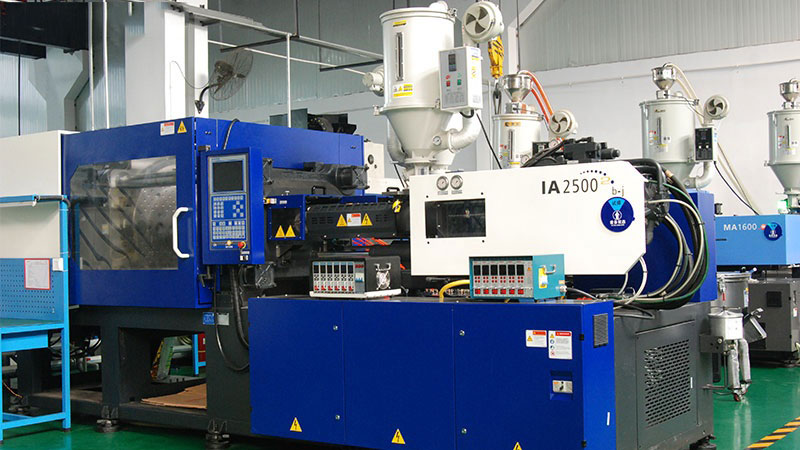
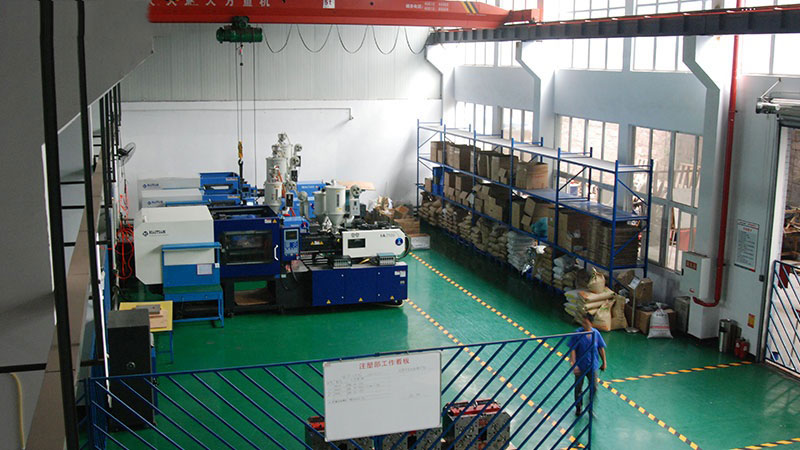
The foundation of a successful import project lies in meticulous supplier verification. Moving beyond a simple Alibaba listing or a polished website is crucial. Begin by demanding concrete evidence of capability. A reputable China mold factory should readily provide a detailed company profile, including years in operation, business licenses, and export history. Specifically, request a portfolio of past projects, particularly those for overseas clients in your industry. Look for certifications such as ISO 9001, which indicates a baseline commitment to a quality management system. The next critical step is a virtual or, ideally, in-person facility audit. Use video calls to tour the production floor. Observe the machinery—are they using modern CNC, EDM, and high-speed milling equipment? Assess the workshop organization and cleanliness; these are strong indicators of professional discipline and final output quality.
Once a potential partner is shortlisted, mastering the technical and commercial discussion is key. The term “injection mold” encompasses a vast range of complexities. Your ability to provide a highly detailed and unambiguous Request for Quotation (RFQ) will directly influence the accuracy of quotes and the final mold quality. Include comprehensive 3D product drawings (STEP or IGS format), material specifications, expected annual volumes, and cosmetic requirements (e.g., texture, polish). Clearly state all critical dimensions and tolerances. During negotiations, be wary of quotes that seem abnormally low. This often signals the use of inferior steel, outdated machining methods, or hidden costs. A professional plastic mold factory will break down costs transparently—mold base steel, core/cavity material, number of cavities, hot runner system, and labor. Discuss payment terms strategically; a standard 50% deposit and 50% before shipment is common, but for larger projects, consider milestones tied to design approval, first trial, and final acceptance.
The most critical phase of your engagement is proactive quality control, which must be integrated from design to delivery. Do not assume quality; build verification into the contract. Insist on a formal Design for Manufacturability (DFM) report before any steel is cut. This document allows your team to review the mold flow analysis, gate locations, cooling channel design, and ejection plan, preventing fundamental flaws. The First Article Inspection (FAI) is your non-negotiable checkpoint. Require a sample batch from the initial trial (T1) to be shipped to you or a third-party QC agency in China for rigorous dimensional and functional testing. This step allows for adjustments before mass production. For high-value orders, engaging a local third-party inspection service for pre-shipment audits is a wise investment. They can verify the final mold’s hardness, dimensions, and performance, providing an unbiased report before the balance payment is released.
Finally, a successful long-term partnership hinges on managing logistics and fostering clear communication. Ensure you understand the Incoterms. For mold procurement, EXW or FOB are typical, but clarify who handles domestic Chinese freight, port fees, and export declarations. Professional mold suppliers will have experience in crating molds securely for ocean freight. Establish a single point of contact on both sides who is technically fluent. Use shared project management tools or regular scheduled updates (weekly/bi-weekly) with documented reports, including photos and videos of progress. Discuss post-sales support upfront: what is the warranty period for workmanship and materials? What are the terms for mold repair or modification? A reliable partner will stand behind their product and offer clear support protocols.
In conclusion, importing molds from China in 2026 requires a blend of diligent research, technical clarity, and embedded quality assurance. The journey from sourcing to receiving a production-ready tool is paved with details that demand attention. By rigorously verifying your China mold factory, defining specifications with precision, implementing staged quality control checks, and establishing transparent communication channels, you significantly de-risk the procurement process. This strategic approach not only secures a high-quality injection mold but also builds a valuable manufacturing partnership that can support your product development and production goals for years to come. The goal is to move beyond being just a buyer to becoming an informed partner, ensuring your investment delivers the reliability and performance your business requires.
Work With Us
As a professional China mold manufacturer, we provide one-stop mold solution for overseas buyers.
📞 Phone: +86-18605944639
💬 WhatsApp: +8618605944639
🌐 Website: bestmoldworks.com
📧 Email: [email protected]