Category: Custom molds for resin

  • custom molded parts: Reliable Manufacturers Guide 2026

    For overseas buyers and product developers, sourcing custom molded parts represents a critical path to innovation and market competitiveness. China remains the global epicenter for mold manufacturing and injection molding, offering unparalleled expertise, scalability, and cost efficiency. However, the journey from concept to consistent, high-quality parts is fraught with challenges, from identifying capable partners to ensuring rigorous quality control across continents. This guide for 2026 cuts through the noise to provide a professional, actionable framework for procurement success, helping you build a resilient and reliable supply chain for your custom molded parts.

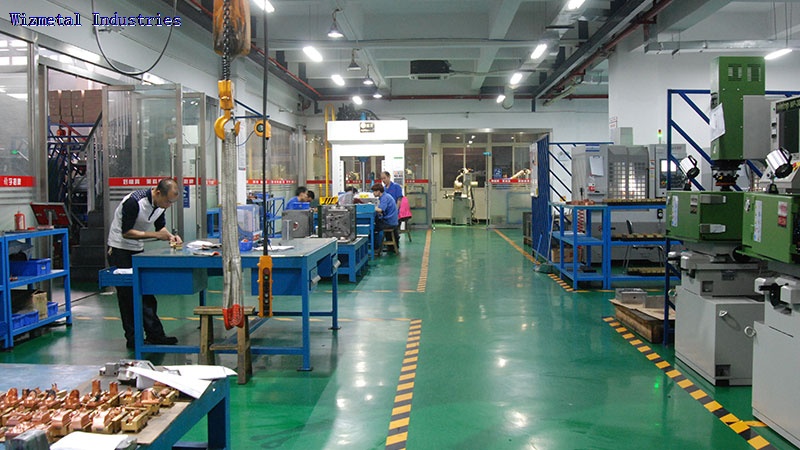
    The cornerstone of a successful project is selecting the right China mold factory. The landscape has evolved, with leading manufacturers now specializing in specific industries such as automotive, medical, or consumer electronics. Begin your supplier verification with a deep dive into their portfolio. Request detailed case studies of projects similar in complexity, material, and volume to yours. In 2026, a factory’s digital footprint is telling; utilize video conferencing for virtual facility tours, paying close attention to their mold maintenance area and the generation of their injection molding machines. True capability is demonstrated not just by showcasing finished parts, but by explaining the engineering decisions behind them. Prioritize partners who ask probing questions about your application, tolerances, and end-use environment early in the dialogue, as this indicates a proactive engineering mindset rather than a purely transactional approach.

    Once a potential partner is identified, a structured technical communication and prototyping phase is non-negotiable. The most effective collaborations treat the mold design as a co-created asset. Insist on a formal Design for Manufacturability (DFM) analysis before any steel is cut. A competent supplier will provide annotated 3D models and 2D drawings highlighting potential issues like wall thickness variations, sink marks, or ejection challenges. For your custom molded parts, this stage should also include material selection guidance, considering not only performance but also supply chain stability and regulatory compliance. Follow this with a stepped prototyping approach, often starting with 3D-printed prototypes for form and fit, then moving to a first-shot sample from the actual production mold. This methodical process mitigates risk and aligns expectations, ensuring the final injection mold is built for optimal performance and longevity.

    Robust quality control systems are the defining factor between a good supplier and a reliable long-term partner. In 2026, expectations extend beyond final inspection. You must inquire about in-process quality measures. Does the factory use Statistical Process Control (SPC) to monitor critical dimensions during production runs? Are their measurement tools (CMMs, optical scanners) regularly calibrated? Establish a clear Quality Inspection Agreement (QIA) upfront, detailing all critical-to-quality dimensions, testing methods (e.g., tensile strength, flammability), and acceptable quality limits (AQL) for sampling. For initial production runs, consider engaging a trusted third-party quality inspection service within China to conduct pre-shipment inspections. This provides an objective audit of the shipment and validates the factory’s own QC reports. Remember, quality control is not an added cost but an integral part of procurement that safeguards your brand reputation and reduces total cost of ownership by preventing defective goods from reaching your market.

    The commercial and logistical framework is where many projects encounter friction. Transparency in costing is paramount. A professional quotation for an injection mold should be itemized, separating mold cost, sample cost, and per-part price at defined volume tiers. Understand the payment terms; a common and balanced structure might be 30-40% deposit to commence mold manufacturing, 30-40% upon first sample approval, and the balance before shipment. For the molded parts themselves, negotiate Incoterms 2020 that clearly define responsibilities, typically FOB or EXW. Crucially, discuss and document post-sales support. What is the warranty period for the mold? What are the costs and lead times for mold modifications or repairs? Having these agreements in a formal, signed contract protects both parties and ensures a clear roadmap for the entire product lifecycle.

    Building a successful partnership for your custom molded parts extends beyond the first order. The most savvy buyers in 2026 view their Chinese manufacturers as strategic extensions of their own operations. Foster this through regular communication, providing forecast updates, and offering constructive feedback. Plan periodic site visits to strengthen the relationship and observe operational improvements firsthand. As trust builds, explore collaborative opportunities for value engineering to reduce part cost without compromising function. This long-term perspective incentivizes your supplier to invest in your success, leading to better priority treatment, continuous improvement suggestions, and a more agile response to your evolving needs. In a dynamic global market, this strategic alliance is your ultimate competitive advantage.

    Sourcing custom molded parts from China in 2026 demands a blend of diligent vetting, engineering collaboration, and strategic partnership management. By methodically executing supplier verification, championing a thorough prototyping process, implementing ironclad quality control protocols, and establishing clear commercial terms, you transform the inherent complexities of overseas procurement into a reliable, streamlined pipeline. The goal is to move beyond finding a mere vendor to cultivating a certified and capable manufacturing partner. This disciplined approach not only secures the quality and consistency of your injection molded components today but also builds a resilient supply chain foundation for the innovations of tomorrow.

    Work With Us

    As a professional China mold manufacturer, we provide one-stop mold solution for overseas buyers.
    📞 Phone: +86-18605944639
    💬 WhatsApp: +8618605944639
    🌐 Website: bestmoldworks.com
    📧 Email: [email protected]
  • mold tooling: Ultimate Guide for Buyers 2026 | China Mold Factory

    For overseas businesses, from ambitious startups to established manufacturers, sourcing mold tooling from China represents a significant strategic advantage. The potential for cost savings, access to extensive manufacturing expertise, and rapid scalability is compelling. However, the journey from concept to a perfect injection mold arriving at your dock is fraught with complexities. Missteps in supplier selection, communication, or quality control can quickly erase any upfront cost benefits. This guide is designed to cut through the noise, providing you with a professional, actionable framework for successfully navigating the procurement of precision molds from China in 2026 and beyond.

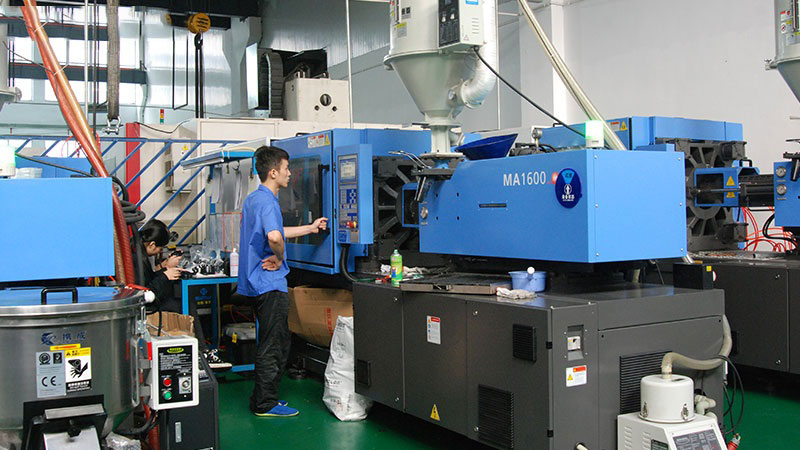
    The foundation of a successful import project lies in meticulous supplier verification. Not all China mold factories are created equal, and the lowest quote is often the most expensive choice in the long run. Begin your search with a focus on specialization. A factory claiming to make “everything” may master nothing. Seek out suppliers with proven experience in your specific industry, whether it’s automotive components, medical devices, consumer electronics, or packaging. Utilize B2B platforms but go beyond them; scrutinize the factory’s own website for technical blogs, case studies, and detailed process explanations. The crucial step is due diligence: request a business license, insist on a video tour of their facility to see their CNC, EDM, and quality control equipment in operation, and ask for at least three references from past overseas clients. Contact these references directly to inquire about communication, problem-solving, and post-sales support. This phase is not about finding a vendor, but identifying a competent manufacturing partner.

    Once you have shortlisted potential partners, mastering the technical and commercial discussion is critical. A precise Request for Quotation (RFQ) package separates professional buyers from casual inquiries. This package must include comprehensive 3D CAD files (STEP or IGS format), detailed 2D drawings with critical dimensions, tolerances, and surface finish requirements clearly called out, and specifications for the mold material (e.g., pre-hardened steel, stainless steel, aluminum). You must also specify the intended production plastic, expected annual volumes, and the molding machine parameters if known. When the quotes arrive, analyze them line by line. Ensure you understand what is included: Is hot runner temperature control included? How many cavities? What is the mold base standard (LKM, DME, HASCO)? What are the payment terms? A 30/70 payment split is common, but never pay 100% upfront. Clarify ownership of the mold design and intellectual property in the contract. This detailed approach ensures all bidders are quoting on the exact same scope, preventing costly change orders later.

    Proactive quality control, integrated from the very start of the mold tooling process, is non-negotiable. Do not wait until the mold is finished to think about inspection. Agree on a Quality Control Plan before work begins. This plan should mandate digital photo updates at key milestones: after material procurement (with material certificates), after rough machining, and after heat treatment. The most critical checkpoint is the First Article Inspection (FAI) after the mold trial. Your agreement should stipulate that the supplier must produce sample parts using the correct material on their own injection molding machines. These samples, along with a fully dimensioned inspection report (CMM data if applicable), should be sent to you for approval before shipment. For high-value or high-volume projects, consider hiring a local third-party quality inspection company to conduct an on-site Pre-Shipment Inspection (PSI). They can verify the mold’s dimensions, functionality, and the quality of the trial samples against your drawings. This objective layer of verification mitigates risk and provides peace of mind.

    Navigating logistics, communication, and long-term partnership is the final, ongoing phase. Understand the Incoterms in your contract—EXW, FOB, or CIF—as they define responsibilities and costs for shipping and insurance. For EXW (Ex-Works), you will need a reliable freight forwarder to handle everything from the factory door. Clear communication is paramount. Establish a single point of contact on both sides who is technically proficient. Use tools like marked-up PDFs, video calls during trials, and shared project management platforms to overcome language barriers and time zone differences. View this not as a one-off transaction but as the beginning of a relationship. A reliable China mold factory becomes an extension of your R&D and production team. They can provide valuable Design for Manufacturability (DFM) feedback to optimize your part and mold for cost and performance, and they are your go-to partner for future mold maintenance, repairs, or modifications as your product evolves.

    Successfully importing mold tooling from China in 2026 demands a shift from a purely cost-centric mindset to a partnership and process-centric approach. The landscape is mature, and the winners are those who execute procurement with discipline. By rigorously verifying your China mold factory, defining the project with impeccable clarity, implementing staggered quality control checkpoints, and managing the relationship professionally, you unlock the true value of offshore manufacturing. The goal is to secure not just a mold, but a reliable, high-quality production asset that delivers consistent parts and a strong return on investment for years to come. Your competitive edge lies in leveraging China’s manufacturing prowess through knowledge, preparation, and strategic collaboration.

    Work With Us

    As a professional China mold manufacturer, we provide one-stop mold solution for overseas buyers.
    📞 Phone: +86-18605944639
    💬 WhatsApp: +8618605944639
    🌐 Website: bestmoldworks.com
    📧 Email: [email protected]
  • custom plastic injection molded parts: Ultimate Guide f 2026

    For businesses worldwide, sourcing custom plastic injection molded parts represents a critical step in product development and manufacturing. The ability to transform a design into a high-volume, precision-crafted component is a cornerstone of modern industry. For decades, China has stood as the global epicenter for mold manufacturing and injection molding services, offering an unparalleled combination of technical expertise, advanced capabilities, and cost efficiency. However, for overseas buyers, navigating this complex landscape to secure reliable, high-quality results can be daunting. This ultimate guide for 2026 is designed to cut through the noise, providing a professional, actionable roadmap for successfully importing molds and parts from China, focusing on solving real procurement challenges.

    The foundation of any successful project lies in meticulous preparation before you even contact a potential China mold factory. The single most impactful action you can take is to invest in a complete, manufacturable design package. This goes beyond a conceptual CAD model. You must provide detailed 3D drawings (STEP or IGS files are standard), fully dimensioned 2D technical drawings with critical tolerances clearly called out, and a comprehensive specification document. This document should state the intended plastic material (e.g., ABS, Polypropylene, Nylon), required certifications (like FDA, UL94), color standards (Pantone codes), and expected annual volumes. A vague request leads to misinterpretation, costly revisions, and project delays. Precise documentation aligns expectations, allows for accurate quoting, and demonstrates your professionalism, which in turn attracts serious suppliers.

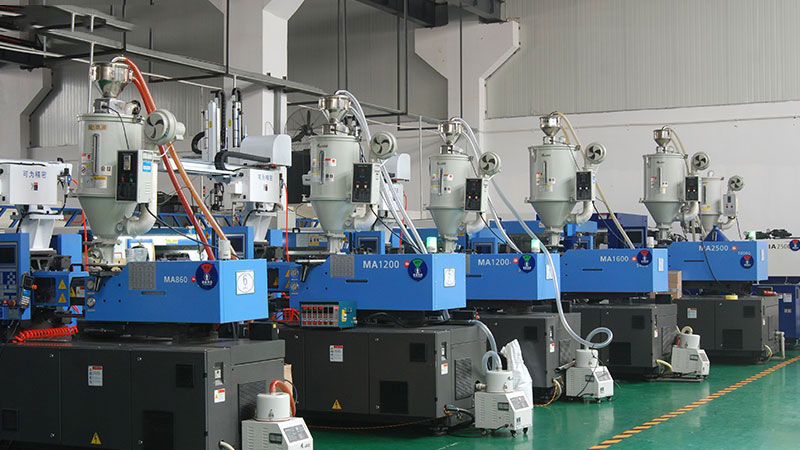
    With your design package ready, the critical phase of supplier verification begins. The digital age offers both convenience and risk; finding a manufacturer is easy, but finding a credible one requires diligent vetting. Start by leveraging B2B platforms like Alibaba or Made-in-China, but use them as directories, not validation tools. Scrutinize company profiles for business licenses, years in operation, and listed equipment. The true verification, however, happens through direct engagement and due diligence. Always request a video conference and a live virtual tour of the facility. A reputable injection mold maker will readily show you their CNC machining centers, EDM machines, mold trial workshops, and injection molding floors. Ask to see past project samples similar to your part in complexity. Furthermore, insist on conducting a background check via a third-party inspection service for critical suppliers. This step, though an upfront cost, mitigates immense financial and operational risk.

    Upon selecting a partner, the focus shifts to the technical and commercial negotiation, centered on the injection mold itself. The mold is your lasting asset, and its construction dictates part quality, production speed, and long-term maintenance costs. Understand and agree upon key mold specifications: the steel grade (such as pre-hardened 718 or hardened S136 for corrosion resistance), mold life expectancy (e.g., 500,000 or 1 million shots), cooling channel design, and the gating and ejection systems. A detailed mold design review stage is non-negotiable. A professional China mold factory will provide 3D mold flow analysis reports to predict filling, cooling, and potential defects like warpage or sink marks. This scientific approach prevents costly mold reworks. Regarding commercial terms, adopt a phased payment structure—typically 30-50% deposit to commence mold manufacturing, 40-60% balance after successful sample approval, and clear terms for mold ownership and storage.

    The ultimate validation of your investment is the first article inspection and the establishment of robust quality control protocols. Never approve mass production based on digital photos alone. You must receive and physically inspect pre-production samples from the initial mold trial (T1 samples). Measure critical dimensions with calibrated tools, test assembly with other components, and verify material properties. This is the time to request any final minor adjustments. For ongoing production, define a clear Quality Control plan with your supplier. This should include which dimensions will be measured on a First Article Inspection Report (FAIR), the use of Statistical Process Control charts for critical parameters during runs, and the frequency of random inspections. For high-stakes projects, hiring a local third-party quality control agency to conduct pre-shipment inspections is a highly recommended best practice. This independent verification provides an objective assessment of the entire order before it leaves the factory, safeguarding against non-conformities.

    Mastering the logistics, communication, and intellectual property aspects finalizes a professional procurement strategy. Use Incoterms 2020 precisely—common terms like FOB Shenzhen or EXW clearly define where your responsibility and risk begin. Ensure you understand all logistics costs, including duties and tariffs in your destination country. Cultivate clear, documented communication. Use shared spreadsheets for part revisions, mark up PDF drawings for feedback, and confirm all changes in writing. Regarding intellectual property, a well-drafted Non-Disclosure Agreement and Product Development Agreement are essential. While enforcement across borders can be complex, these legal documents establish serious intent and provide a framework for recourse. For utmost security, consider splitting the mold manufacturing and final production between two different, non-affiliated factories.

    Successfully importing custom plastic injection molded parts from China in 2026 is a systematic process that rewards preparation, diligence, and clear partnership. It transcends merely finding the lowest quote and evolves into building a collaborative relationship with a technically capable China mold factory. By following this guide—from preparing flawless designs and conducting rigorous supplier verification to overseeing meticulous mold development and implementing stringent quality control—you transform a complex overseas procurement challenge into a streamlined, competitive advantage. The goal is to secure not just a cost-effective supplier, but a reliable extension of your engineering and manufacturing team, ensuring your product vision is realized with precision, consistency, and professionalism.

    Work With Us

    As a professional China mold manufacturer, we provide one-stop mold solution for overseas buyers.
    📞 Phone: +86-18605944639
    💬 WhatsApp: +8618605944639
    🌐 Website: bestmoldworks.com
    📧 Email: [email protected]
  • china plastic mold manufacturer: Professional Buying Gu 2026

    For overseas buyers, sourcing injection molds from China represents a significant opportunity for cost efficiency, advanced manufacturing capability, and scalability. However, navigating this complex landscape requires more than just finding a low quote. The journey from initial concept to receiving a high-quality, production-ready mold demands a strategic and informed approach. This 2026 professional buying guide is designed to equip you with actionable, real-world strategies to identify, vet, and partner with a reliable China plastic mold manufacturer, ensuring your procurement process is smooth, transparent, and successful.

    Mastering Supplier Verification and Qualification

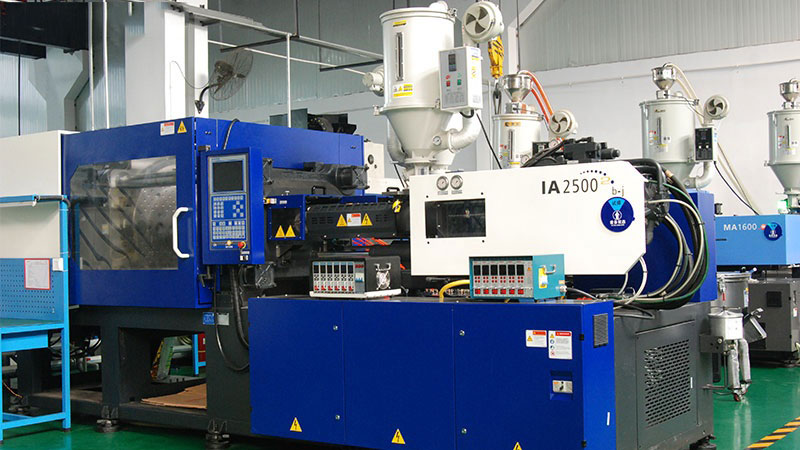
    The foundation of a successful import project is a thoroughly vetted supplier. Moving beyond Alibaba listings is crucial. Start by creating a long list of potential China mold factories using a mix of industry-specific B2B platforms, professional referrals, and targeted online searches. The verification phase must be multi-layered. First, confirm business legitimacy through official Chinese business registration checks. Second, request and scrutinize a comprehensive portfolio; a professional manufacturer will have clear case studies showcasing molds for parts similar to yours in complexity and industry. Third, insist on a live video tour of their facility. This 2026 standard practice allows you to audit their machinery, workshop organization, and engineering team in real-time, providing transparency no brochure can match. Pay close attention to the types of CNC, EDM, and mold polishing equipment they operate, as this directly correlates to their capability to meet your precision requirements.

    Strategic Communication and Technical Alignment

    Clear, unambiguous technical communication is your strongest tool against costly errors. Before requesting a formal quote, invest time in preparing a meticulous Request for Quotation package. This should include not only part drawings but also a comprehensive specification document covering material, annual volume, cavity requirements, surface finish, tolerance standards, and critical part functions. When discussing your project with a potential China plastic mold manufacturer, engage their engineering team directly. A competent factory will offer Design for Manufacturability feedback, suggesting potential improvements to part geometry or mold structure that enhance durability and reduce cost. Establish a single point of contact for technical and commercial matters to streamline communication. Furthermore, clarify all terms regarding intellectual property protection in a formal Non-Disclosure Agreement before sharing detailed designs.

    Implementing Proactive Quality Control Protocols

    Quality cannot be inspected into a mold; it must be built in through every stage. Your procurement strategy must integrate proactive quality control measures from the start. Define and agree upon a Stage Inspection plan with your supplier. Key milestones typically include material certification review, core and cavity inspection after machining, first article inspection after trial assembly, and final pre-shipment audit. For critical dimensions, insist on a Coordinate Measuring Machine report. Many reputable suppliers offer this as standard, but specifying it in your purchase contract is essential. For high-value or high-volume projects, consider engaging a local third-party quality inspection agency to conduct impartial audits at the factory. This provides an additional layer of oversight and ensures that the agreed-upon standards are met before the mold leaves the production floor. Remember, investing in process control is far more cost-effective than correcting a faulty mold after it arrives at your facility.

    Navigating Logistics, Payment, and After-Sales Support

    The final stages of procurement are where practical details determine overall satisfaction. Structure your payment terms to align with project milestones—a common and secure arrangement is 30-50% deposit, 40-60% before shipment, and sometimes a 10% retention after successful sample approval. This shares risk appropriately. For logistics, work with your chosen China mold factory to understand their standard packaging for export; robust, wooden crate packaging is typical for protecting high-precision tooling. Decide on Incoterms clearly, typically FOB or EXW, and engage a reliable freight forwarder experienced in handling industrial machinery. Crucially, do not overlook after-sales support. A professional supplier will provide a detailed mold maintenance manual, a list of spare parts, and clear terms for warranty. Discuss their policy on engineering changes and modifications; a responsive partner will support you through initial production ramp-up and any future part iterations.

    Conclusion

    Importing injection molds from China in 2026 is a process built on diligent preparation, clear communication, and strategic partnership. By rigorously applying supplier verification techniques, aligning technically with factory engineers, enforcing proactive quality control, and meticulously managing commercial terms, you transform a complex international procurement challenge into a competitive advantage. The goal is to move beyond a transactional supplier relationship to a collaborative partnership with a China plastic mold manufacturer who understands your quality standards and becomes a reliable extension of your production chain. With this professional guide as your framework, you are equipped to make informed decisions, mitigate risks, and secure the high-quality tooling necessary for your product’s success in the global market.

    Work With Us

    As a professional China mold manufacturer, we provide one-stop mold solution for overseas buyers.
    📞 Phone: +86-18605944639
    💬 WhatsApp: +8618605944639
    🌐 Website: bestmoldworks.com
    📧 Email: [email protected]
  • custom injection mould manufacturer: Complete Procurem 2026

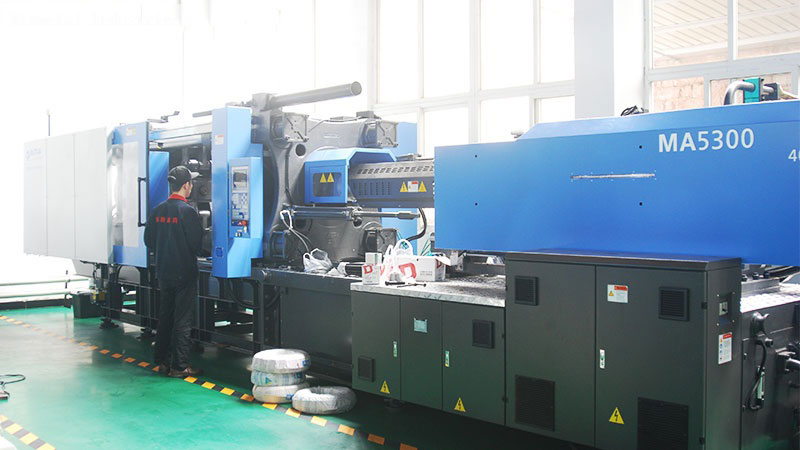
    For overseas buyers, sourcing a reliable custom injection mould manufacturer in China remains one of the most strategic decisions to achieve cost efficiency and market agility. However, the path from concept to mass production is fraught with complexities that can undermine your project’s timeline, budget, and final product quality. As we move into 2026, the landscape is evolving with smarter technology and higher expectations for transparency. This guide cuts through the noise to provide a professional, actionable framework for your procurement process, designed to solve real problems and forge successful partnerships with a top-tier China mold factory.

    The cornerstone of a successful import project is rigorous supplier verification. Moving beyond simple Alibaba listings is non-negotiable in 2026. Begin with a deep-dive into the manufacturer’s core competencies. Do they have a proven track record with parts similar to yours in material, size, and complexity? Request detailed case studies and, crucially, contact information for past international clients. A credible custom injection mould manufacturer will provide these references. Utilize video conferencing tools to conduct virtual factory tours; assess the organization of the shop floor, the maintenance level of machinery, and the presence of modern CNC, EDM, and CMM equipment. Verify business licenses and export credentials. This initial due diligence filters out intermediaries and identifies partners with the genuine capability to deliver your specific injection mold.

    Once a potential partner is identified, mastering the technical and commercial negotiation phase is critical. The quotation you receive should be transparent, breaking down costs for mold design, materials (such as pre-hardened steel, stainless steel, or aluminum), cavity numbers, surface treatments, and prototyping. Beware of suspiciously low bids—they often signal the use of inferior materials or hidden costs that surface later. Clearly define all intellectual property (IP) clauses in your agreement, ensuring your design and mold ownership are legally protected. Furthermore, establish a milestone-based payment schedule (e.g., 30% upon order, 40% after T1 sample approval, 30% before shipment). This aligns incentives and maintains cash flow control throughout the mold manufacturing process.

    Proactive quality control integrated throughout the manufacturing cycle is what separates successful procurements from costly failures. Do not wait for the final sample to inspect quality. Insist on a First Article Inspection (FAI) report and a Design for Manufacturability (DFM) review before steel is cut. During production, require photographic and video evidence of key stages: material certificates for the steel, finished mold cavity shots, and first-shot trial videos. For high-value or high-volume projects, engaging a local third-party quality inspection firm to conduct an Initial Production Check (IPC) at the China mold factory is a wise investment. They can verify dimensions, surface finish, and assembly against your CAD data and specifications, providing an unbiased report before the mold is shipped.

    The final stage—logistics, commissioning, and long-term partnership—is often overlooked. Discuss incoterms explicitly; FOB is common, but understand all responsibilities. Ensure the supplier provides a comprehensive mold manual, including 3D drawings, maintenance guidelines, and process parameters for the injection mold. Plan for a commissioning period at your facility; a reliable manufacturer will offer remote or on-site support during your first production runs to troubleshoot any issues. For long-term success, view your manufacturer as a strategic partner. Clear communication channels, periodic performance reviews, and discussions about future projects or mold maintenance can transform a single transaction into a valuable asset for your supply chain resilience in 2026 and beyond.

    In conclusion, importing injection molds from China in 2026 demands a structured, vigilant, and collaborative approach. The journey from identifying a custom injection mould manufacturer to achieving consistent production hinges on systematic supplier verification, transparent commercial agreements, embedded quality control protocols, and strategic logistics planning. By implementing these actionable steps, overseas buyers can significantly mitigate risk, ensure product integrity, and unlock the substantial competitive advantages that a proficient China mold factory offers. The goal is not merely to purchase a tool, but to secure a foundation for manufacturing excellence and market success for years to come.

    Work With Us

    As a professional China mold manufacturer, we provide one-stop mold solution for overseas buyers.
    📞 Phone: +86-18605944639
    💬 WhatsApp: +8618605944639
    🌐 Website: bestmoldworks.com
    📧 Email: [email protected]
  • how to find china manufacturers: Expert Tips & Soluti 2026

    For overseas buyers, the decision to import molds from China represents a significant strategic advantage, offering access to advanced manufacturing capabilities and cost efficiencies. However, the core challenge remains: navigating a vast and complex industrial landscape to identify a truly reliable partner. A successful procurement journey hinges on effective supplier discovery and verification. This guide provides a structured, professional approach to solving the real problems you face in 2026, moving beyond simple directories to strategic partnership building.

    The foundation of a successful search lies in moving beyond basic search engines. While platforms like Alibaba and Made-in-China.com are common starting points, they are merely gateways. The key is to use them strategically. Begin with precise keyword combinations that reflect your technical needs, such as “precision injection mold maker” or “automotive mold China factory.” Filter results meticulously by assessing supplier transaction history, response rates, and, crucially, verification badges. However, treat these platforms as a preliminary list generator. The real work begins with deeper due diligence. Simultaneously, leverage industry-specific B2B platforms and attend major international trade fairs like Chinaplas or the Canton Fair, which offer invaluable opportunities for face-to-face evaluation of a China mold factory’s expertise and technological capacity.

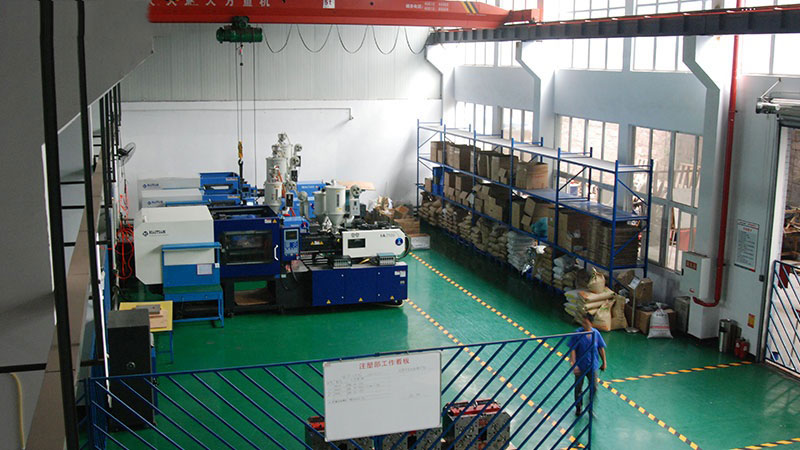
    Once a potential list is compiled, rigorous supplier verification becomes non-negotiable. This step separates hopeful prospects from viable partners. Start by verifying the company’s legal business license via official Chinese channels. Demand a virtual or, ideally, an in-person factory audit. Reputable manufacturers will readily provide video tours showcasing their workshop, machinery (look for specific injection mold and CNC equipment), quality control stations, and overall operational professionalism. Request detailed case studies and contact references from their existing international clients. Ask pointed questions about the manufacturer’s communication, problem-solving during tooling trials, and adherence to delivery schedules. This phase is about confirming their claimed capabilities and establishing a baseline of trust before any technical discussion.

    Technical clarity is the single most important factor in preventing costly misunderstandings and ensuring the final product meets specifications. Your request for quotation (RFQ) package must be exceptionally detailed. It should include comprehensive 3D drawings (STEP, IGES) and 2D technical drawings with all critical tolerances, surface finish requirements (SPI standards), and material specifications clearly called out. For injection molds, detail the expected annual production volume, resin type, and any special requirements like conformal cooling or specific hot runner system preferences. The more precise your documentation, the more accurate and comparable the quotations you receive will be. A professional China mold factory will engage deeply with your technical pack, asking insightful questions to clarify intent, which is a strong positive indicator of their expertise and thorough approach.

    Procurement from China is not merely about selecting the lowest bid. A holistic evaluation balances cost, quality, and service. When comparing quotes, analyze the breakdown: material grade (pre-hardened steel vs. standard P20), number of cavity, mold life expectancy, and payment terms. Be wary of quotes that are significantly lower than the market average, as this often signals compromises in material quality, engineering time, or post-sales support. Discuss and agree upon a staged payment plan (e.g., 30% deposit, 40% after T1 sample approval, 30% before shipment) that protects both parties. Furthermore, explicitly define the project timeline, including key milestones for design review, mold fabrication, and sample approval. Integrating a clear quality control protocol from the outset is essential. Specify your requirements for First Article Inspection (FAI), Coordinate Measuring Machine (CMM) reports, and sample approval processes before mass production commences.

    Effective quality control is an active, ongoing process, not a final inspection. For mold procurement, this means implementing checks at critical stages. Insist on regular progress photos and videos during the machining, heat treatment, and assembly phases. The most critical point is the Trial Run (T1) sample. Either plan to be present at the factory for this trial or use a trusted third-party inspection service to witness the process, evaluate the sample parts against your specifications, and review the mold itself. A comprehensive inspection report should cover part dimensions, appearance, and mold functionality. This proactive approach allows for corrections while the tool is still with the manufacturer, avoiding expensive rework after shipment. Establishing this level of oversight is fundamental to ensuring the long-term performance and durability of your injection mold.

    Mastering the process of how to find China manufacturers in 2026 requires a blend of modern digital tools and timeless principles of thorough vetting and clear communication. By strategically sourcing potential partners, conducting uncompromising verification, providing crystal-clear technical data, evaluating proposals holistically, and enforcing rigorous quality control, you transform a daunting procurement challenge into a streamlined strategic advantage. The goal is to move beyond a transactional supplier relationship to build a collaborative partnership with a China mold factory that understands your standards and contributes to your product’s success for years to come.

    Work With Us

    As a professional China mold manufacturer, we provide one-stop mold solution for overseas buyers.
    📞 Phone: +86-18605944639
    💬 WhatsApp: +8618605944639
    🌐 Website: bestmoldworks.com
    📧 Email: [email protected]

  • custom mold: Best Suppliers & Quality Control 2026

    For overseas buyers, importing a custom mold from China represents a significant opportunity to achieve substantial cost savings and access world-class manufacturing capabilities. However, the path from concept to a perfect, production-ready tool is fraught with potential pitfalls. The core challenge is not simply finding a China mold factory, but systematically identifying the right partner and implementing a robust quality control framework to protect your investment. This guide for 2026 cuts through the noise, offering a professional, actionable roadmap to navigate the procurement process successfully, ensuring your custom mold project delivers on its promise of quality, precision, and value.

    The foundation of a successful import project is rigorous supplier verification. In 2026, moving beyond Alibaba listings is non-negotiable. Start by defining your project’s exact specifications: material, cavitation, lifetime expectations, and tolerance requirements. Use this to filter potential partners. Seek out suppliers with demonstrable expertise in your specific industry, whether automotive, medical, consumer electronics, or packaging. A professional audit should include verifying business licenses, requesting detailed company profiles, and scrutinizing their portfolio for projects of similar complexity. Crucially, insist on a video conference to tour their facility virtually. Observe their machinery—are they using high-precision CNC, EDM, and mold-testing presses? Assess the shop floor organization; a clean, orderly environment often correlates with disciplined craftsmanship. This due diligence phase is your first and most critical quality control checkpoint.

    Once a shortlist is established, the procurement process must be anchored by a crystal-clear, technical contract. The quotation for your custom mold should be dissected. Be wary of prices that seem too good to be true; they often come at the expense of material quality or critical post-processing. Ensure the quote itemizes all costs: mold base steel grade (e.g., P20, H13, S136), core and cavity material, hot runner system brand, and all surface treatments. Clearly define the project timeline with milestone payments tied to deliverables, not just dates. The contract must specify all technical standards (e.g., DME, HASCO, or your own drawings), approval procedures for design reviews (DFM reports are essential), and the protocol for handling deviations. A comprehensive contract aligns expectations and provides a legal framework for resolution, transforming your procurement from a simple purchase into a managed partnership.

    Proactive quality control is not an inspection; it is a process integrated from design to delivery. The most effective strategy employs a multi-stage inspection protocol. First, mandate a Design for Manufacturability (DFM) analysis before any steel is cut. A competent China mold factory will provide this, highlighting potential issues in part design that could affect mold function or part quality. Second, establish critical inspection points: after machining of the core and cavity (using CMM reports), after mold assembly, and most importantly, during the Trial Run Sample (TMR) stage. The TMR is where the injection mold proves itself. You should receive sample parts, a full mold trial report with process parameters, and high-resolution photos/videos of the samples and the mold itself. For high-value tools, consider engaging a local third-party quality inspection service to conduct an on-site audit at these key stages. Their unbiased report on dimensions, surface finish, and functionality is invaluable.

    The final hurdle is navigating logistics and safeguarding intellectual property. For logistics, discuss Incoterms explicitly—FOB is common, but understand all responsibilities. Ensure the supplier has experience in proper mold packaging (weatherproof, shock-absorbent crating) and can handle export documentation. Regarding IP protection, while absolute guarantees are complex, you can mitigate risk. Sign a Non-Disclosure Agreement (NDA) before sharing any designs. Consider splitting the mold manufacturing between two factories for core and cavity if the design is highly sensitive. During the procurement process, work with suppliers who are willing to sign contracts affirming that the custom mold design and tooling are your sole property. A reputable factory values long-term partnership over short-term replication.

    In conclusion, importing a high-quality custom mold from China in 2026 is a highly strategic endeavor that rewards diligence and systematic planning. The journey from supplier verification to final shipment hinges on treating your mold supplier as a technical partner, not just a vendor. By investing time in thorough factory vetting, enforcing a detailed contractual framework, implementing staged quality control checks, and clearly managing logistics and IP, you dramatically de-risk the process. The goal is to secure not just a tool, but a reliable production asset that delivers consistent performance. By following this professional approach, overseas buyers can confidently leverage China’s manufacturing excellence, turning the complexity of international procurement into a definitive competitive advantage for their business.

    Work With Us

    As a professional China mold manufacturer, we provide one-stop mold solution for overseas buyers.
    📞 Phone: +86-18605944639
    💬 WhatsApp: +8618605944639
    🌐 Website: bestmoldworks.com
    📧 Email: [email protected]

  • custom molded parts: Expert Tips & Solutions 2026 | China Mold Factory

    For overseas buyers, sourcing custom molded parts from China represents a significant strategic advantage, offering unparalleled cost efficiency and manufacturing scalability. However, the path to a successful partnership with a China mold factory is often paved with complexities, from supplier verification to consistent quality control. This guide provides actionable, expert insights for 2026, designed to help you navigate the procurement process confidently and secure high-quality injection molds and the parts they produce.

    The cornerstone of a successful import project is a rigorous supplier verification process. Moving beyond a simple website check or Alibaba storefront is non-negotiable. Begin by verifying the factory’s business license and export history. Request a virtual or, ideally, an in-person facility tour to assess their machinery, workshop organization, and engineering team’s capability. Crucially, ask for and contact references from their existing overseas clients, specifically those in your industry or with similar part complexities. A professional China mold factory will be transparent and proactive in providing this information. This due diligence filters out trading companies masquerading as manufacturers and identifies partners with genuine expertise in producing the specific custom molded parts you require.

    Once a potential partner is identified, mastering the technical communication phase is critical. The development of an injection mold is a collaborative engineering effort. Provide not just a 3D model, but a comprehensive technical data package including material specifications, critical dimensions and tolerances (GD&T), surface finish requirements, and expected annual volumes. Discuss mold flow analysis (MFA) upfront; a competent factory will use MFA to predict and prevent defects like warping or sink marks, optimizing the mold design before steel is ever cut. Clearly define the prototyping and sampling process—how many pre-production samples you will receive, the format for inspection reports (often a Dimensional Report or First Article Inspection), and the procedure for approving design changes. This clarity prevents costly misunderstandings and ensures the mold is built to your exact specifications from the outset.

    A structured quality control protocol, implemented from the very first sample, is your primary risk mitigation tool. Do not wait until mass production to inspect quality. Insist on a First Article Inspection (FAI) on samples from the initial mold trial (T1). Define your Acceptable Quality Level (AQL) for production batches and specify which inspection standards (e.g., ISO, ANSI) will be used. For critical custom molded parts, consider engaging a third-party quality inspection firm within China to conduct pre-shipment inspections. This provides an unbiased assessment of the shipment’s conformity. Furthermore, discuss the factory’s internal quality processes: do they use Coordinate Measuring Machines (CMM) for precision checks? How is tooling maintenance managed? A reliable partner views your QC requirements not as an obstacle but as a framework for a successful long-term relationship.

    Understanding the total cost of ownership, beyond the initial unit price, is essential for accurate procurement planning. The quotation for your project should be broken down transparently. Key components typically include the mold cost (a one-time NRE – Non-Recurring Engineering fee), the piece-part price based on material and cycle time, and any secondary operations (assembly, ultrasonic welding, painting). For the mold itself, clarify the steel grade (e.g., P20, H13, stainless steel), cavity life expectancy, and warranty terms. Discuss payment terms that balance risk; a common and fair structure is 30-40% deposit to commence mold manufacturing, 30-40% upon sample approval, and the balance before shipment. Be wary of prices that seem too good to be true, as they often indicate compromises in material quality, engineering rigor, or tool longevity that will cost you more in the long run.

    Finally, view your partnership with a Chinese mold supplier as a strategic alliance. Foster clear, consistent communication by appointing a single point of contact on both sides. Utilize collaborative tools for sharing drawings and updates. Plan for the entire product lifecycle by discussing mold storage and maintenance fees after production runs are completed, ensuring your tooling is preserved for future orders. Building this relationship on transparency and mutual respect transforms a transactional purchase into a valuable extension of your supply chain, providing you with a competitive edge in bringing high-quality, cost-effective custom molded parts to your market.

    In conclusion, successfully importing custom molded parts from China in 2026 demands a methodical approach centered on verification, communication, and control. By meticulously vetting your China mold factory, investing in precise technical dialogue, enforcing robust quality control measures, analyzing true costs, and cultivating a partnership mindset, you transform the inherent challenges of overseas procurement into a reliable competitive advantage. The goal is not merely to buy a mold, but to establish a dependable manufacturing pipeline that delivers precision, value, and consistency for years to come.

    Work With Us

    As a professional China mold manufacturer, we provide one-stop mold solution for overseas buyers.
    📞 Phone: +86-18605944639
    💬 WhatsApp: +8618605944639
    🌐 Website: bestmoldworks.com
    📧 Email: [email protected]

  • plastic moulding factory: Complete Procurement Guide 2026

    For overseas buyers, the decision to import molds from China represents a significant strategic advantage, offering unparalleled cost efficiency and manufacturing scale. However, navigating the vast landscape of Chinese manufacturing can be daunting. This guide is designed to cut through the complexity, providing a clear, actionable roadmap for 2026. We will move beyond simple directory listings to focus on practical strategies for identifying, vetting, and partnering with a reliable plastic moulding factory to ensure your project’s success from concept to production.

    Mastering Supplier Discovery and Verification

    The initial search phase is critical. Begin by moving beyond generic B2B platforms. While they are useful for creating a longlist, prioritize industry-specific trade shows, both virtual and physical, and leverage professional networks on platforms like LinkedIn. When you identify a potential China mold factory, verification is non-negotiable. Start with a deep dive into their digital footprint: a professional website with detailed case studies, active technical blogs, and client testimonials carry weight. Verify their business license via official Chinese channels and check for relevant international quality certifications like ISO 9001. However, the most crucial step in 2026 remains a virtual or in-person factory audit. Request a live video tour to inspect shop floor organization, machinery brands (e.g., Haitian, Engel, or Arburg injection molding machines), and their in-house tool room. This firsthand view separates marketing claims from operational reality.

    The Technical and Commercial Dialogue

    Once a supplier passes initial verification, engage in a detailed technical dialogue. A competent partner will ask probing questions about your product’s end-use, material selection (e.g., ABS, PP, PC), expected annual volumes, and cosmetic requirements. Provide a comprehensive package including 3D drawings (STEP or IGS format), 2D technical drawings with critical dimensions and tolerances clearly marked, and a sample or prototype if available. The commercial discussion must then be transparent. Understand their pricing breakdown: mold steel type (pre-hardened vs. hardened), cavity count, expected mold life, and payment terms (typically 30-50% deposit, balance before shipment). Crucially, clarify ownership of the mold design and tooling. A trustworthy plastic moulding factory will have no issue assigning full intellectual property rights to you, the buyer, upon final payment.

    Implementing Proactive Quality Control Protocols

    Quality control cannot be an afterthought; it must be integrated into the procurement contract. Define and agree upon measurable Quality Control checkpoints at critical stages: First Article Inspection (FAI) after initial sample shots, Dimensional Reports using CMM (Coordinate Measuring Machine) data, and pre-shipment audits. For ongoing production, specify AQL (Acceptable Quality Level) sampling standards. The most effective strategy is to engage a reputable third-party quality inspection firm based in China. These local experts can conduct in-process inspections during trial runs and final random inspections before containers are sealed, providing an unbiased report. This layer of oversight mitigates risk and ensures the output matches the agreed specifications, protecting your investment in the injection mold and the final product.

    Navigating Logistics and Building Partnership

    The journey is not complete once the mold is approved. Logistics require careful planning. Discuss Incoterms 2020 explicitly—FOB is common, but understand all responsibilities. Ensure the China mold factory properly prepares the tool for shipping: adequate rust prevention, secure mounting in a wooden crate, and clear labeling. For injection molds, consider mold try-out and sample approval before shipment. Finally, view this procurement as the start of a partnership, not a transaction. A reliable supplier is a long-term asset. Clear, consistent communication, respectful negotiation, and prompt payment build goodwill. Discuss future needs, potential design iterations, and maintenance services. A partner invested in your success will provide better support, proactive solutions, and priority service, which is invaluable for your supply chain resilience in 2026 and beyond.

    Conclusion

    Importing molds from China in 2026 demands a blend of diligent research, technical clarity, and strategic relationship management. By systematically verifying your chosen China mold factory, engaging in detailed technical commerce, enforcing rigorous quality control, and thoughtfully managing logistics, you transform a complex overseas procurement into a competitive edge. The goal is to establish a partnership with a capable injection mold supplier who acts as an extension of your own production team. With this complete procurement guide, you are equipped to make informed decisions, mitigate risks, and unlock the full potential of Chinese manufacturing for your plastic component needs.

    Work With Us

    As a professional China mold manufacturer, we provide one-stop mold solution for overseas buyers.
    📞 Phone: +86-18605944639
    💬 WhatsApp: +8618605944639
    🌐 Website: bestmoldworks.com
    📧 Email: [email protected]

  • toy mould manufacturers in china: Complete Procurement 2026

    For overseas buyers, the decision to import molds from China represents a significant strategic advantage, offering unparalleled cost efficiency and manufacturing scale. However, navigating the vast landscape of suppliers to find a reliable partner for something as critical as a toy injection mold can be daunting. The stakes are high—a poor-quality mold leads to production delays, safety issues, and costly rework. This guide is designed as your actionable 2026 procurement blueprint, moving beyond simple directories to provide a professional framework for engaging with **toy mould manufacturers in china** successfully. We will focus on practical steps for supplier verification, clear communication, and robust quality control to secure your investment and ensure your product’s success.

    The foundation of a successful import project is identifying and verifying the right China mold factory. In 2026, this goes far beyond a basic Alibaba search. Start with a deep-dive into suppliers specializing in toy injection molds, noting their experience with specific materials like ABS, PP, or PVC, and compliance with international toy safety standards (EN71, ASTM F963, etc.). Utilize B2B platforms but cross-reference with professional industry networks and even satellite imagery of factory premises via tools like Google Earth. The critical step is verification: insist on a video audit of their facility. A reputable supplier will readily showcase their CNC machining centers, EDM equipment, and, crucially, a dedicated quality control department with CMM machines. This initial due diligence filters out trading companies and under-equipped workshops, aligning you with true manufacturing partners.

    Once a shortlist is established, mastering the technical and commercial dialogue is what separates professional procurement from a problematic order. Your Request for Quotation (RFQ) must be exceptionally detailed. For an injection mold, include not just part drawings (in a neutral format like .step or .igs) but also a comprehensive specification sheet. This should cover toy safety requirements (no sharp edges, proper wall thickness), material type, expected annual volume, cavity number, mold steel preference (such as S136 or 718H for corrosion resistance), and surface finish texturing (SPI standards). Be clear about post-mold services: do you require assembly, packaging, or drop-shipping? Transparent communication at this stage prevents misunderstandings and allows for accurate, comparable quotations. Leading **toy mould manufacturers in china** will respond with detailed breakdowns, design for manufacturability (DFM) feedback, and a clear project timeline.

    The mold design and prototyping phase is your primary risk mitigation point. Never authorize full production without validating a prototype. Insist on a formal Design Review meeting where the factory’s engineers present their mold flow analysis (using software like Moldflow). This simulation predicts filling patterns, potential weld lines, and cooling efficiency, allowing for optimization before steel is cut. Following this, the procurement of a T1 sample is non-negotiable. Evaluate this first-shot sample not just for appearance, but for critical dimensions, fit, function, and ease of demolding. This is the moment to be meticulous. Any required adjustments should be documented in a formal Engineering Change Notice (ECN) agreed upon by both parties. Investing time and resources in this iterative phase ensures the final production mold yields consistent, high-quality parts.

    Implementing staged quality control gates is essential to manage the process remotely. Structure your payment terms to align with these milestones—for example, 30% deposit, 40% after T1 sample approval, and 30% after final pre-shipment inspection. For the production of the mold itself, require progress reports with photos and videos at key stages: material certification for the steel, completion of the mold base, CNC machining, EDM electrodes, and assembly. For the final pre-shipment inspection, engage a trusted third-party quality control agency to conduct an on-site dimensional check, material verification, and a trial run with the actual production material. They should test the mold for functionality, cycle time, and output part quality against your approved master sample. This objective checkpoint provides the confidence to proceed with final payment and shipping.

    Finalizing the procurement involves strategic logistics and planning for the long-term partnership. Understand Incoterms thoroughly; for high-value, precision equipment like molds, FOB or EXW terms are common, giving you control over the shipping logistics provider. Ensure the China mold factory provides a complete mold maintenance manual, including a spare parts list and recommended maintenance schedule. Discuss future support—will they store the mold design files? What are the costs and lead times for mold modifications or repairs? Building a collaborative, transparent relationship with your chosen supplier transforms a one-time transaction into a valuable asset for your business, enabling faster iterations on future toy lines and reliable long-term production.

    Importing toy injection molds from China in 2026 demands a professional, process-driven approach. The landscape is competitive, and the most successful buyers are those who combine thorough supplier verification with precise technical communication and rigorous quality control gates. By treating the mold not just as a product but as a foundational capital investment, you mitigate risk and unlock the true value proposition of working with specialized **toy mould manufacturers in china**. The goal is a seamless transition from prototype to mass production, ensuring your toys meet the highest standards of safety, quality, and market appeal. With this complete procurement strategy, you are equipped to build a supply chain that is not only cost-effective but also robust and reliable for years to come.

    Work With Us

    As a professional China mold manufacturer, we provide one-stop mold solution for overseas buyers.
    📞 Phone: +86-18605944639
    💬 WhatsApp: +8618605944639
    🌐 Website: bestmoldworks.com
    📧 Email: [email protected]