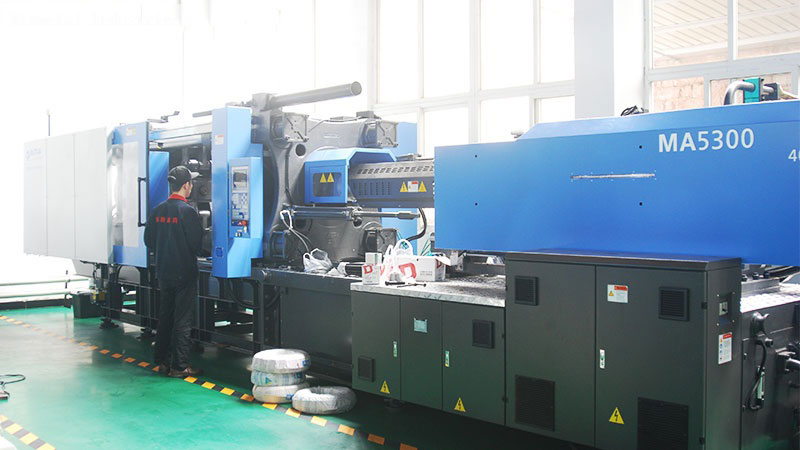
Blog

  • custom molds reviews: Professional Buying Guide 2026

    For overseas buyers, the decision to import custom molds from China represents a significant opportunity for cost efficiency and manufacturing scalability. However, the path from concept to a perfect, production-ready mold is fraught with potential complexities. Relying solely on basic custom molds reviews is no longer sufficient in 2026’s competitive landscape. This professional buying guide moves beyond simple testimonials to provide a structured, actionable framework for procurement success. We will dissect the critical phases of engagement with a China mold factory, equipping you with the due diligence strategies needed to mitigate risk and secure a high-quality injection mold that meets your precise specifications, budget, and timeline.

    The cornerstone of a successful import project is rigorous supplier verification. In the context of custom molds reviews, look for depth over breadth. A positive review stating “good quality” is less valuable than one detailing a factory’s communication during design for manufacturability (DFM) adjustments. Start by verifying business licenses and export credentials. Then, move to technical verification: request and scrutinize portfolios of past projects similar to your intended injection mold in complexity, material, and industry. Utilize video calls to conduct virtual factory tours, insisting on seeing live production floors and quality control stations, not just curated showrooms. Third-party verification platforms can provide additional due diligence, but direct, technical engagement remains irreplaceable. This multi-layered verification process transforms a list of potential suppliers into a shortlist of credible partners.

    Once a potential partner is identified, the procurement process must be anchored by crystal-clear technical communication. The single greatest point of failure in custom mold manufacturing is ambiguous or incomplete specifications. Develop a comprehensive Request for Quotation (RFQ) package that includes not only part drawings but also material selection (e.g., pre-hardened steel, stainless steel, aluminum), expected annual volumes, cavity requirements, tolerance levels, surface finish specifications, and post-molding requirements. A professional China mold factory will respond with a detailed DFM report. This document is a critical indicator of their expertise; it should highlight potential manufacturing challenges, suggest improvements for moldability, and confirm or adjust timelines. Treat this collaborative phase as the most important review of their engineering capability before a single piece of steel is cut.

    Proactive quality control is non-negotiable and must be structured throughout the mold lifecycle, not just as a final inspection. Define measurable quality checkpoints with your supplier. Key stages include a First Article Inspection (FAI) after the mold base is prepared, critical dimension checks during machining, and a comprehensive Trial Run Report. For the trial, insist on video documentation of the molding process, shots of the first articles from multiple angles, and data on key parameters like cycle time and injection pressure. Many reputable factories offer this as standard. For high-value or high-complexity projects, consider engaging a local third-party quality inspection firm specializing in tooling to conduct pre-shipment audits. This objective assessment provides a final layer of assurance, ensuring the injection mold performs to agreed standards before it leaves the factory, thereby avoiding costly rework after international shipment.

    The final phase encompasses logistics, payment terms, and post-sales support. Negotiate Incoterms 2020 clearly—terms like FOB or EXW define where responsibility and cost shift from supplier to buyer. Ensure all shipping, insurance, and import customs documentation is meticulously prepared by the agreed party. Regarding payment, a balanced structure protects both sides. A common and secure model is a staggered approach: 30-50% deposit, 40-50% upon approval of trial samples, and the final 10-20% after pre-shipment inspection. Crucially, discuss and contract post-sales support. A reliable supplier will warrant their workmanship and materials for a defined period and commit to providing maintenance guidance, spare part lists, and support for minor modifications. This long-term service attitude is a true mark of a partner, often revealed in the most insightful custom molds reviews.

    In conclusion, importing custom molds from China in 2026 demands a strategic, process-driven approach that transcends superficial feedback. By implementing a disciplined cycle of in-depth supplier verification, precise technical procurement, staged quality control, and clear logistical planning, overseas buyers can transform a complex international project into a streamlined and successful investment. The goal is to use the concept of custom molds reviews not as a passive reading exercise, but as a springboard for active, professional investigation. The most reliable review will ultimately be the one you write for yourself, based on a partnership forged through diligence, clear communication, and mutually aligned expectations, resulting in a precision tool that drives your product’s success for years to come.

    Work With Us

    As a professional China mold manufacturer, we provide one-stop mold solution for overseas buyers.
    📞 Phone: +86-18605944639
    💬 WhatsApp: +8618605944639
    🌐 Website: bestmoldworks.com
    📧 Email: [email protected]
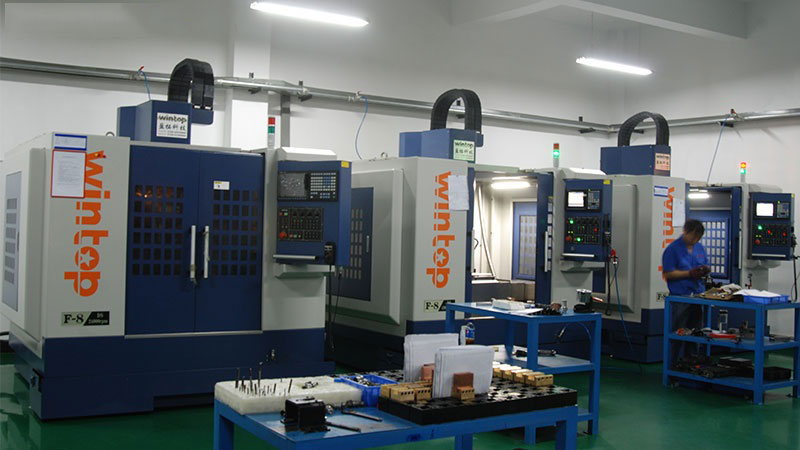
  • injection mould manufacturers in china: Complete Procu 2026

    For overseas buyers, sourcing injection molds from China represents a significant opportunity for cost efficiency and advanced manufacturing capability. However, navigating this complex landscape requires a modern, informed approach to mitigate risks and ensure a successful partnership. The traditional model of simply finding the lowest quote is obsolete. In 2026, strategic procurement is defined by rigorous verification, clear communication, and integrated quality management. This guide provides a practical, step-by-step framework for engaging with injection mould manufacturers in China, designed to solve the real problems faced by international buyers and build a foundation for long-term supply chain success.

    The cornerstone of a successful import project is thorough supplier verification. Moving beyond a basic website or Alibaba profile is non-negotiable. Start by scrutinizing the China mold factory’s business licenses and export history. Request a detailed company profile that outlines their core competencies, typical machine tonnage, and experience with your specific industry, be it automotive, medical, consumer electronics, or packaging. The most critical step is a virtual or in-person factory audit. In 2026, reputable suppliers expect this and can facilitate a live video tour. During this audit, focus on their workshop organization, machine maintenance, and the presence of quality control stations. Ask for documented case studies or client references from your region. This due diligence filters out trading companies masquerading as manufacturers and identifies partners with genuine capability.

    Once a shortlist of potential partners is established, mastering the technical and commercial quotation process is vital. A professional quote from a credible injection mold manufacturer will be exhaustive. It should break down costs for mold design, materials (such as pre-hardened steel, stainless steel, or aluminum), cavity number, expected lifespan, and all surface treatments. Crucially, it must define the approval process: what deliverables will you receive at each stage? Typically, this includes 3D mold design for approval, mold flow analysis reports, and samples from the T1 (first trial) shot. Be explicit about intellectual property ownership from the outset, ensuring it is stipulated in the contract. In your comparisons, avoid the pitfall of evaluating price alone; evaluate the value. A slightly higher quote that includes comprehensive DFM (Design for Manufacturability) feedback, a clear project timeline with milestones, and a detailed quality control plan often proves more economical by preventing costly revisions and production delays.

    Effective quality control cannot be an afterthought; it must be engineered into the procurement process from day one. Your agreement with the China mold factory must specify quality standards, such as DME, HASCO, or your own custom specifications. Define the inspection and approval protocols for critical stages: steel material certification, pre-hardness testing, T1 sample inspection, and final pre-shipment audit. For precision-critical molds, consider engaging a local third-party inspection service in China to conduct on-site checks during the fitting and trial stages. This provides an objective assessment before the mold leaves the factory. Furthermore, discuss the protocol for mold modification and maintenance. Who is responsible for adjustments after the sample approval? What is the warranty period, and what does it cover? Clear documentation of all tolerances, surface finish requirements, and part testing methods prevents ambiguity and ensures the final injection mold meets your exact production requirements.

    The final phase, encompassing logistics, payment, and long-term partnership, determines the ultimate success of your project. Understand the incoterms thoroughly. While EXW (Ex Works) might offer a lower initial price, it places the full burden of international shipping, insurance, and customs clearance on you. For most buyers, FOB (Free On Board) or CIF (Cost, Insurance, and Freight) terms offered by experienced injection mould manufacturers in china provide a smoother transition. Secure payment terms are paramount. A standard, balanced structure like 40% deposit, 50% upon approval of T1 samples, and 10% before shipment is common and protects both parties. Always use secure, traceable payment methods. Finally, view this procurement as the start of a partnership. A reliable supplier is an asset for future projects, spare parts, and ongoing production. Provide clear feedback, honor agreed payment schedules, and foster transparent communication to build a collaborative relationship that extends beyond a single transaction.

    Successfully importing an injection mold from China in 2026 is a systematic exercise in strategic sourcing and partnership development. It transcends mere price negotiation, demanding a focus on verified capability, embedded quality control, and contractual clarity. By implementing a disciplined approach to supplier verification, mastering the technical quotation, integrating quality checks at every milestone, and securing the logistics and financial framework, overseas buyers can confidently tap into China’s manufacturing excellence. The goal is to transform the inherent complexities of global procurement into a competitive advantage, securing not just a tool, but a reliable production solution for years to come.

    Work With Us

    As a professional China mold manufacturer, we provide one-stop mold solution for overseas buyers.
    📞 Phone: +86-18605944639
    💬 WhatsApp: +8618605944639
    🌐 Website: bestmoldworks.com
    📧 Email: [email protected]
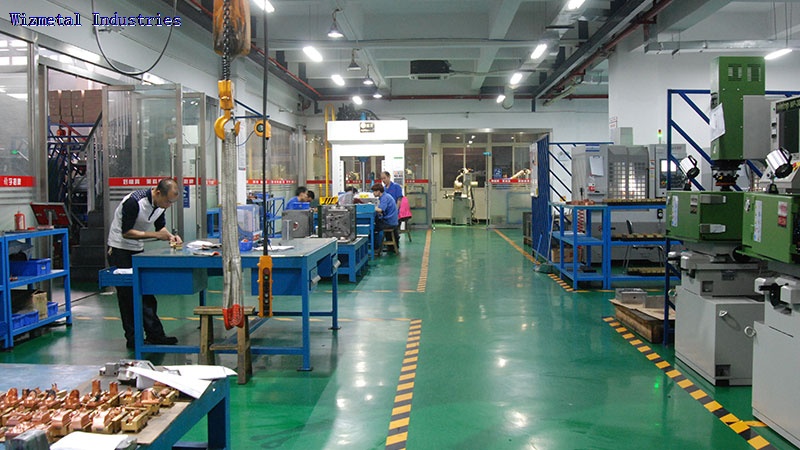
  • custom molding solutions reviews: Reliable Manufactur 2026

    For overseas buyers, the decision to import molds from China represents a significant opportunity for cost efficiency and advanced manufacturing capability. However, navigating the vast landscape of suppliers to find a truly reliable partner can be daunting. As we look toward 2026, the procurement process has evolved beyond simple price comparison. This guide, framed through the lens of **custom molding solutions reviews**, provides actionable, professional strategies to secure a dependable China mold factory for your injection mold projects, ensuring quality, timeliness, and a successful partnership.

    The cornerstone of any successful import venture is rigorous supplier verification. In 2026, this means moving far past a supplier’s self-published website or Alibaba storefront. Begin with a multi-faceted due diligence approach. First, verify business licenses and export credentials through official Chinese platforms. Second, demand and scrutinize a comprehensive portfolio of past projects, specifically looking for work similar in complexity, material, and industry to your own. Third, leverage technology: use video calls to conduct virtual factory tours, assessing the shop floor organization, machinery age and brand (e.g., Haitian, Engel, or Arburg injection molding machines), and in-house toolroom capabilities. True **custom molding solutions reviews** from previous international clients are invaluable here; request at least three direct contacts and ask detailed questions about communication, problem-solving, and post-sales support. This proactive verification filters out intermediaries and identifies factories with proven experience in serving overseas markets.

    Once a potential partner is identified, mastering the technical and commercial dialogue is critical. Your request for quotation (RFQ) package must be exceptionally detailed to avoid ambiguity. It should include not just 3D CAD files (STEP or IGS format preferred) but also a comprehensive specification document. This document must cover the injection mold material (e.g., pre-hardened steel, stainless steel, aluminum), expected lifespan (number of shots), tolerance requirements, surface finish specifications (SPI standards), and part material (resin type). Clearly state your expectations for mold flow analysis reports before manufacturing begins—a reputable factory will use this simulation to anticipate and resolve filling, cooling, and warpage issues digitally. Discuss the project timeline with clear milestones: design review approval, T1 sample delivery, and final shipment. Transparent communication at this stage sets a professional tone and allows for accurate comparison of quotations, ensuring you are comparing like-for-like offerings.

    Managing quality control remotely is the single greatest concern for overseas buyers. The solution for 2026 lies in a structured, evidence-based QC protocol integrated into the contract. Insist on a First Article Inspection (FAI) using Coordinate Measuring Machine (CMM) reports for the initial samples, comparing dimensions directly against your CAD model. For ongoing production, define Acceptable Quality Levels (AQL) for sampling inspections. The most effective strategy is to partner with a reputable third-party quality inspection service based in China. These independent inspectors can conduct pre-shipment inspections, cavity and core steel hardness tests, and part validation runs, providing you with objective photographic and data evidence before the mold leaves the factory. This layer of oversight mitigates risk and ensures the **custom molding solutions reviews** you read about consistent quality translate into your tangible experience.

    The final, often overlooked phase is planning for the long-term lifecycle of the mold. A reliable manufacturer views the transaction not as a simple sale but as the start of a technical partnership. Discuss and agree upon terms for mold maintenance, repair, and storage. Who holds the intellectual property rights to the design? Will the China mold factory store the mold, and at what cost? What is the process and cost structure for future modifications or repairs? Ensure you receive a complete set of as-built drawings and maintenance records upon final payment. Establishing these post-production protocols upfront prevents future disputes and operational downtime, solidifying the relationship for potential repeat business. This forward-thinking approach is a hallmark of a superior supplier, distinguishing them in a competitive market.

    In conclusion, importing molds from China in 2026 demands a sophisticated, process-driven approach centered on verification, clear communication, documented quality control, and lifecycle planning. By treating supplier selection as a critical strategic procurement exercise rather than a simple purchase, overseas buyers can unlock the immense value of Chinese manufacturing with confidence. The goal is to transform anonymous online **custom molding solutions reviews** into a verified, transparent, and productive partnership with a China mold factory. By implementing these actionable tips, you position your project for success, ensuring that your custom injection mold is not only cost-effective but also a reliable, high-quality asset that drives your product’s success for years to come.

    Work With Us

    As a professional China mold manufacturer, we provide one-stop mold solution for overseas buyers.
    📞 Phone: +86-18605944639
    💬 WhatsApp: +8618605944639
    🌐 Website: bestmoldworks.com
    📧 Email: [email protected]
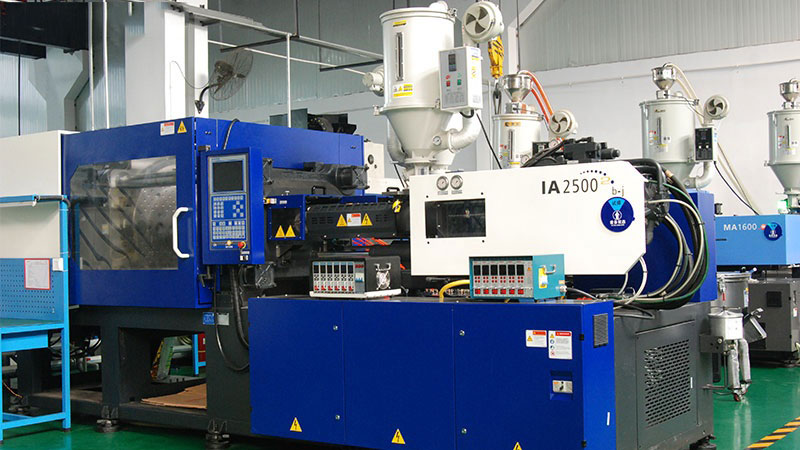
  • injection mold manufacturers near me: Expert Tips & Sol 2026

    For overseas buyers, the search for “injection mold manufacturers near me” often ends with a realization: the most competitive expertise, capacity, and value may not be geographically close, but are concentrated in specialized industrial hubs across China. Procuring high-quality injection molds from China is a proven strategy for cost reduction and scalability, but it requires a methodical approach to navigate distance, culture, and supply chain complexity. This guide provides actionable, expert solutions for 2026, moving beyond simple supplier lists to a framework for building successful, long-term partnerships with a reliable China mold factory.

    The core challenge for international procurement is not finding a manufacturer, but verifying and collaborating with the right one. The initial search for “injection mold manufacturers near me” is a local starting point that quickly expands into a global evaluation process. Success hinges on shifting from a transactional mindset to a partnership model, where clear communication, rigorous verification, and shared quality standards are paramount. The following solutions are designed to address the real pain points of overseas buyers, from initial contact to final production run.

    Solution 1: Redefine “Near Me” with Strategic Supplier Verification

    In 2026, proximity is about accessibility and reliability, not just geography. Your first step is deep supplier verification. Move beyond Alibaba storefronts. Investigate the China mold factory’s business license, export history, and physical address via third-party verification services or detailed video tours. Request a detailed company profile including machinery lists—specific brands and models of CNC, EDM, and injection molding machines indicate capability. Crucially, ask for and contact past overseas clients. A reputable injection mold supplier will have a portfolio of international projects and willing references. This due diligence replaces geographical closeness with verified operational transparency, building a foundation of trust before any contract is signed.

    Solution 2: Master Technical Documentation and RFQ Precision

    Ambiguity is the primary source of cost overruns and quality disputes. To procure effectively, you must provide impeccable technical documentation. This includes a fully detailed 3D CAD model (STEP or IGES), 2D drawings with critical dimensions, tolerances, surface finish specifications (SPI standards), and material specifications (including grade and supplier if critical). For your request for quotation (RFQ), specify expected annual volumes, cavity requirements, mold life expectancy (number of shots), and post-mold services like assembly or packaging. This precision allows Chinese manufacturers to provide comparable and accurate quotes, minimizes back-and-forth clarification, and demonstrates your professionalism, ensuring you are taken seriously by top-tier factories.

    Solution 3: Implement a Phased Quality Control and Communication Protocol

    Quality control cannot be an afterthought; it must be engineered into the procurement process. Insist on a staged approval process with digital evidence at each milestone: initial steel inspection, T1 sample report with CMM data, and pre-shipment inspection. Utilize clear communication tools like WeChat for daily updates but formalize all changes via email. Schedule regular video conference calls during key phases, such as after design review and before T1 sampling. Consider engaging a local third-party quality inspection agency for critical checkpoints. This structured approach creates multiple touchpoints to catch issues early, when they are least expensive to correct, and ensures the final product aligns with your specifications.

    Solution 4: Plan for Total Cost of Ownership and Long-Term Partnership

    The lowest mold price can lead to the highest total cost. Expert buyers evaluate the total cost of ownership, which includes mold maintenance, spare parts, lead time for repairs, and the supplier’s willingness to support future modifications. Discuss these terms upfront. A reliable partner will offer a mold warranty, provide full mold design files and maintenance manuals, and stock critical spare components like lifters and cylinders. View your chosen China mold factory not as a one-time vendor but as a technical partner for future projects. This long-term perspective encourages better service, priority treatment, and continuous improvement in your collaboration, securing your supply chain for years to come.

    Solution 5: Navigate Logistics, IP Protection, and Post-Sales Support

    Finalizing the mold is only half the journey. Secure your intellectual property with a robust NNN Agreement (Non-Use, Non-Disclosure, Non-Circumvention) tailored to Chinese enforcement, rather than a standard western NDA. Clarify shipping terms (Incoterms 2020) explicitly—who handles export clearance, freight, and import duties? For first-time shipments, consider using the supplier’s recommended freight forwarder with experience in handling delicate mold tools. Finally, establish clear post-sales support protocols. How will mold repairs be handled? What is the response time for troubleshooting production issues? Having these logistical and legal frameworks in place prevents disputes and ensures a smooth transition from factory floor to your production line.

    Conclusion

    The successful import of injection molds from China in 2026 demands a strategic, informed approach that transcends the initial search for “injection mold manufacturers near me.” By redefining proximity through rigorous verification, mastering technical communication, embedding quality control throughout the process, planning for long-term costs, and securing logistics and IP, overseas buyers can transform geographical distance into a competitive advantage. The goal is to build a bridge of trust and efficiency to a capable China mold factory, turning the complexities of global procurement into a reliable pipeline for high-quality, cost-effective tooling and production. Your ideal manufacturing partner is not necessarily the closest, but the one vetted and managed through these expert solutions.

    Work With Us

    As a professional China mold manufacturer, we provide one-stop mold solution for overseas buyers.
    📞 Phone: +86-18605944639
    💬 WhatsApp: +8618605944639
    🌐 Website: bestmoldworks.com
    📧 Email: [email protected]
  • custom molds for aluminum: Ultimate Guide for Buyers 2026

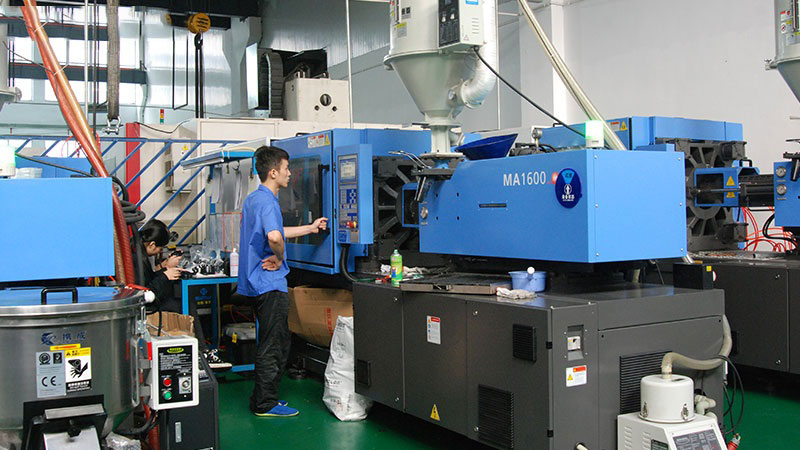
    For overseas buyers, sourcing custom molds for aluminum represents a strategic decision to leverage world-class manufacturing capabilities and cost efficiency. China remains the global epicenter for mold manufacturing, offering unparalleled expertise and scale. However, navigating this complex landscape requires more than just finding the lowest quote. This ultimate guide for 2026 is designed to cut through the noise, providing you with a professional, actionable framework to procure high-quality aluminum injection molds from China, mitigate risks, and ensure a successful partnership.

    The journey begins long before you request a quotation. Comprehensive supplier verification is the single most critical step in your procurement process. In 2026, due diligence goes beyond a basic website check. Start by verifying the China mold factory’s business license via official Chinese platforms. Scrutinize their portfolio for specific experience with aluminum components—look for projects involving thin walls, complex geometries, or high thermal stress, as these demonstrate advanced skill. Utilize video calls to request virtual factory tours; observe their machinery (look for CNC, EDM, and deep-hole drilling equipment), workshop organization, and in-house testing facilities. Furthermore, check for international certifications like ISO 9001, which indicates a baseline quality management system, and inquire about industry-specific standards they adhere to. This foundational work separates credible partners from intermediaries.

    Once you have shortlisted potential suppliers, mastering the technical and commercial dialogue is essential. Your request for quotation (RFQ) package must be exceptionally detailed to avoid costly misunderstandings. For your custom molds for aluminum, include not just the final part drawing, but also a comprehensive specification document. This should cover the aluminum alloy type, expected annual volumes, part critical tolerances, surface finish requirements (e.g., SPI standards), and the intended molding machine specifications. Clearly state your expectations for mold life (e.g., 500,000 shots) and the mold base standard (e.g., HASCO, DME). Discuss the mold flow analysis plan upfront; a competent factory will proactively offer this simulation to predict and prevent filling issues, warpage, and porosity. This technical rigor ensures all bidders are quoting on the exact same scope, making comparisons meaningful and setting the stage for a successful injection mold project.

    With a supplier selected, a robust quality control protocol becomes your primary tool for risk management. Do not assume quality will be managed solely by the factory. Implement a multi-stage inspection plan. The first critical milestone is the Design Review Approval (DRA), where you sign off on all mold designs before steel is cut. The next is the First Article Inspection (FAI) on the T1 samples. For this, engage a reputable third-party inspection company in China to perform a dimensional check, material verification, and functional test on the molded aluminum parts. This objective assessment is invaluable. Additionally, insist on witnessing the mold trial (either in person or via live stream), where parameters like cycle time, cooling efficiency, and ejection are validated. Define clear acceptance criteria for part quality, including permissible porosity levels specific to aluminum, in your purchase contract. This proactive quality control framework protects your investment.

    The final phase, covering logistics, intellectual property, and long-term partnership, solidifies the success of your procurement. Ensure your Incoterms (e.g., FOB Shanghai) are clearly agreed upon, understanding your responsibilities for shipping, insurance, and import duties. Intellectual property protection is a valid concern; a well-drafted Non-Disclosure Agreement (NDA) and a contract that stipulates sole ownership of all mold designs and tooling are mandatory. Consider the long-term relationship: a reliable China mold factory is a strategic asset. Discuss their policy on mold maintenance, repair, and storage. Will they keep the mold and produce annual batches, or will it be shipped to you? Establishing clear communication channels and a single point of contact for technical and commercial issues will streamline future orders and troubleshooting.

    In conclusion, successfully importing custom molds for aluminum from China in 2026 is a systematic process built on verification, clear communication, and vigilant quality assurance. It transforms from a simple purchase into a strategic technical collaboration. By meticulously verifying your supplier, preparing exhaustive technical specifications, enforcing staged quality controls, and formalizing the partnership terms, you significantly de-risk the procurement process. This approach enables you to fully harness the expertise and competitive advantage offered by specialized Chinese mold manufacturers, turning your aluminum component vision into a high-quality, commercially viable reality. The ultimate goal is not just to buy a mold, but to secure a reliable manufacturing partnership for years to come.

    Work With Us

    As a professional China mold manufacturer, we provide one-stop mold solution for overseas buyers.
    📞 Phone: +86-18605944639
    💬 WhatsApp: +8618605944639
    🌐 Website: bestmoldworks.com
    📧 Email: [email protected]

  • custom silicone mold maker: Expert Tips & Solutions 2026

    For overseas buyers, sourcing a custom silicone mold maker represents a critical step in bringing innovative products to life. Whether for intricate baking tools, detailed casting applications, or specialized industrial components, the precision and quality of your mold directly impact your final product. China remains a global hub for mold manufacturing, offering a compelling combination of advanced technical capabilities and cost-effectiveness. However, navigating this market requires strategic insight to ensure a successful procurement journey. This guide provides actionable, forward-looking solutions for 2026, designed to help you identify, verify, and collaborate with a top-tier China mold factory for your silicone injection mold needs.

    Conducting Thorough Supplier Verification and Capability Assessment

    The foundation of a successful import project is a rigorously vetted supplier. Moving beyond basic website checks is paramount. Begin by verifying the business license and export credentials of your potential custom silicone mold maker. Utilize third-party inspection services or platforms that can confirm the factory’s operational scale and legitimacy. Crucially, assess their specific experience with silicone molds. Silicone requires different expertise compared to hard plastic injection molds; inquire about their experience with similar projects, material certifications (like FDA or LFGB for food-grade applications), and their proficiency in handling silicone’s unique flow and curing characteristics. Request detailed case studies and, if possible, contact past international clients. A reputable China mold factory will transparently share this information, demonstrating a track record of quality and reliability.

    Mastering Technical Communication and Prototyping Phases

    Clear technical communication is your most powerful tool to avoid costly errors. When engaging with a supplier, provide exhaustive documentation. This should include not just 3D CAD files (in a universally accepted format like STEP or IGS) but also a comprehensive technical specification sheet. Detail the intended material (platinum-cure or tin-cure silicone, hardness shore A), expected production volume, cavity requirements, and any critical tolerances. Insist on a prototyping phase before full-scale tooling begins. A pre-production sample from a prototype mold allows you to test form, fit, function, and material performance. This step is non-negotiable as it validates the design and the manufacturer’s understanding of your requirements. Effective communication during this phase sets the standard for the entire project and ensures both parties are aligned on the final outcome.

    Implementing a Robust Quality Control Framework from Start to Finish

    Proactive quality control is integral to the procurement process, not a final box to check. Define and agree upon quality standards (e.g., dimensional accuracy, surface finish, absence of flash or defects) with your supplier before production commences. For silicone molds, pay special attention to surface finish specifications, as this directly transfers to your cast products. Consider implementing staged inspections: a Data Inspection Report after the mold design is finalized, a First Article Inspection (FAI) when the initial samples are produced from the finished mold, and Pre-Shipment Inspections (PSI) for production batches. Hiring a local third-party quality control agent in China to conduct these inspections provides an objective, expert assessment at the factory floor. This layered approach mitigates risk and prevents the shipment of substandard goods, protecting your investment and brand reputation.

    Navigating Logistics, IP Protection, and Post-Sales Support

    Finalizing the mold is only part of the equation. Address logistics and legalities upfront in your contract. Clarify Incoterms (like FOB or EXW) to define shipping responsibilities and costs. Ensure the supplier has experience in packaging molds securely for ocean freight to prevent damage. Intellectual property protection is a valid concern; a well-drafted Non-Disclosure Agreement (NDA) and a contract that stipulates IP ownership are essential. Work with a supplier who respects confidentiality and has protocols in place. Finally, discuss post-sales support. A reliable custom silicone mold maker will offer a clear warranty on the mold workmanship and be available for troubleshooting, such as guidance on maintenance or minor adjustments. Establishing these terms formally ensures a professional partnership that extends beyond a single transaction.

    Building a Strategic Partnership for Long-Term Success

    View your chosen supplier not merely as a vendor but as a strategic manufacturing partner. The most successful import relationships are built on transparency, mutual respect, and clear expectations. Regular video calls, planned factory visits when possible, and open discussions about challenges foster trust. For ongoing projects, discuss their capacity for mold maintenance, repair, and potential future modifications. A dependable China mold factory invested in a long-term relationship will be more motivated to ensure consistent quality, offer better terms, and prioritize your projects. This partnership approach transforms your procurement from a cost-centric activity into a value-driven strategy that supports your business growth and product innovation well into the future.

    Conclusion

    Importing silicone molds from China in 2026 demands a blend of diligent verification, precise communication, and strategic partnership management. By implementing these expert tips—from deep supplier verification and rigorous prototyping to structured quality control and clear contractual agreements—you significantly de-risk the process. The goal is to move beyond simply finding a manufacturer to collaborating with a proficient and reliable custom silicone mold maker who can deliver precision, quality, and value. With this disciplined approach, overseas buyers can confidently leverage the expertise of Chinese mold factories to secure superior injection molds that drive product excellence and competitive advantage in their markets.

    Work With Us

    As a professional China mold manufacturer, we provide one-stop mold solution for overseas buyers.
    📞 Phone: +86-18605944639
    💬 WhatsApp: +8618605944639
    🌐 Website: bestmoldworks.com
    📧 Email: [email protected]

  • custom plastic injection moulding company: Best Suppli 2026

    For overseas buyers, the decision to import molds from China remains one of the most strategic moves to achieve cost efficiency and scalable production. However, the landscape in 2026 is not about finding just any supplier; it’s about identifying a true collaborative partner. The journey from concept to a warehouse filled with perfect plastic parts hinges on your choice of a **custom plastic injection moulding company**. This guide cuts through the noise to provide actionable, real-world strategies for procurement professionals and business owners aiming to secure a best-in-class China mold factory for their 2026 projects and beyond.

    The core challenge has evolved. It is no longer simply about price comparisons online. The real problems you face involve navigating advanced manufacturing ecosystems, ensuring intellectual property protection in a digital age, managing sophisticated quality control protocols from afar, and building relationships that guarantee reliability over the next decade. Success requires a methodical approach focused on verification, communication, and shared standards from the very first inquiry.

    Conduct Deep-Digital and In-Person Supplier Verification

    The initial search will yield hundreds of potential partners. Moving beyond Alibaba listings is your first critical step. True verification in 2026 involves a multi-layered approach. First, scrutinize the supplier’s digital footprint: a professional, detailed website with engineering-focused content, active and technical LinkedIn profiles for their sales and project managers, and presence on B2B platforms like Made-in-China.com with historical transaction data. Second, and most crucially, insist on a live video audit. A reputable injection mold manufacturer will readily conduct a real-time factory tour via video call, showcasing their machinery (look for European or Japanese brands like Arburg, Engel, or Fanuc), mold maintenance areas, and quality lab. This replaces the traditional, costly pre-visit and immediately filters out trading companies masquerading as factories.

    Prioritize Technical Dialogue and DFM Competence

    Your first technical discussion is a litmus test. A leading **custom plastic injection moulding company** distinguishes itself not by agreeing to every detail on your drawing, but by initiating a constructive Design for Manufacturability (DFM) review. They should proactively suggest modifications to wall thickness, draft angles, gate locations, or material selection that will reduce cost, improve cycle time, and enhance part quality. Prepare a detailed technical data sheet and a set of pointed questions. Ask about their experience with similar materials (e.g., POM, Nylon, ABS with specific UL94 ratings) and part complexities. Their responses will reveal their engineering depth. This stage is where you assess if they are a true solution provider or merely an order taker.

    Implement a Phased Quality Control and Payment Protocol

    Protecting your investment requires a structured quality control and payment schedule. Never agree to 100% payment before shipment. A standard and secure protocol involves: 30% deposit after order confirmation, 40% payment upon approval of the First Article Inspection Report (FAIR) which includes CMM reports, material certificates, and sample photos/videos, and the final 30% before shipment. For the mold itself, define clear acceptance criteria: steel hardness certifications, mold flow analysis reports, and a sample run using production-grade material. For ongoing production, specify your AQL (Acceptable Quality Level) for inspections. Partner with a reliable third-party quality control service in China for critical pre-shipment inspections. This phased approach aligns incentives and mitigates financial risk.

    Build a Partnership, Not Just a Transaction

    The best outcomes arise from viewing your chosen China mold factory as a long-term extension of your operations. This means investing in the relationship. Be clear and detailed in your communications, provide comprehensive 3D drawings (STEP or IGS files) and 2D technical drawings with GD&T, and be transparent about your volume projections and market. In return, expect transparency on production schedules and any potential delays. Consider starting with a smaller, less critical project to test the partnership before committing to high-volume or complex production. A reliable partner will be interested in your success, offering insights on material cost trends, logistics optimization, and even packaging suggestions to reduce your total landed cost.

    Conclusion: Securing Your Competitive Edge for 2026

    Sourcing injection molds from China in 2026 demands a blend of technological savvy, rigorous process control, and strategic relationship management. The goal is to move from a price-sensitive procurement model to a value-driven partnership model. By executing thorough supplier verification, engaging in deep technical dialogue, enforcing structured quality and payment milestones, and fostering transparent communication, you position your business to leverage the immense manufacturing capabilities China offers. The right **custom plastic injection moulding company** becomes more than a supplier; it becomes a cornerstone of your supply chain resilience and product quality, delivering a decisive competitive advantage for years to come. Begin your 2026 supplier evaluation with these principles, and transform the complexity of overseas procurement into a reliable pathway to growth.

    Work With Us

    As a professional China mold manufacturer, we provide one-stop mold solution for overseas buyers.
    📞 Phone: +86-18605944639
    💬 WhatsApp: +8618605944639
    🌐 Website: bestmoldworks.com
    📧 Email: [email protected]

  • injection molding manufacturer in china: Professional 2026

    For global businesses, partnering with an injection molding manufacturer in China remains a cornerstone strategy for achieving cost-effective, scalable production. The landscape, however, is constantly evolving. What worked in procurement five years ago may not suffice today. This professional guide for 2026 cuts through the noise to address the real challenges faced by overseas buyers. We move beyond simple directory listings to provide a structured framework for identifying, vetting, and collaborating with a world-class China mold factory to secure superior injection molds and parts.

    The core challenge is no longer merely finding a supplier, but efficiently identifying the right partner amidst a vast and varied industrial ecosystem. The risks of poor communication, misunderstood specifications, and inconsistent quality can quickly erode the celebrated cost advantages. This guide is designed to solve these problems directly, offering a systematic approach to supplier verification and project management that aligns with the professional standards demanded in 2026.

    Conducting Deep-Due Diligence Beyond Alibaba

    Initial online searches will yield hundreds of options, but true verification requires a deeper dive. A professional procurement strategy in 2026 leverages multiple channels. While B2B platforms are a starting point, prioritize manufacturers with detailed case studies, technical white papers, or active contributions to industry forums. Crucially, insist on a live video audit of the facility. This allows you to inspect machinery brands, workshop organization, and gauge their engineering team’s capability in real-time. Verify certifications like IATF 16949 for automotive or ISO 13485 for medical devices, but treat them as a baseline, not a guarantee. Ask for specific client references in your region or industry and contact them directly to inquire about project management responsiveness and post-sales support. This multi-layered verification process separates market-leading operations from mere trading companies.

    Mastering the Technical and Commercial Dialogue

    Clear communication of your requirements is the single most critical factor for success. Before engaging a potential injection molding manufacturer in China, prepare a comprehensive Request for Quotation package. This must include not just 3D drawings, but a detailed technical specification covering material grade, critical tolerances, surface finish requirements, and expected part volumes. Be explicit about quality standards and testing protocols. During quotation analysis, be wary of bids that are significantly lower than the median. Often, this indicates corner-cutting on steel quality, a lack of necessary post-processing, or misunderstandings in scope. Professional dialogue focuses on the total cost of ownership, discussing mold lifecycle, maintenance plans, and the unit price at different volume tiers. A reliable partner will ask numerous clarifying questions, demonstrating their focus on getting the design right for manufacturability.

    Implementing a Phased Quality Control Protocol

    Quality cannot be inspected into a product; it must be built into the process. In 2026, professional buyers insist on a phased quality control plan integrated into the contract. The first gate is the Design for Manufacturability review, where the China mold factory provides formal feedback to optimize your part for production. The second critical phase is the First Article Inspection. Demand a comprehensive FAIR report with 3D scan data, material certifications, and dimensional results from Coordinate Measuring Machine checks. Do not authorize mass production until this report is approved. For ongoing production, define the frequency and method of audits, whether through your third-party agents or their own documented in-process checks. This structured approach to quality control mitigates risk and ensures consistency, transforming your supplier from a passive order-taker to an accountable extension of your operations.

    Navigating Logistics and Protecting Intellectual Property

    Securing a perfect injection mold is only half the battle. A professional partnership clearly defines protocols for logistics and Intellectual Property protection from the outset. Discuss and agree on Incoterms 2020 explicitly to avoid hidden costs and clarify responsibility for mold shipment and tooling insurance. For IP, a robust Non-Disclosure Agreement is essential, but it must be enforceable in China. Work with local legal counsel to ensure the agreement is binding. Furthermore, discuss physical and digital security measures at the factory. Reputable manufacturers understand this concern and will have protocols for secure data handling and restricted access to proprietary tooling. These logistical and legal foundations are non-negotiable for a sustainable, worry-free import strategy.

    Building a Strategic Partnership for Long-Term Success

    The most successful engagements view the Chinese manufacturer as a strategic partner, not just a transactional vendor. This involves investing in the relationship. Schedule regular technical reviews, not just complaint calls. Consider inviting their lead engineer to your facility to better understand your end-use application. This collaborative spirit fosters proactive problem-solving and innovation. A partner invested in your success is more likely to alert you to potential design improvements, material advancements, or cost-saving opportunities in subsequent production runs. This long-term perspective is the hallmark of a professional procurement strategy, turning a cost center into a competitive advantage.

    Conclusion

    Importing molds from China in 2026 demands a professional, systematic approach that prioritizes verification, clear communication, and integrated quality management. By conducting thorough due diligence, mastering the technical dialogue, implementing phased quality control, securing your assets, and fostering partnership, you can confidently navigate the complexities of offshore procurement. The goal is to build a resilient supply chain where your chosen injection molding manufacturer in china becomes a reliable pillar of your product development and manufacturing success for years to come.

    Work With Us

    As a professional China mold manufacturer, we provide one-stop mold solution for overseas buyers.
    📞 Phone: +86-18605944639
    💬 WhatsApp: +8618605944639
    🌐 Website: bestmoldworks.com
    📧 Email: [email protected]

  • injection mold china manufacturers: Ultimate Guide for 2026

    For product developers, engineers, and procurement specialists worldwide, sourcing precision tooling is a critical step in bringing innovations to market. China has long been the global epicenter for mold manufacturing, offering a compelling blend of advanced technological capability and cost efficiency. However, navigating this vast and complex landscape presents distinct challenges for overseas buyers. This guide for 2026 cuts through the noise to provide a professional, actionable framework for successfully partnering with injection mold China manufacturers. We will move beyond simple directory listings to solve the real problems of supplier verification, communication, quality assurance, and logistics, ensuring your procurement journey is strategic, secure, and successful.

    Mastering Supplier Discovery and Verification

    The initial search for a China mold factory can be overwhelming. Moving beyond generic B2B platforms is crucial in 2026. Begin with a technical audit of your own project: define your mold’s complexity, required tolerances, material (e.g., pre-hardened steel, aluminum), and expected lifecycle. This specification becomes your filter. Seek manufacturers with demonstrable expertise in your niche—be it automotive components, medical devices, or consumer electronics. Professional verification is non-negotiable. Insist on a virtual factory tour via video call to inspect machinery (e.g., CNC, EDM, CMM), workshop organization, and cleanliness. Demand documented proof of ISO 9001 certification and, for regulated industries, relevant standards like IATF 16949 or ISO 13485. Crucially, contact and speak to their existing overseas clients. A reputable supplier will provide references. This due diligence phase separates market leaders from unreliable workshops, forming the bedrock of a trustworthy partnership.

    Streamlining Communication and Technical Alignment

    Miscommunication is the root cause of most failed projects. To mitigate this, establish a single, technically proficient point of contact on both sides who is fluent in English and engineering terminology. All critical communications must be documented via email. The cornerstone of alignment is a comprehensive and unambiguous Request for Quotation (RFQ) package. This should include not just part drawings (STEP, IGES formats) in 3D and 2D, but also a detailed specification document covering material grade, surface finish (SPI standards), tolerance requirements, cavity numbering, gate type and location, and expected cycle time. Discuss and agree on a structured project timeline with clear milestones: design review, DFM report, mold flow analysis (a must for complex parts), tooling fabrication, sampling, and final inspection. Proactive, documented communication at each stage prevents costly misunderstandings and ensures the final injection mold meets your exact design intent.

    Implementing Rigorous Quality Control Protocols

    Quality cannot be an afterthought; it must be engineered into the process from the first design meeting. Do not assume standards; define them contractually. Specify the inspection equipment required, such as CMM for critical dimensions and optical comparators for profiles. Insist on First Article Inspection (FAI) reports and dimensional reports for all sample parts. For higher-value projects, engage a reputable third-party quality inspection service based in China for critical stage inspections, particularly during the Trial Out (T1) sample stage. They can verify steel hardness, inspect mold polish and texture, and run short production cycles to check for flaws like sink marks or warpage. Clearly outline the sample approval process: how many sample cycles are included, who bears the cost of revisions for design changes versus manufacturing errors, and the protocol for approving mass production. This proactive QC framework protects your investment and ensures the mold produces consistent, high-quality parts.

    Navigating Logistics, IP Protection, and Total Cost

    The lowest quoted price for the injection mold is rarely the total cost. Develop a holistic view that includes tooling cost, unit part price, payment terms, and logistics. Understand Incoterms thoroughly; FOB Shanghai is common, but you must account for shipping, insurance, and import duties. For intellectual property protection, a well-drafted Non-Disclosure Agreement (NDA) and Product Development Agreement (PDA) under Chinese law are essential. While absolute guarantees are difficult, working with established, brand-conscious manufacturers significantly reduces IP risk. They value long-term relationships over copying a single design. Finally, consider the entire product lifecycle. Discuss post-sales support: what is the warranty period for the mold (typically 1-2 years), how are repair or maintenance requests handled, and what are the costs for future mold modifications? Clarity on these points prevents unexpected expenses and ensures a sustainable supply chain.

    Conclusion

    Importing molds from China in 2026 demands a shift from transactional purchasing to strategic partnership development. The landscape is maturing, with leading injection mold China manufacturers competing on technology, reliability, and service, not just price. Your success hinges on meticulous supplier verification, uncompromising communication, embedded quality control, and a clear understanding of total cost and legal safeguards. By following this structured, problem-solving approach, you can confidently leverage the immense technical capability of China’s mold-making industry. This allows you to secure high-precision tooling that delivers exceptional value, accelerates your time-to-market, and provides a competitive edge for your products on the global stage. Begin your next procurement project with this framework, and transform the challenge of overseas sourcing into a definitive business advantage.

    Work With Us

    As a professional China mold manufacturer, we provide one-stop mold solution for overseas buyers.
    📞 Phone: +86-18605944639
    💬 WhatsApp: +8618605944639
    🌐 Website: bestmoldworks.com
    📧 Email: [email protected]

  • rubber mold manufacturers: Reliable Manufacturers Guide 2026

    For overseas buyers and procurement specialists, China remains the global epicenter for manufacturing efficiency and cost-effectiveness, especially for tooling like rubber molds. Sourcing from a skilled China mold factory offers significant advantages, but the path to finding a truly reliable partner is fraught with potential challenges. Miscommunication, quality inconsistencies, and logistical hurdles can turn a promising project into a costly ordeal. This guide for 2026 cuts through the noise, providing a professional, actionable framework to identify, vet, and collaborate with top-tier rubber mold manufacturers, ensuring your procurement process is smooth and successful.

    The cornerstone of any successful import project is rigorous supplier verification. Moving beyond a simple website or Alibaba storefront is non-negotiable. Begin by scrutinizing the manufacturer’s specialization. A factory proficient in injection mold for plastics may not possess the nuanced expertise for rubber, which involves different shrinkage rates, material flow, and vulcanization processes. Request a detailed portfolio of past rubber mold projects, specifically for your industry, whether it’s automotive seals, medical components, or consumer goods. Utilize video verification calls to conduct a virtual factory tour; observe the workshop organization, the machinery (look for modern CNC, EDM, and dedicated rubber molding presses), and the technical team. Third-party verification reports from agencies like SGS or Bureau Veritas add a layer of credibility, confirming business licenses, production capacity, and quality management system certifications such as ISO 9001.

    Once a potential partner is shortlisted, the technical and commercial discussion phase becomes critical. Professional rubber mold manufacturers will engage deeply in Design for Manufacturability (DFM) analysis. Provide them with your 3D part design and material specifications (e.g., silicone, EPDM, nitrile). Their engineering feedback should be proactive, highlighting potential issues with undercuts, parting lines, venting, and gate locations to ensure the mold produces consistent, flash-free parts. Transparency in quoting is another key indicator. A reputable supplier will provide a breakdown of costs, including mold base steel grade (such as P20, 718, or S136 for corrosion resistance), cavity machining, heat treatment, and trial run fees. Be wary of quotes that seem abnormally low, as they often signal compromises in material quality or craftsmanship, leading to premature mold failure and higher long-term costs.

    Implementing a robust, multi-stage quality control protocol is your primary defense against defective tooling and production delays. Do not settle for a single final inspection. Insist on defined checkpoints throughout the mold manufacturing journey. Critical stages include a First Article Inspection (FAI) after the core and cavity are machined, using CMM reports to verify critical dimensions against the CAD model. A pre-shipment sample trial is indispensable. The supplier should produce a sample batch from the finished mold using production-intent materials. These samples must be rigorously tested for dimensional accuracy, material properties, and functionality. For complex projects, consider engaging a local third-party QC agency to conduct an on-site inspection during the Trial Run. This objective assessment of the mold’s performance and the initial part quality provides leverage for any necessary adjustments before the mold is shipped.

    Clear contractual agreements and strategic logistics planning formalize the partnership and mitigate risk. Your purchase contract should be comprehensive, detailing not just price and payment terms (e.g., 50% deposit, 50% before shipment), but also technical specifications, approved materials, milestone deadlines, quality acceptance criteria, and intellectual property protection clauses. Clearly define the responsibilities for mold modification costs if design changes originate from your side versus defects originating from their workmanship. For logistics, Incoterms are crucial. While EXW (Ex Works) might offer a lower headline cost, it leaves you responsible for the complex export process from China. For most overseas buyers, FOB (Free On Board) is a more balanced choice, where the supplier handles delivery to the port and clears the mold for export, transferring risk to you once it’s loaded on the vessel. Ensure the mold is properly crated for ocean freight to prevent damage.

    Effective communication and a long-term partnership mindset are the final, often overlooked, components. Establish a single point of contact on both sides who possesses both technical and commercial understanding. Use collaborative tools for sharing drawings and updates. Recognize that a reliable China mold factory is not just a vendor but a technical partner. Their expertise can be invaluable for future design iterations, maintenance, and repair of the mold. Building a relationship based on mutual respect and clear expectations transforms a transactional purchase into a strategic asset, ensuring consistent part quality and supply chain stability for years to come.

    Sourcing from rubber mold manufacturers in China in 2026 demands a blend of due diligence, technical collaboration, and strategic planning. The landscape is competitive, and the most reliable partners are those who welcome thorough verification, engage in transparent engineering discussions, and uphold stringent quality control measures. By following this structured approach—from deep supplier verification and technical reviews to enforced QC checkpoints and clear contracts—overseas buyers can confidently navigate the procurement process. The goal is to move beyond finding a simple supplier to forging a partnership with a China mold factory that delivers not just a tool, but reliability, quality, and value, securing your production success well into the future.

    Work With Us

    As a professional China mold manufacturer, we provide one-stop mold solution for overseas buyers.
    📞 Phone: +86-18605944639
    💬 WhatsApp: +8618605944639
    🌐 Website: bestmoldworks.com
    📧 Email: [email protected]