Category: Custom molds for resin

  • injection mold factory near me: Best Suppliers & Qualit 2026

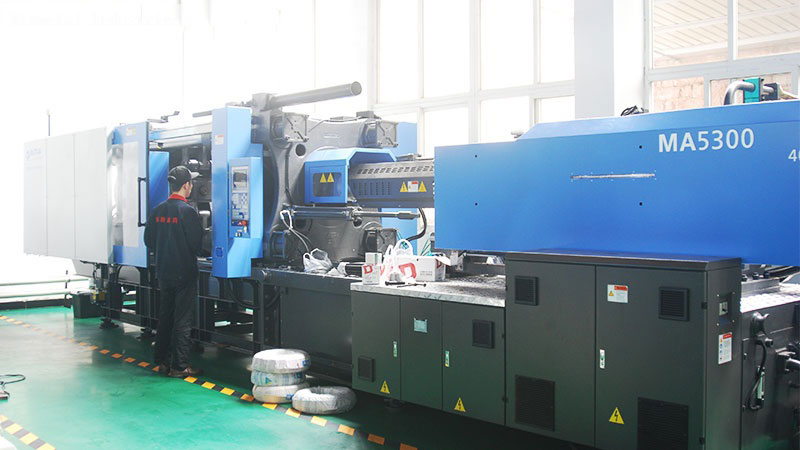
    For overseas buyers, the search for an “injection mold factory near me” often ends with a realization: the most competitive solutions, both in terms of cost and advanced manufacturing capability, are frequently found overseas, specifically in China. However, procuring a critical tool like an injection mold from a different continent is daunting. Concerns about supplier reliability, communication barriers, and quality control from thousands of miles away are valid and pervasive. This guide for 2026 cuts through the uncertainty, providing a strategic, actionable framework for identifying and partnering with top-tier Chinese mold manufacturers. It transforms the generic search into a targeted procurement mission, ensuring you find not just any China mold factory, but a qualified, long-term manufacturing partner.

    The foundational step is moving beyond basic directories and refining your supplier verification process. A simple Google search for “injection mold factory near me” will understandably yield local results, but broadening your horizon to China requires more sophisticated tools. Utilize premier B2B platforms like Alibaba, Made-in-China, or Global Sources, but do so with a critical eye. Filter for suppliers with “Gold Supplier” or “Assessed Supplier” statuses and, crucially, those who have passed independent verification audits. However, verification doesn’t stop there. The most critical action is to examine their project portfolio. A professional China mold factory will have a detailed gallery showcasing molds they have built, often with videos of the mold in operation and shots of the final produced parts. Look for experience in your specific industry—whether automotive, medical, consumer electronics, or packaging. This initial deep dive separates marketing-oriented agents from genuine, technically capable manufacturers.

    Once you have a shortlist, technical and commercial communication becomes the linchpin of success. Your first inquiries should separate the responsive from the reactive. Provide a clear, concise request for quotation (RFQ) package including a 3D part file (STEP or IGS), desired material, expected annual volumes, and a target part cycle time. Observe how they respond. Do they ask intelligent questions about draft angles, surface finish specifications, tolerance requirements, or potential design for manufacturability (DFM) improvements? A qualified injection mold supplier will provide a preliminary DFM report, highlighting potential issues and suggesting optimizations for cost, quality, and longevity. This phase is not just about price comparison; it is a test of their engineering expertise and proactive communication style, which are far more valuable over the mold’s lifecycle.

    The core of mitigating risk lies in implementing a rigorous, multi-stage quality control protocol that you own and manage. Never assume quality will be managed for you. For overseas buyers, a clear QC plan is non-negotiable. Start with a First Article Inspection (FAI). Upon mold completion, mandate a sample molding trial at the factory. Insist on a live video call during the trial run. Witness the mold operation, part ejection, and initial sample production yourself. Key deliverables from this stage should be a detailed inspection report (with CMM data for critical dimensions), photographs, and sample parts shipped to you for hands-on verification. Many top suppliers offer this as standard. Furthermore, consider engaging a local third-party quality inspection firm in China for critical milestones, especially for the initial Pre-Production Sample (PPS) run. This layered approach to quality control provides objective validation and prevents costly surprises upon delivery.

    Finally, view the partnership through a strategic, long-term lens. The goal is not to purchase a single injection mold but to secure a reliable source for your tooling needs. Discuss post-sales support explicitly. What is their policy on mold modification? How is wear and tear on critical components handled? Do they provide mold maintenance recommendations? Understanding their approach to these issues is crucial. Furthermore, for long-running projects, discuss their capacity for mold storage and maintenance. A forward-thinking China mold factory will act as a custodian of your tooling asset, ensuring it is production-ready for future orders. Building this relationship, founded on clear communication, verified quality, and mutual respect, turns a distant supplier into what feels like a trusted “injection mold factory near me,” regardless of geography.

    In conclusion, the journey to find the best injection mold suppliers in China for 2026 is a structured process of diligent verification, technical collaboration, and uncompromising quality oversight. By moving beyond price as the sole criterion and focusing on engineering dialogue, transparent validation during trials, and a clear framework for long-term partnership, overseas buyers can confidently navigate the Chinese manufacturing landscape. The result is access to world-class mold-making expertise and cost efficiency, coupled with the reliability and quality assurance demanded by global markets. This strategic approach effectively bridges the distance, making a proficient Chinese manufacturer a seamless and dependable extension of your own production team.

    Work With Us

    As a professional China mold manufacturer, we provide one-stop mold solution for overseas buyers.
    📞 Phone: +86-18605944639
    💬 WhatsApp: +8618605944639
    🌐 Website: bestmoldworks.com
    📧 Email: [email protected]
  • Create custom molds: Reliable Manufacturers Guide 2026

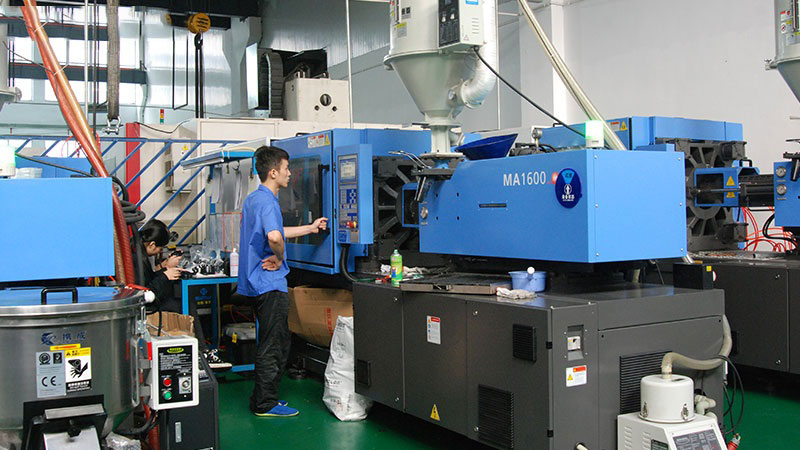
    For overseas buyers, the decision to create custom molds in China represents a significant strategic advantage, offering unparalleled cost efficiency and manufacturing scalability. However, the path from concept to a perfect, production-ready mold is fraught with potential challenges, from communication gaps to quality inconsistencies. As we look toward 2026, the landscape is more competitive and transparent than ever, demanding a refined, professional approach to procurement. This guide is designed to cut through the noise, providing actionable, real-world strategies to help you identify, vet, and partner with a reliable China mold factory, ensuring your injection mold project is a success from the first drawing to the final part.

    The foundation of a successful partnership lies in meticulous supplier verification, a process that extends far beyond a simple website check. In 2026, due diligence is multi-layered. Start with a deep dive into the manufacturer’s technical capabilities. Request detailed case studies that match your industry—whether automotive, medical, consumer electronics, or packaging. A professional China mold factory will readily share videos of molds in operation, close-up shots of finished mold surfaces, and examples of complex part geometries they have achieved. Crucially, verify their expertise in the specific type of mold you need, be it high-precision injection mold for engineering plastics, multi-cavity systems, or molds with advanced hot runner technology. Utilize video call platforms to conduct virtual factory tours; insist on seeing their machining centers (EDM, CNC), mold fitting areas, and quality control labs in real-time. This step filters out trading companies and reveals the true technical partner.

    Once a shortlist of potential partners is established, the focus shifts to precision in communication and technical alignment. The single greatest risk in custom mold manufacturing is ambiguity. To create custom molds effectively, you must provide a comprehensive and clear Request for Quotation (RFQ) package. This should include not just 3D part files (STEP or IGS) and 2D drawings with critical dimensions and tolerances clearly marked, but also material specifications for the final plastic part, expected annual volumes, and lifecycle expectations. Clearly state your requirements for mold steel (e.g., pre-hardened 718, hardened S136), surface finish (SPI standards), and any special features like lifters, sliders, or cooling line specifications. A professional manufacturer will review this package and respond with a detailed mold design proposal, often a 3D assembly drawing, for your approval before any steel is cut. This collaborative design review phase is where potential issues are solved on paper, not on the machining floor, saving immense cost and time.

    Procurement from overseas hinges on a robust and transparent quality control framework, agreed upon before order placement. Your purchase order should explicitly outline the Quality Control (QC) milestones and the inspection reports required at each stage. For an injection mold, standard checkpoints include: a First Article Inspection (FAI) after mold trial using pre-production materials, a detailed mold dimensional report, and a final sampling inspection with CMM reports for critical part dimensions. Specify that you require high-resolution photos and videos of the first shots, including parts with and without flash, and documentation of the process parameters used. Many reputable factories now offer third-party QC integration or allow for your appointed inspector to witness the final sample trials. This proactive approach to quality control transforms the process from a hopeful gamble into a managed, evidence-based procedure, ensuring the mold meets your specifications upon arrival.

    Navigating commercial terms and logistics requires a clear-eyed understanding of total cost and risk. While unit price is important, the Total Cost of Ownership (TCO) is paramount. A slightly higher quote from a manufacturer with in-house hardening, precision grinding, and a full QC lab may offer far better value than a low initial cost that leads to costly revisions and downtime. For procurement in 2026, Incoterms are critical. FOB (Free On Board) is commonly preferred, as it transfers risk and control to you once the mold is loaded onto the vessel. Ensure you understand all cost breakdowns: mold cost, trial cost, and packaging. Discuss post-sales support upfront—what is the warranty period? How are engineering changes handled? What are the terms for mold repair or maintenance? A reliable partner will have clear, fair policies on these points, viewing the mold as the start of a long-term relationship for producing parts, not just a one-time transaction.

    The final, and often most telling, phase is the sample approval and production launch support. A trustworthy manufacturer understands that the project is not complete until you have approved samples from mass-production conditions. They should be willing to run multiple trials, adjusting parameters to achieve optimal part quality, and ship these samples to you for thorough evaluation. Pay close attention to their responsiveness and problem-solving attitude during this phase. It is the ultimate test of their commitment. Furthermore, discuss their data package delivery: you should receive a complete set of mold drawings, maintenance instructions, and recommended injection molding parameters. This comprehensive handover empowers you or your chosen molding partner to run the tool effectively for years to come, protecting your investment.

    To create custom molds in China successfully in 2026 is to execute a disciplined, professional procurement process built on verification, clarity, and shared standards. The market rewards buyers who move beyond price-shopping and instead seek true manufacturing partners. By rigorously applying these steps—deep supplier verification, crystal-clear technical communication, structured quality control protocols, and comprehensive commercial planning—you mitigate the inherent risks of overseas sourcing. The result is more than just a precision tool; it is a competitive advantage that enables innovation, cost control, and market agility. Your journey begins with research, but its success is defined by the strategic partnerships you build with capable and reliable Chinese mold manufacturers.

    Work With Us

    As a professional China mold manufacturer, we provide one-stop mold solution for overseas buyers.
    📞 Phone: +86-18605944639
    💬 WhatsApp: +8618605944639
    🌐 Website: bestmoldworks.com
    📧 Email: [email protected]
  • Custom silicone Mold manufacturer: Best Suppliers & Qua 2026

    For overseas buyers and product developers, sourcing custom silicone molds represents a critical step in bringing innovative designs to market efficiently and cost-effectively. China remains the global epicenter for precision mold manufacturing, offering unparalleled expertise and scalability. However, navigating this complex landscape to identify the best suppliers and ensure uncompromising quality requires a strategic, informed approach. This guide is designed to provide actionable, real-world strategies for your procurement process in 2026, moving beyond simple directories to solve the core challenges of supplier verification and quality assurance.

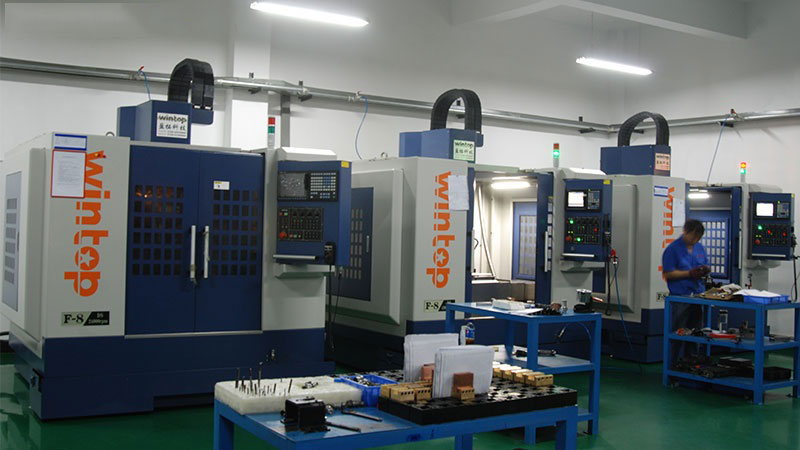
    The foundation of a successful import project lies in meticulous supplier verification. The term “China mold factory” encompasses a vast spectrum, from highly automated facilities serving global brands to smaller workshops with limited capabilities. Your first task is to move beyond Alibaba listings. Initiate video calls to request live virtual factory tours, focusing on their workshop floor, machinery, and cleanliness—critical for silicone mold production. Scrutinize their portfolio for projects similar in complexity and volume to yours. A professional custom silicone mold manufacturer will readily provide detailed case studies and contactable references from other overseas clients. Furthermore, verify business licenses and export histories. In 2024, leading factories are increasingly transparent, often holding IATF 16949 or ISO 9001 certifications specific to quality management systems, a key indicator of their commitment to standardized processes.

    Once a shortlist of potential partners is established, the focus shifts to technical clarification and communication. Silicone molding, while sharing principles with plastic injection mold processes, has distinct requirements for material flow, curing, and tolerance. Provide potential suppliers with a comprehensive and clear technical data package. This should include 3D CAD files (STEP or IGS format), 2D drawings with critical dimensions and tolerances clearly marked, material specifications for the silicone you intend to use, and expected production volume. Discuss their experience with similar materials, as the shore hardness and viscosity can drastically affect mold design. A proficient China mold factory will ask informed questions about your part design, potentially suggesting design for manufacturability (DFM) improvements to reduce cost, enhance mold life, or improve part quality. This collaborative dialogue is a strong indicator of expertise and a proactive partnership approach.

    The core of your risk mitigation strategy is a robust, multi-stage quality control protocol. Never assume quality; build verification into every step. Insist on a First Article Inspection (FAI) report before mass production begins. This involves the supplier measuring the first samples from the mold against all your dimensional specifications and providing a documented report. For critical projects, engage a third-party quality inspection service in China to conduct an on-site inspection during the sample approval phase and again at pre-shipment. They can check for defects like air bubbles, incomplete filling, dimensional inaccuracies, and surface finish issues. Discuss the supplier’s internal quality control processes: how do they inspect core and cavity dimensions? What is their procedure for mold trial and testing? A reliable custom silicone mold manufacturer will have a transparent QC flowchart and welcome your specified inspection points, understanding that this protects both parties and ensures a smooth production run.

    Understanding the total cost and project timeline structure is vital for planning and avoiding hidden expenses. While unit price is important, evaluate the quotation comprehensively. A detailed quote should break down costs for mold design, mold base and materials, cavity/core machining, mold trials, and per-unit part price. Be wary of suspiciously low quotes; they often indicate inferior steel quality or skipped machining steps that will lead to premature mold failure. Regarding logistics, clarify incoterms—typically EXW, FOB, or CIF. For delicate and heavy molds, professional packing in custom wooden crates is non-negotiable. Factor in shipping, insurance, and potential import duties. Establish a clear project timeline with milestones for design review, mold fabrication, first trial, sample approval, and final delivery. A professional partner will provide regular updates and proactively communicate any delays, allowing you to manage your supply chain effectively.

    Finalizing a successful partnership extends beyond the first order. Before committing to large-scale production, order a prototype or a small batch. Physically test these samples in your intended application for functionality, durability, and material compliance. This real-world testing is the ultimate validation. Furthermore, discuss post-sales support. What is their policy on mold modification if your design has a minor change? How do they handle mold maintenance and repair? A forward-looking supplier interested in a long-term relationship will offer reasonable terms for mold storage and maintenance. Building a relationship with a trustworthy China mold factory is an investment. Consistent communication, fair negotiations, and clear expectations pave the way for a partnership that can scale with your business, turning your procurement process into a competitive advantage.

    In conclusion, sourcing from a top-tier custom silicone mold manufacturer in China in 2026 is a highly viable strategy that balances cost, quality, and innovation. The journey from sourcing to delivery hinges on diligent supplier verification, crystal-clear technical communication, unwavering commitment to quality control, and a comprehensive understanding of costs and logistics. By implementing these actionable steps, you transform the procurement process from a potential risk into a streamlined, reliable pillar of your product development cycle. The best suppliers are those who act as true extensions of your engineering team, ensuring that the molds you import are not just tools, but foundations for product excellence and market success.

    Work With Us

    As a professional China mold manufacturer, we provide one-stop mold solution for overseas buyers.
    📞 Phone: +86-18605944639
    💬 WhatsApp: +8618605944639
    🌐 Website: bestmoldworks.com
    📧 Email: [email protected]
  • mold factory near me: Ultimate Guide for Buyers 2026

    For overseas buyers, the search for a reliable “mold factory near me” often leads to a global marketplace, with China standing as the undisputed hub for precision tooling and competitive manufacturing. However, the geographical and cultural distance can transform procurement into a complex challenge. This guide for 2026 moves beyond basic directories to provide a strategic framework for identifying, vetting, and partnering with the right China mold factory. We will solve real problems in supplier verification, communication, quality control, and logistics, turning the abstract concept of overseas sourcing into a manageable, profitable process.

    **Redefining “Near Me”: Strategic Supplier Identification in 2026**

    In today’s connected world, “near me” is less about physical proximity and more about operational closeness. Your goal is to find a China mold factory that feels like a local partner. Begin by leveraging modern platforms beyond generic search engines. Utilize industry-specific B2B platforms like Global Sources or Made-in-China, but with a critical eye. More importantly, tap into professional networks on LinkedIn and industry forums where shared experiences and referrals are invaluable. Focus your search on specialized industrial clusters within China, such as Ningbo for plastic injection molds or Dongguan for precision engineering. This cluster effect often ensures a concentrated pool of expertise, competitive pricing, and robust supply chains, effectively bringing the factory “closer” to your operational needs through specialization and efficiency.

    **The 2026 Verification Protocol: Due Diligence That Matters**

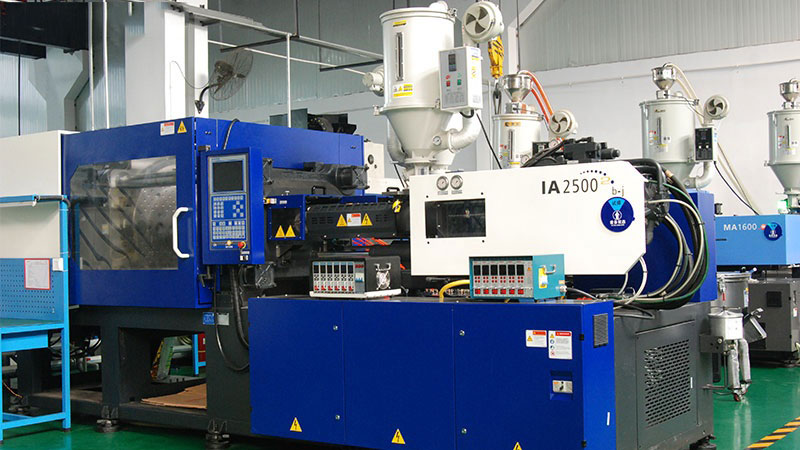
    Finding a potential supplier is only the first step; rigorous verification is your primary shield against risk. A modern procurement strategy demands a multi-layered approach. First, conduct a thorough background check: verify business licenses, export history, and any relevant certifications (e.g., IATF 16949 for automotive). Second, move beyond staged factory tours. Insist on a live video audit of the production floor. This 2026 standard practice allows you to assess machinery (like CNC, EDM), workshop organization, and in-process quality measures in real-time. Third, investigate their engineering capability. Request and review design files (DFM reports) for past projects similar to your injection mold needs. Finally, secure and contact at least two references from previous overseas clients. Direct conversations about communication, problem-solving, and on-time delivery are irreplaceable.

    **Mastering Technical and Commercial Alignment**

    Clear communication is the bridge that closes the geographical gap. Your technical package is the foundation. It must be impeccable: include detailed 3D CAD models, comprehensive material specifications, tolerance requirements, and expected part volumes. A vague RFQ will result in inaccurate quotations and future conflicts. When discussing commercial terms, adopt Incoterms 2026 standards precisely. Define responsibilities clearly: Is the mold factory handling FOB port charges, or are you arranging EXW? Understand all cost components—mold cost, sample cost, payment terms (a 50/50 split is common), and maintenance/warranty policies. Utilize collaborative project management tools (like Trello or Asana) or dedicated platforms to track milestones, share documents, and maintain a single source of truth, ensuring everyone, from procurement to engineering, is aligned.

    **Implementing Proactive Quality Control from Design to Shipment**

    Quality cannot be inspected into a product; it must be built into the process. For a China mold factory, your quality control protocol must start at the design stage. Participate in the Design for Manufacturability (DFM) review to preempt issues. During manufacturing, define and agree upon Critical Control Point inspections. These typically include: steel material certification, first article inspection after machining, pre-assembly fit-check, and a Trial Run Report (T1) with sample parts. For high-value projects, engage a local third-party quality inspection firm to conduct these checks on your behalf. Their report should include dimensional analysis, material verification, and functional testing of the molded samples. This objective oversight ensures the injection mold meets all specifications before it leaves the factory, preventing costly rework after shipment.

    **Navigating Logistics and Building a Partnership for the Future**

    The journey concludes with successful logistics and an eye on long-term collaboration. Work with your mold factory to ensure professional mold packaging—proper soft coating for corrosion prevention and secure, crated shipping to prevent transit damage. Understand lead times realistically, factoring in design finalization, manufacturing, sampling, and revisions. For your first project, consider starting with a smaller, less complex mold to test the partnership. Upon successful completion, focus on relationship management. A reliable China mold factory is a strategic asset. Provide clear feedback, settle payments promptly, and discuss future projects. This fosters trust and can lead to priority service, better pricing, and a truly collaborative “partner” that feels like a mold factory near me, regardless of the miles on the map.

    **Conclusion: Your Strategic Advantage in 2026**

    Importing molds from China in 2026 is not merely about finding the lowest cost; it is about executing a disciplined strategy to secure high-quality tooling and a reliable manufacturing partner. By redefining your search to focus on specialized clusters, implementing a robust verification protocol, enforcing clear communication and commercial terms, insisting on proactive quality control, and managing logistics strategically, you transform the inherent challenges of distance into a competitive advantage. The ultimate goal is to integrate a capable China mold factory so seamlessly into your supply chain that they become the most reliable and responsive “factory” in your global network. Begin your next procurement project with this framework, and build the foundation for quality, efficiency, and growth for years to come.

    Work With Us

    As a professional China mold manufacturer, we provide one-stop mold solution for overseas buyers.
    📞 Phone: +86-18605944639
    💬 WhatsApp: +8618605944639
    🌐 Website: bestmoldworks.com
    📧 Email: [email protected]
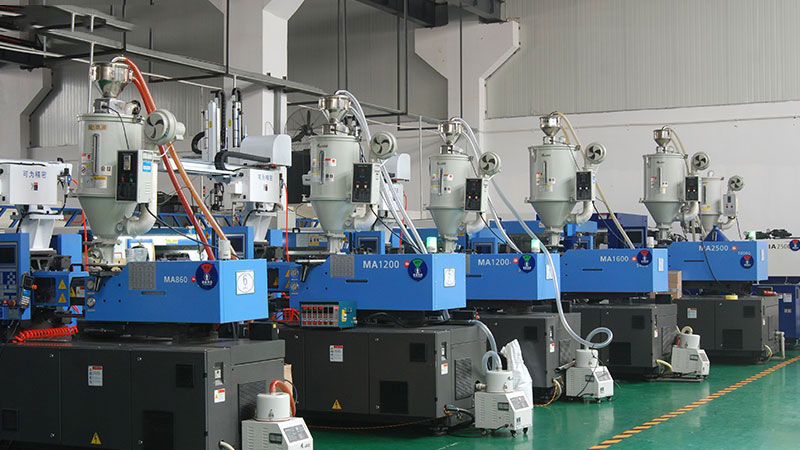
  • where can i get a plastic mold made: Expert Tips & Sol 2026

    For overseas buyers, the question “where can i get a plastic mold made” is often the starting point for a complex and critical procurement journey. The global manufacturing landscape, particularly in plastic injection molding, has been decisively shaped by China’s expertise, capacity, and cost-effectiveness. However, navigating this market to find a reliable partner requires more than a simple directory search; it demands a strategic approach tailored for 2026’s competitive and technologically advanced environment. This guide provides actionable, professional insights to help you identify and collaborate with the right China mold factory, ensuring your project’s success from concept to production.

    The foundational step in answering “where can i get a plastic mold made” is conducting thorough supplier verification. In 2026, due diligence goes beyond checking a website. Start with deep digital reconnaissance: analyze their portfolio for projects similar in complexity and industry to yours. Utilize professional B2B platforms like Alibaba, Made-in-China, or Global Sources, but treat them as starting points, not final destinations. Crucially, verify business licenses and export records. Request a virtual factory tour via video call—a standard practice among reputable suppliers. This allows you to assess their machinery, workshop organization, and engineering team in real-time. Checking for international quality management system certifications like ISO 9001:2015 is non-negotiable. Furthermore, ask for and actually contact past overseas clients. A trustworthy China mold factory will provide references, offering you invaluable insight into their communication, reliability, and after-sales service.

    Once you have a shortlist, the focus shifts to technical evaluation and transparent communication. Your target is not just a manufacturer, but a solutions provider. Initiate contact with a detailed Request for Quotation (RFQ). This should include comprehensive 3D drawings (STEP or IGS format), material specifications, expected annual volumes, and critical quality requirements. Observe how each supplier responds. Do they ask clarifying technical questions? Do they offer constructive feedback on your design for manufacturability (DFM)? A competent partner will provide a formal DFM report, suggesting modifications that can reduce cost, improve mold life, or enhance part quality. Discuss their standard mold flow analysis process; this simulation is essential for predicting and preventing defects in the final injection molded parts. Clear communication about timelines, payment terms (avoid 100% upfront payments), and intellectual property protection agreements is paramount at this stage.

    Procurement strategy must include a rigorous, multi-stage quality control protocol. The lowest quote can become the most expensive if it compromises on quality. Define your quality standards explicitly, referencing international systems like DME or HASCO for mold components. Insist on a staged inspection process. The first critical stage is the First Article Inspection (FAI) after the mold trial. You or a trusted third-party inspection agency should review sample parts against your dimensional drawings and cosmetic standards. The second stage is a pre-shipment inspection of the finished mold itself, checking for workmanship, hardness, and functionality. Many leading mold factories in China now offer real-time quality documentation portals, where you can access inspection reports, photos, and videos throughout the build process. This transparency is a hallmark of a professional operation and mitigates the risk of receiving a non-conforming product.

    For overseas buyers, understanding the total cost of ownership is vital. The unit price of the injection mold is just one component. Consider logistics, import duties, and potential maintenance. In 2026, partnering with a supplier that offers a “mold trial + sample shipment” service is highly advisable. This allows you to test production samples in your home country before authorizing the bulk shipment of the mold. Furthermore, discuss post-sales support. Will the factory store your mold? What are their terms for mold repair and maintenance? A reliable partner views the mold as the beginning of a long-term relationship for your ongoing production needs, not a one-time transaction. They should be willing to commit to support contracts and provide spare parts for wear items like cores and ejector pins.

    Ultimately, the most strategic solution for many businesses is to build a partnership rather than simply make a purchase. The ideal answer to where can i get a plastic mold made is a China-based partner who acts as an extension of your engineering team. This involves moving from a transactional dynamic to a collaborative one. Schedule regular technical sync-ups. Consider visiting the factory in person for major project milestones—this builds trust and facilitates clearer understanding. Invest in relationship management; cultural understanding and clear communication channels prevent misunderstandings. A true partner will proactively update you on new technologies, such as conformal cooling or advanced steel options, that could benefit future projects, ensuring your competitive edge in the market.

    In conclusion, sourcing a plastic injection mold from China in 2026 is a process defined by strategic verification, technical collaboration, and quality vigilance. The journey from asking “where can i get a plastic mold made” to holding a high-precision tool in your facility is paved with detailed research, clear communication, and a partnership mindset. By meticulously verifying suppliers, engaging in deep technical discussions, implementing stringent quality control, and viewing the transaction as the start of a long-term collaboration, overseas buyers can confidently tap into China’s manufacturing excellence. This approach transforms a complex procurement challenge into a significant competitive advantage, delivering not just a mold, but a foundation for quality production and market success.

    Work With Us

    As a professional China mold manufacturer, we provide one-stop mold solution for overseas buyers.
    📞 Phone: +86-18605944639
    💬 WhatsApp: +8618605944639
    🌐 Website: bestmoldworks.com
    📧 Email: [email protected]

  • Create custom molds: Complete Procurement Guide 2026

    For overseas businesses, the decision to create custom molds in China remains a powerful strategy for achieving significant cost savings, accessing advanced manufacturing capabilities, and accelerating product development. However, navigating this complex procurement landscape requires updated knowledge and a strategic approach to mitigate risks and ensure a successful partnership. This 2026 guide is designed to provide you with a professional, actionable framework for procuring high-quality custom injection molds from China, focusing on solving real-world problems faced by international buyers.

    The foundation of a successful project lies in selecting the right China mold factory. The market is vast, with suppliers ranging from small workshops to highly automated, technologically advanced manufacturers. Your first critical step is to move beyond simple Alibaba searches and engage in deep supplier verification. Prioritize factories with demonstrable expertise in your specific industry, whether it be automotive components, medical devices, consumer electronics, or packaging. Examine their portfolio for projects of similar complexity and material use. In 2026, a reliable supplier should readily provide virtual factory tours, have certifications relevant to your market (such as ISO 9001, IATF 16949 for automotive), and possess in-house capabilities for critical processes like mold flow analysis (using software like Moldflow) and Coordinate Measuring Machine (CMM) inspection. This initial due diligence filters out incapable partners and aligns you with a manufacturer whose technical proficiency matches your project requirements.

    Once a potential partner is identified, the procurement process must be anchored by crystal-clear technical communication. Ambiguity in design specifications is the primary cause of cost overruns, delays, and unsatisfactory mold quality. To create custom molds effectively, you must provide a comprehensive design package. This includes not only finalized 3D CAD files (in a universal format like STEP or IGES) but also a detailed technical specification document. This document should explicitly state the expected annual production volume, the chosen plastic material (including grade and supplier if critical), cosmetic finish requirements (SPI standards), tolerance levels, and the planned injection molding machine parameters. Clearly defining gate locations, ejection mechanisms, and cooling channel expectations at this stage prevents costly revisions later. Utilizing collaborative project management tools and insisting on a formalized Design for Manufacturability (DFM) review process are non-negotiable best practices for 2026, ensuring both parties are aligned before steel is cut.

    A robust commercial and legal framework protects your investment. The quotation you receive should be broken down transparently, itemizing costs for mold design, materials (steel grade, such as P20, H13, or stainless steel), manufacturing, sampling, and any ancillary services. Understand the payment terms thoroughly; a common and balanced structure is 30-50% deposit, 40-50% after initial sample approval, and the final 10-20% prior to shipment. Never make the final payment before sample approval. The contract must explicitly cover ownership of the mold design and physical tooling, confidentiality of your IP, warranty period for workmanship (typically 12-24 months), and protocols for handling mold modifications and repairs. Establishing these terms upfront formalizes the partnership and provides clear recourse should disputes arise, a critical step often overlooked in the eagerness to begin production.

    Proactive quality control is the single most important factor in determining the success of your procurement. Do not wait until the final sample inspection to engage. Implement a staged inspection protocol. Key milestones include a pre-production meeting to review the DFM, a first article inspection (FAI) of the mold steel cavities and cores before heat treatment, and a Trial Run Report (TIR) with sample parts from the factory. For high-value or high-volume projects, hiring a reputable third-party quality inspection agency in China to conduct an on-site Initial Sample Inspection (ISI) and a Pre-Shipment Inspection (PSI) is a highly recommended investment. They will verify dimensional accuracy, material conformity, and part functionality against your specifications. This hands-on approach to quality control throughout the manufacturing cycle allows for corrective actions early in the process, saving substantial time and money compared to fixing a completed but defective mold.

    The final phase involves managing logistics and fostering a long-term partnership. Discuss shipping terms (Incoterms 2020) explicitly—FOB is commonly preferred as it gives you control over the international freight and insurance. Ensure the mold is properly crated for ocean freight to prevent rust and damage. Upon receipt, conduct your own incoming inspection. A successful project to create custom molds should be the beginning of a valuable relationship. Provide constructive feedback to your supplier, settle final payments promptly, and maintain open communication. A trusted China mold factory becomes an extension of your R&D and production team, capable of supporting future projects, maintenance, and modifications with greater efficiency and understanding of your quality standards.

    In conclusion, procuring custom injection molds from China in 2026 demands a blend of meticulous preparation, strategic partnership, and relentless focus on quality verification. By methodically executing supplier verification, mastering technical communication, solidifying commercial terms, enforcing staged quality control, and planning for logistics, overseas buyers can transform the inherent challenges of offshore procurement into a formidable competitive advantage. The goal is not merely to purchase a tool, but to secure a cornerstone of your product’s quality and manufacturing lifecycle for years to come. With this complete procurement guide as your roadmap, you are equipped to navigate the process with confidence and professionalism.

    Work With Us

    As a professional China mold manufacturer, we provide one-stop mold solution for overseas buyers.
    📞 Phone: +86-18605944639
    💬 WhatsApp: +8618605944639
    🌐 Website: bestmoldworks.com
    📧 Email: [email protected]

  • custom molds reviews: Complete Procurement Guide 2026

    For overseas buyers, the decision to import custom molds from China represents a significant strategic advantage in cost-efficiency and manufacturing scalability. However, the path from concept to a perfect, production-ready mold is fraught with complexities that extend far beyond a simple price quote. In 2026, navigating this landscape requires a modern, diligent approach centered on verified information and structured processes. This guide moves beyond basic custom molds reviews to provide a complete, actionable procurement framework. We will dissect the critical steps—from intelligent supplier verification to rigorous quality control—that separate successful, long-term partnerships from costly procurement mistakes.

    Mastering Supplier Verification Beyond the Surface

    The cornerstone of importing success is selecting the right China mold factory. In the current market, superficial checks are insufficient. Begin with a deep-dive into digital presence: analyze their professional website for technical blogs, detailed case studies, and engineering-focused content rather than just a product catalog. Utilize B2B platforms but cross-reference this information. The most critical step is video verification. Insist on a live video tour of their facility via platforms like Zoom or Teams. This allows you to assess machinery (look for recent CNC, EDM, and CMM equipment), workshop organization, and in-house capabilities, effectively validating the claims made in any custom molds reviews you may have read. Furthermore, request contact information for at least two previous international clients and conduct discreet reference checks focused on communication, problem-solving, and post-sales support.

    Defining Specifications and the Technical Dialogue

    A precise, unambiguous technical specification package is your primary tool for controlling quality and cost. This goes beyond a 3D file. Your package must include: fully detailed 2D drawings with GD&T (Geometric Dimensioning and Tolerancing), material specifications (including steel grade and pre-hardening requirements), cavity surface finish (SPI standards), expected cycle time, and part volume projections. For injection molds, clearly stipulate the gate type, cooling channel design, and ejection mechanism. Present this package to potential suppliers during the request for quotation (RFQ) phase. Their response is a key evaluation metric. A reliable partner will ask numerous clarifying questions, suggest design for manufacturability (DFM) improvements to enhance mold life or simplify production, and provide a detailed breakdown of costs and timelines. A factory that simply quotes without engagement is a red flag.

    Implementing Proactive Quality Control Milestones

    Quality cannot be inspected into a mold; it must be built in through a defined process. Mandate a staged inspection protocol with documented evidence at each milestone. Key stages include: 1) **First Article Inspection (FAI)** of the mold base and critical components, 2) **Trial Run (T1) Report** with video footage of the mold in operation, actual shot parts, and dimensional measurement data against your CAD, and 3) **Pre-shipment Inspection** of the final mold. For critical projects, engage a reputable third-party quality control agency in China for at least the T1 and pre-shipment inspections. They provide an unbiased report on workmanship, material conformity, and part quality. This structured approach transforms quality control from a hopeful final check into a managed, transparent process, mitigating the risk of receiving a non-conforming tool.

    Navigating Logistics, IP Protection, and Payment Terms

    The final hurdles before production are administrative but crucial. For logistics, understand Incoterms 2020 thoroughly. CIF may seem simpler, but FOB gives you greater control over shipping costs and carriers. Ensure the supplier professionally prepares the mold for shipping with proper rust prevention and secure packaging within a wooden crate. Intellectual Property (IP) protection remains a top concern. A robust Non-Disclosure Agreement (NDA) is essential, but its enforceability is strengthened when paired with a detailed contract governing jurisdiction. Staggered payment terms are your leverage. A standard and safer structure is 30-40% deposit, 40-50% upon approval of the T1 sample, and the balance before shipment. This aligns supplier incentives with your project milestones and ensures they are motivated to reach a successful conclusion.

    Building a Partnership for Long-Term Production

    Successful procurement in 2026 views the initial mold purchase not as a transaction, but as the foundation of a manufacturing partnership. Post-delivery support is where true reliability is tested. Discuss and agree upon terms for mold maintenance, repair, and future modifications. A competent supplier will offer guidance on optimal operation parameters and provide spare parts lists. This long-term perspective is the ultimate value of a thorough sourcing exercise. It ensures your injection mold continues to produce high-quality parts efficiently for its entire lifespan, maximizing your return on investment and securing your supply chain.

    Conclusion

    Importing custom molds from China in 2026 demands a blend of technological savvy, rigorous process management, and strategic relationship building. By moving beyond anecdotal custom molds reviews and implementing this structured guide—from forensic supplier verification and crystal-clear technical specifications to staged quality inspections and smart contractual safeguards—you dramatically de-risk your procurement. The goal is to transform a complex international endeavor into a predictable, controlled, and highly advantageous component of your business strategy, yielding not just a tool, but a competitive manufacturing asset.

    Work With Us

    As a professional China mold manufacturer, we provide one-stop mold solution for overseas buyers.
    📞 Phone: +86-18605944639
    💬 WhatsApp: +8618605944639
    🌐 Website: bestmoldworks.com
    📧 Email: [email protected]

  • custom injection molding: Best Suppliers & Quality Cont 2026

    For overseas buyers, China remains the epicenter for manufacturing efficiency and cost-effectiveness, especially for custom injection molding. This process is fundamental for producing high-volume, precision plastic parts across countless industries. However, the journey from concept to a container of flawless parts is fraught with challenges: identifying truly capable partners, navigating communication gaps, and ensuring unwavering quality standards from thousands of miles away. As we look toward 2026, the landscape is evolving. Success is no longer just about finding the lowest bid; it’s about strategic procurement and building partnerships with China mold factories that demonstrate technical prowess, robust systems, and a commitment to transparency. This guide provides actionable, real-world strategies to secure not just a supplier, but a reliable extension of your production team.

    The foundation of a successful project lies in meticulous supplier verification. Moving beyond Alibaba listings is crucial. Start with a deep-dive into the supplier’s specialization. A factory claiming to serve “all industries” often masters none. Seek out injection mold manufacturers with proven experience in your specific sector—be it automotive, medical, consumer electronics, or packaging. Request and scrutinize case studies and part samples that mirror the complexity and material requirements of your project. Utilize video calls to conduct virtual factory tours; observe the organization of the shop floor, the age and maintenance of machinery (look for brands like Haitian, Engel, or Arburg), and the working environment. Crucially, verify business licenses and export credentials. In 2026, leveraging third-party verification platforms for background checks and initial audits is considered a standard, low-risk first step in the procurement process.

    Once a shortlist is established, the technical and commercial dialogue begins. This phase is where clarity prevents costly errors. Provide a comprehensive Request for Quotation (RFQ) package. This should include not just 3D drawings (STEP or IGS format) and 2D technical drawings with GD&T, but also a detailed specification sheet covering the plastic material, expected annual volumes, critical-to-quality dimensions, surface finish requirements (SPI standards), and post-molding operations. A professional China mold factory will respond with a detailed mold design proposal, flow analysis, and a transparent cost breakdown segregating mold cost and part price. Pay close attention to their questions; a good supplier asks detailed, technical questions to fully understand your needs, while a low-cost bidder often remains silent, leading to assumptions and later change orders. This stage filters partners based on technical engagement rather than price alone.

    The most significant leverage point for overseas buyers is implementing a staged quality control protocol, starting at the source. Insist on a First Article Inspection (FAI) and a pre-shipment sample approval process. For the mold itself, define and agree upon a rigorous mold qualification procedure before production begins. This should include a mold trial report with data on process parameters, part measurements against the CAD model (using CMM reports), and high-resolution photos of finished parts. For ongoing production, define the AQL (Acceptable Quality Level) sampling standards for inspections. Partner with a reputable third-party quality control agency in China to conduct these inspections on your behalf. Their unbiased reports on dimensions, appearance, function, and packaging are indispensable. In 2026, leading suppliers are adopting digital tools; request access to real-time production monitoring dashboards or mold trial videos, which greatly enhance transparency and build trust.

    Building a sustainable partnership requires moving beyond a transactional mindset. Clear communication channels are vital. Establish a single point of contact on both sides who is technically fluent. Use collaborative tools for mark-ups and issue tracking. Understand and respect cultural nuances in negotiation and problem-solving, focusing on long-term mutual benefit. Discuss intellectual property protection upfront; a reputable supplier will sign an NDA and demonstrate protocols for securing your designs. Finally, view your chosen injection mold supplier as a strategic partner. Their expertise in design for manufacturability (DFM) can lead to significant cost savings and performance improvements. A successful custom injection molding project in China is the result of thorough vetting, precise communication, rigorous quality control, and a commitment to partnership. By applying these structured approaches, overseas buyers can confidently navigate the market and secure a competitive advantage for 2026 and beyond.

    Work With Us

    As a professional China mold manufacturer, we provide one-stop mold solution for overseas buyers.
    📞 Phone: +86-18605944639
    💬 WhatsApp: +8618605944639
    🌐 Website: bestmoldworks.com
    📧 Email: [email protected]

  • injection molds for plastic part: Best Suppliers & Qua 2026

    For overseas buyers, sourcing injection molds for plastic parts from China remains a compelling strategy to achieve significant cost savings and access advanced manufacturing capabilities. However, the journey from initial inquiry to receiving a flawless mold is fraught with potential pitfalls, from supplier miscommunication to inconsistent quality. As we look toward 2026, the landscape is evolving, with leading Chinese mold factories embracing smarter technologies and higher standards. This guide cuts through the noise to provide actionable, professional strategies for procuring high-quality injection molds that meet your precise specifications, timeline, and budget.

    The cornerstone of a successful import project is rigorous supplier verification. Not all China mold factories are created equal, and the lowest quote often carries hidden risks. Begin your procurement process by moving beyond Alibaba listings. Investigate suppliers through professional B2B platforms like Global Sources or Made-in-China, which often feature more vetted companies. Crucially, verify business licenses and export records. Request a detailed company profile that outlines their specific experience with your industry—whether automotive, medical, consumer electronics, or packaging. A reputable supplier will readily provide case studies and client references. For critical projects, consider hiring a third-party verification service to conduct an on-site audit of the factory’s equipment, such as CNC machining centers, EDM machines, and CMM measuring tools, before any contract is signed.

    Once a shortlist of potential partners is established, mastering the technical and commercial communication phase is vital. The request for quotation (RFQ) package you provide must be exceptionally detailed to avoid assumptions. Include not just the 3D part model (STEP or IGES format) but also a comprehensive specification document covering plastic material type, expected annual volume, part critical dimensions and tolerances, surface finish requirements (SPI standards), and mold lifecycle expectations. Clearly state who will be responsible for mold design—you, a third-party engineer, or the supplier. During negotiations, focus on total cost of ownership, not just the mold price. Discuss payment terms (e.g., 40% deposit, 50% after T1 sample approval, 10% after shipment), project timeline with milestones, and the protocol for design changes. A professional China mold factory will engage in deep technical reviews, not just provide a price.

    Implementing a proactive, multi-stage quality control framework is non-negotiable. Relying solely on final inspection is a recipe for costly delays. Insist on a structured Quality Control Plan agreed upon before production starts. Key inspection points should include: a mold design review (DFM report), steel material certification, cavity and core inspection after machining (using 3D scans and CMM reports), and most importantly, a First Article Inspection (FAI) from the initial trial shots (T1 samples). For high-precision injection molds, mandate that the supplier provides full-dimensional reports and material certificates for the trial shots. Many overseas buyers now use third-party quality inspection firms to conduct critical inspections during the mold-making process and during the T1 sample trial at the factory. This independent verification provides an objective assessment before the mold is shipped.

    The final stages of procurement—sampling, logistics, and after-sales—determine the long-term value of your investment. Never approve a mold for shipment based on pictures or a simple video. Require actual T1 sample parts to be shipped to you for thorough testing and validation in your own facilities or with your end customer. This step may incur additional cost and time but prevents the vastly greater expense of importing a non-functional mold. For logistics, understand Incoterms clearly; FOB Shanghai is common, but you must arrange freight forwarding and marine insurance. Ensure the supplier professionally packs the mold in a wooden crate with proper desiccants and rust prevention. Finally, secure clear after-sales terms. A reliable supplier will offer a warranty period (typically 12-24 months) covering workmanship and materials, and commit to providing ongoing support for maintenance, repairs, or modifications.

    As we advance into 2026, the most successful importers will build strategic, transparent partnerships with their Chinese mold manufacturers. The goal transcends a single transaction; it is about establishing a reliable extension of your production capability. By investing time in thorough supplier verification, precise communication, staged quality control, and careful logistics planning, you mitigate the inherent risks of overseas procurement. The competitive edge gained from accessing China’s expertise in crafting precision injection molds for plastic parts is substantial. By applying these professional and actionable strategies, you can confidently navigate the market, secure a mold that delivers consistent performance, and build a supply chain partnership that drives your product’s success for years to come.

    Work With Us

    As a professional China mold manufacturer, we provide one-stop mold solution for overseas buyers.
    📞 Phone: +86-18605944639
    💬 WhatsApp: +8618605944639
    🌐 Website: bestmoldworks.com
    📧 Email: [email protected]

  • china plastic injection mold manufacturer: Best Suppli 2026

    For overseas buyers, the decision to import molds from China represents a significant strategic advantage, offering unparalleled cost efficiency and manufacturing scalability. However, navigating the vast landscape of suppliers to identify a truly reliable partner is the critical challenge. The quest is not merely to find a vendor but to establish a partnership with a competent china plastic injection mold manufacturer that can deliver precision, consistency, and value over the long term. As we look toward 2026, the market is evolving with greater emphasis on technological integration and transparent collaboration. This guide provides actionable, professional insights to solve the real problems in procurement, helping you verify and select the best supplier for your injection mold needs.

    Conducting rigorous supplier verification is the non-negotiable first step. Moving beyond simple online directories, a deep-dive assessment is required. Begin by scrutinizing the manufacturer’s business licenses and export history; a legitimate partner should readily provide this. Subsequently, evaluate their technical capability through detailed engineering questionnaires. Focus on their experience with materials and industries similar to yours. The most critical action, however, is a virtual or in-person factory audit. Request a live video tour of their production floor. Observe the machinery—are they using modern CNC, EDM, and high-speed milling equipment? Assess the workshop organization and gauge the skill level of their technical team. This direct visibility separates marketing claims from operational reality and is fundamental to mitigating risk in your supply chain.

    Once a potential China mold factory passes initial verification, the focus must shift to a meticulous design and quotation process. A professional manufacturer will not provide a price based solely on a 3D file. They will conduct a formal Design for Manufacturability (DFM) analysis. Insist on this report. A comprehensive DFM will highlight potential issues in part design that could affect moldability, cooling, ejection, or final part strength, proposing practical solutions before steel is cut. When reviewing quotations, compare itemized breakdowns. Look beyond the bottom line to details like mold base standard (LKM, HASCO, etc.), steel grade for each component, cavity surface treatment, and the warranty period for workmanship. Transparent costing at this stage reflects a supplier’s professionalism and prevents costly change orders later.

    Implementing a structured, multi-stage quality control protocol is what separates successful importers from those facing costly failures. Agree on a QC plan before order confirmation. This should include First Article Inspection (FAI) using 3D scanning (CMM) reports to validate dimensional accuracy against your CAD data. Critical stages for inspection include: mold steel material certification, T1 sample approval after initial trial, and a final pre-shipment audit. For higher volumes, consider engaging a local third-party inspection agency to conduct an independent check. This provides an unbiased assessment of the injection mold’s functionality and the quality of mass-produced samples. Clear communication on acceptable quality limits (AQL) for part defects is essential. Document every step with signed reports to ensure accountability and provide a reference for any discussions.

    Effective communication and project management form the backbone of a smooth procurement journey. Recognize and plan for the time zone difference by establishing fixed, regular update meetings—weekly is often ideal. Designate a single point of contact on both sides, preferably a project engineer who understands both the technical and commercial aspects. Utilize collaborative tools for sharing drawings, revisions, and progress photos. Furthermore, understand the commercial terms deeply. While EXW might offer a lower headline cost, FOB shipping terms often provide greater simplicity and control for overseas buyers. Clarify responsibilities for mold ownership, intellectual property protection in the contract, and the process for handling engineering changes. Proactive and structured management prevents misunderstandings and keeps your project on schedule and within budget.

    Looking ahead to 2026, the best suppliers are differentiating themselves through technological adoption and value-added services. When evaluating a china plastic injection mold manufacturer, inquire about their capabilities in areas like conformal cooling channel manufacturing (via 3D metal printing) for reduced cycle times, or their use of advanced simulation software for mold flow and structural analysis. A forward-thinking partner will also discuss sustainability, such as energy-efficient molding processes or material optimization. The goal is to find a supplier that acts as an extension of your R&D team, contributing ideas for cost reduction and performance enhancement, thereby transitioning from a transactional relationship to a strategic partnership.

    Securing the right injection mold supplier in China is a systematic process that balances due diligence with strategic collaboration. By prioritizing thorough supplier verification, demanding engineering rigor, enforcing staged quality control, and managing the project with professional clarity, overseas buyers can confidently unlock the immense value of the Chinese manufacturing ecosystem. As the industry advances toward 2026, aligning with a manufacturer that invests in technology and transparent practices will be the key differentiator. This approach transforms the complex task of international procurement into a reliable driver for product quality, innovation, and competitive advantage in your market.

    Work With Us

    As a professional China mold manufacturer, we provide one-stop mold solution for overseas buyers.
    📞 Phone: +86-18605944639
    💬 WhatsApp: +8618605944639
    🌐 Website: bestmoldworks.com
    📧 Email: [email protected]