Author: moldcustomization

  • Custom molds for candles: Ultimate Guide for Buyers 2026

    For overseas buyers, the journey to create unique, market-differentiating candle products often begins with a critical component: the mold. Sourcing custom molds for candles from China presents a compelling value proposition, combining cost-effectiveness with advanced manufacturing capabilities. However, navigating this landscape requires more than just finding a low price. This ultimate guide for 2026 is designed to provide you with professional, actionable strategies to procure high-quality custom candle molds from China, mitigating risks and ensuring a successful partnership.

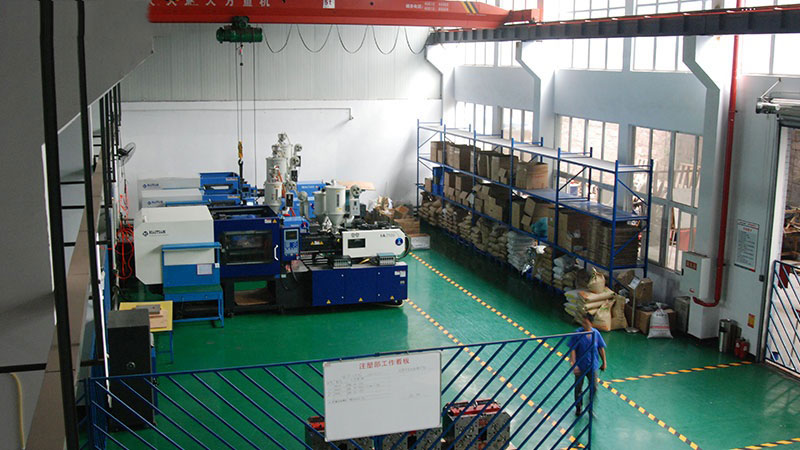
    The foundation of a successful import project lies in meticulous supplier verification. The term “China mold factory” encompasses a vast spectrum, from highly automated facilities to smaller workshops. Your first actionable step is to move beyond online marketplaces and conduct deep due diligence. Request business licenses, inquire about export experience specifically to your region, and ask for detailed case studies of previous custom molds for candles. In 2026, leveraging video calls for virtual factory tours is non-negotiable. Observe the workshop organization, the types of machinery (crucial for identifying if they use suitable injection mold technology for plastics or silicone processing), and their in-house design capability. A reliable factory will transparently discuss material certifications for food-grade or FDA-compliant silicones and metals, a paramount concern for candle safety.

    Once a potential partner is identified, mastering the technical and commercial discussion is key. Clearly define your requirements: candle dimensions, draft angles, undercuts, desired material (aluminum for detailed injection mold production, silicone for flexibility), and expected production volume. Professional Chinese manufacturers will assess your 3D files (STEP or IGS formats are standard) and provide a Design for Manufacturability (DFM) review. This step can prevent costly errors by suggesting modifications for easier demolding and longer mold life. When discussing procurement terms, focus on a comprehensive breakdown: mold cost, unit sample cost, payment schedule (e.g., 50% deposit, 40% pre-shipment, 10% after sample approval), and most critically, the sample approval process. Insist on receiving pre-production samples from the actual mold before authorizing mass production.

    Implementing rigorous quality control (QC) protocols is your primary defense against substandard goods. Do not assume quality; inspect it. For custom molds for candles, your QC checklist must include a First Article Inspection (FAI). This involves measuring the initial samples from the production mold against your technical drawings with precision instruments. Check for dimensional accuracy, surface finish (smoothness affects candle release and finish), and the integrity of any engraved logos or textures. For ongoing orders, employ a trusted third-party inspection service in China to conduct During Production Checks (DIP) and Pre-Shipment Inspections (PSI). They will verify material consistency, weight, color, and functionality. A professional China mold factory will understand and respect this process, as it protects both parties.

    Navigating logistics and fostering a long-term relationship are the final, crucial phases. Understand Incoterms 2020 clearly; FOB (Free On Board) is common, giving you control over shipping and insurance. Ensure all documentation—commercial invoice, packing list, and certificate of origin—is accurate for smooth customs clearance in your country. Consider the mold packaging; it should be crated securely to prevent damage in transit. View your supplier not as a vendor but as a manufacturing partner. Clear communication, timely payments, and reasonable feedback build trust. A successful partnership can lead to priority service, better pricing on future projects, and collaborative problem-solving for new, complex designs.

    In conclusion, importing custom candle molds from China in 2026 is a strategic endeavor that rewards diligent preparation. By prioritizing thorough supplier verification, engaging in detailed technical procurement discussions, enforcing stringent quality control measures, and managing logistics intelligently, you transform a complex overseas sourcing challenge into a competitive advantage. The goal is to secure not just a tool, but a precision instrument that will produce the distinctive candles your market demands. Start your journey with these professional guidelines, and you will be well-positioned to build a profitable and sustainable supply chain with a reliable China mold factory.

    Work With Us

    As a professional China mold manufacturer, we provide one-stop mold solution for overseas buyers.
    📞 Phone: +86-18605944639
    💬 WhatsApp: +8618605944639
    🌐 Website: bestmoldworks.com
    📧 Email: [email protected]
  • mold maker: Complete Procurement Guide 2026 | China Mold Factory

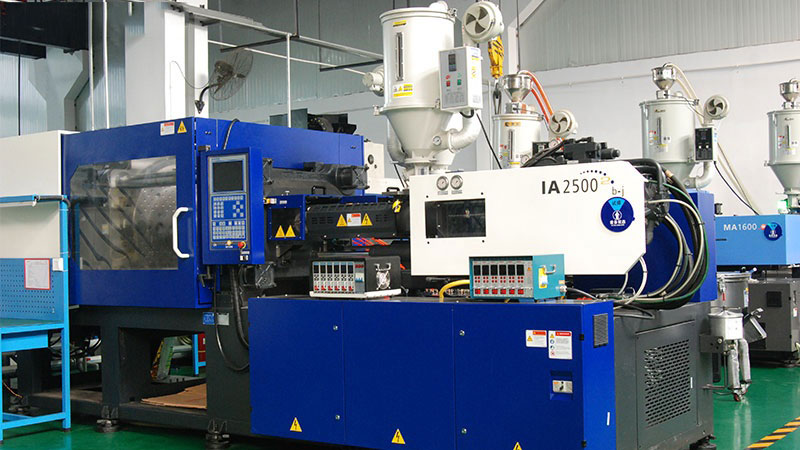
    For overseas buyers, partnering with a skilled mold maker in China remains one of the most strategic decisions to achieve competitive manufacturing. The landscape, however, is nuanced. While the potential for cost savings and high-quality output is significant, navigating the procurement process from afar presents distinct challenges. This guide is designed to cut through the complexity, offering a clear, actionable framework for 2026. We will move beyond simple supplier lists to focus on the verified processes that separate successful, long-term partnerships from costly mistakes. Our goal is to equip you with the knowledge to confidently engage a China mold factory, ensuring your injection mold project meets precise specifications, timelines, and quality standards.

    The foundation of successful procurement lies in meticulous supplier verification. In 2026, due diligence must extend far beyond a website portfolio. Begin by verifying business licenses and export credentials. Subsequently, request and scrutinize detailed case studies for projects similar to yours in material, complexity, and industry. A professional China mold factory will readily provide these. Utilize video conferencing for virtual factory tours; insist on seeing the shop floor, measuring equipment like CMMs, and the mold trial area. Crucially, request direct contact with their project managers or lead engineers to assess technical communication skills. Third-party verification platforms and industry-specific B2B websites with transaction histories can offer additional layers of credibility. Remember, verifying a supplier is an investment that mitigates the substantial risk of poor tooling.

    With a shortlisted pool of verified suppliers, your Request for Quotation (RFQ) package becomes your most critical control document. A vague RFQ invites misinterpretation and variable pricing. For your injection mold, provide a comprehensive package including: detailed 3D part files (STEP, IGS) and 2D drawings with critical dimensions, tolerances, and GD&T clearly called out; specified material type (e.g., PP, ABS, PC) and expected annual volumes; requirements for mold steel grade (e.g., P20, H13, S136) and hardness; expectations for mold life (number of shots); and all part surface finish requirements. Furthermore, explicitly state your requirements for design reviews, milestone payments, and the format for regular progress updates (e.g., photos, videos). This clarity allows mold makers to provide accurate, comparable quotes and demonstrates your professionalism.

    Proactive quality control, integrated from the start, is non-negotiable. Agree on a Quality Control Plan before order placement. This should mandate staged inspections at critical milestones: a first article inspection after mold design completion, raw material certification for the steel, and pre-shipment inspections during and after the mold trial. The trial report is a key deliverable. It must include photos and videos of the trial process, data on process parameters, and samples of the molded parts from the beginning, middle, and end of the trial run. For high-value or high-volume projects, consider engaging a local third-party quality inspection firm to conduct the Final Random Inspection at the factory. This objective assessment of the finished mold and sample parts provides a final gate before shipment, ensuring the output matches the agreed specifications.

    The logistical and commercial framework of your agreement protects your investment. Use a detailed, itemized proforma invoice as the basis for your contract. Payment terms should be structured around project milestones—a common and secure structure is 30-40% deposit, 40-50% upon approval of mold trial samples, and the balance before shipment. For Incoterms, FOB is widely recommended for overseas buyers as it gives you control over the shipping logistics and costs once the mold leaves the factory. Ensure the contract clearly defines ownership of the mold design and tooling. Discuss and agree upon post-sales support: what is the warranty period for workmanship and materials? What are the terms and costs for future mold modifications or repairs? Addressing these points upfront prevents disputes and ensures a sustainable partnership.

    Effective communication and cultural alignment are the glue that binds all technical and commercial steps. Establish a single point of contact on both sides, but ensure you also have direct access to the technical team. Use visual aids—screenshots, annotated drawings, markups—in all communications to eliminate ambiguity. Be mindful of time zones; scheduling regular weekly update calls, even if brief, fosters accountability and proactive issue resolution. Understand that “yes” in a Chinese context may mean “I understand,” not necessarily “I agree.” Encourage open dialogue about challenges and never assume understanding—ask for summaries in their own words. Building this rapport transforms your chosen mold maker from a vendor into a true technical partner invested in your product’s success.

    Sourcing an injection mold from China in 2026 demands a blend of rigorous process and relationship management. The journey from supplier verification to final shipment is paved with detailed documentation, clear communication, and staged quality checks. By adopting this structured approach, you transform procurement from a transactional cost-center into a strategic advantage. You will not only secure a high-quality tool but also forge a partnership with a China mold factory capable of supporting your production needs for years to come. The most reliable mold maker is one vetted through your diligent process, aligned with your quality ethos, and committed to a transparent, collaborative partnership. Start your next project with this framework, and build with confidence.

    Work With Us

    As a professional China mold manufacturer, we provide one-stop mold solution for overseas buyers.
    📞 Phone: +86-18605944639
    💬 WhatsApp: +8618605944639
    🌐 Website: bestmoldworks.com
    📧 Email: [email protected]
  • plastic injection mold factory China: Complete Procurem 2026

    For overseas buyers, sourcing a plastic injection mold factory in China represents a significant strategic advantage, offering unparalleled cost efficiency and manufacturing scale. However, the path from initial inquiry to receiving a perfect, production-ready mold is fraught with potential complexities. The landscape in 2026 demands a more sophisticated, digitally-integrated, and quality-obsessed approach than ever before. This guide cuts through the noise to provide a complete, actionable procurement framework designed to solve real problems and ensure your project’s success.

    Mastering Supplier Verification and Selection

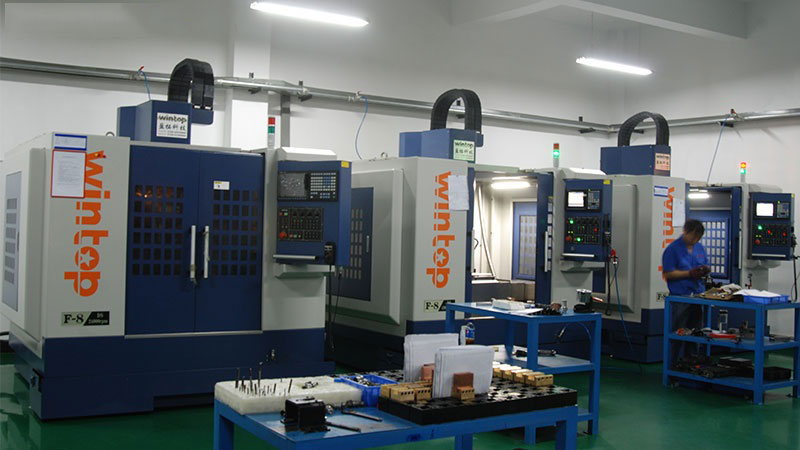
    The foundation of a successful import is a thoroughly vetted China mold factory. Moving beyond simple Alibaba listings is crucial. Begin with a multi-faceted verification process. First, conduct a deep-dive into the factory’s digital footprint: analyze their professional website, seek out detailed case studies, and scrutinize their presence on professional platforms like LinkedIn and industry-specific B2B sites. Second, insist on a live virtual factory tour. This is non-negotiable in 2026. A real-time walkthrough via video call allows you to assess shop floor organization, machinery condition (look for modern CNC, EDM, and CMMS equipment), and in-house capabilities, which reduces the risk of subcontracting without your knowledge. Third, request and contact past international clients. A reliable injection mold supplier will provide references. Ask these references specific questions about communication, problem-solving, and post-sales support.

    Navigating the Technical and Commercial Quotation

    A clear and comprehensive Request for Quotation (RFQ) is your primary tool for ensuring accurate bids and avoiding hidden costs. Your RFQ must include a detailed 3D part design (STEP or IGS format), material specifications, expected annual volumes, and cosmetic requirements (e.g., SPI finish standards). Crucially, for procurement in 2026, you must explicitly define the mold trial and approval process. Specify who provides the trial report (video, high-resolution photos, dimensional data), how many trial shots are included, and the protocol for design modifications. When comparing quotations, look beyond the bottom line. Analyze what is included: is hot runner system from a reputable brand? Are spare parts included? What are the payment terms? A professional China mold factory will provide a transparent, line-item breakdown, fostering trust and enabling a true apples-to-apples comparison.

    Implementing Rigorous Quality Control Gates

    Proactive quality control is the most effective strategy to prevent costly delays and defects. Do not wait until the final inspection. Implement staged QC gates with clear deliverables. Key milestones include a Design Review meeting to approve the mold flow analysis and 2D drawings, a First Article Inspection (FAI) of critical mold components like the core and cavity, and a Pre-Shipment Sample Approval. For the sample approval, insist on receiving actual injection-molded parts from the production mold, along with a full dimensional report. Partnering with a reputable third-party inspection company in China for at least the final pre-shipment inspection is a wise investment. Their objective assessment of the mold’s workmanship, steel hardness, and part conformity provides a critical safety net before the tool leaves the factory floor.

    Managing Logistics, Communication, and Intellectual Property

    The final stages of procurement require meticulous attention to detail. Clearly agree on shipping Incoterms (FOB is common) and ensure the plastic injection mold factory China provides all necessary commercial documents (commercial invoice, packing list, certificate of origin) correctly. Establish a primary and secondary communication channel (e.g., email and a messaging app like WeChat or WhatsApp) and designate a single point of contact on both sides to prevent misinformation. Regarding Intellectual Property (IP), a professional China mold factory will understand your concerns. Formalize IP protection through a signed Non-Disclosure Agreement (NDA) before sharing designs. Furthermore, ensure your contract stipulates that all molds, designs, and associated tooling are your exclusive property.

    Conclusion

    Importing an injection mold from China in 2026 is a process that rewards diligence, clear communication, and strategic partnership. By mastering the steps of rigorous supplier verification, detailed technical scoping, staged quality control, and clear contractual agreements, you transform a complex international procurement into a predictable and highly rewarding venture. The goal is to move beyond a transactional relationship to build a collaborative partnership with a capable China mold factory. This approach not only secures a high-quality tool for your immediate needs but also establishes a reliable manufacturing resource that can support your product development and scaling for years to come. Your success hinges on a systematic, informed, and proactive approach from the very first search query to the final installation of your mold.

    Work With Us

    As a professional China mold manufacturer, we provide one-stop mold solution for overseas buyers.
    📞 Phone: +86-18605944639
    💬 WhatsApp: +8618605944639
    🌐 Website: bestmoldworks.com
    📧 Email: [email protected]
  • import mold from China: Ultimate Guide for Buyers 2026

    For product developers and manufacturing managers worldwide, sourcing precision tooling is a critical step in bringing innovative ideas to market. China has solidified its position as a global leader in mold manufacturing, offering an unparalleled combination of technical expertise, advanced capabilities, and competitive pricing. However, the process of importing molds from China involves navigating a complex landscape of suppliers, quality standards, and logistical challenges. This ultimate guide for 2026 is designed to provide overseas buyers with a professional, actionable roadmap to successfully procure high-quality molds, mitigate risks, and ensure a smooth import process from initial concept to production-ready tooling.

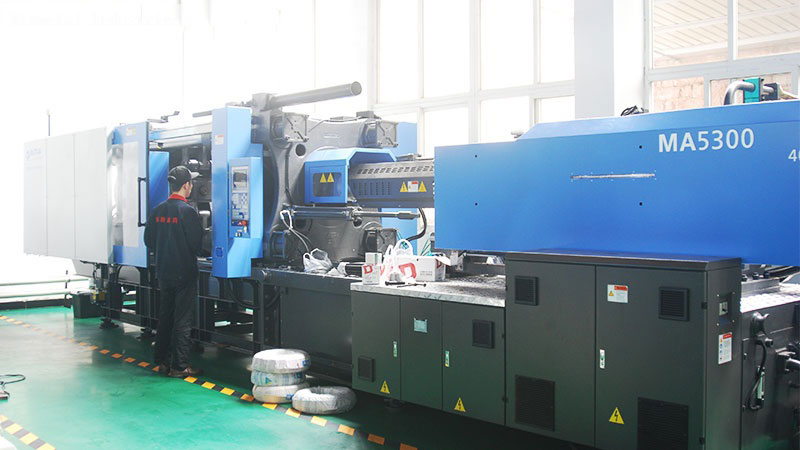
    The foundation of a successful procurement journey lies in meticulous supplier verification. The sheer volume of China mold factory options can be overwhelming, ranging from highly specialized workshops to full-service manufacturing giants. Begin by moving beyond basic online directories and engage in deep due diligence. For critical components like an injection mold, assess a supplier’s technical portfolio with a focus on similar projects in material, complexity, and industry. Request detailed factory audit reports, not just certificates; verify business licenses through official channels, and insist on video tours of their production floor, quality control labs, and testing facilities. In 2026, leveraging professional third-party inspection services for an initial supplier assessment is a prudent investment that can prevent costly mistakes later. Remember, the goal is to build a partnership, not just execute a transaction.

    Once a potential partner is identified, mastering the quotation and technical clarification phase is paramount. A professional China mold factory will provide a detailed breakdown, but understanding it is your responsibility. Scrutinize the mold base material, cavity and core steel grade, expected lifespan, and the scope of services. Does the quote include design for manufacturability analysis, mold flow simulation, sample trials, and necessary revisions? For injection molds, clearly specify gate type, cooling channel design, ejection method, and surface finish requirements. Provide comprehensive 3D drawings and material specifications for the final part. Ambiguity at this stage is the primary cause of disputes. It is advisable to use a structured request for quotation template that mandates point-by-point responses, ensuring you are comparing offers on a truly like-for-like basis.

    Implementing a rigorous, multi-stage quality control protocol is non-negotiable when you import mold from China. Quality must be verified throughout the manufacturing process, not just upon completion. Establish clear milestones for inspection: after material procurement, during rough machining, after heat treatment, and during final assembly. The First Article Inspection is critical. This involves testing the mold at the supplier’s facility to produce initial samples. These samples must be measured against your dimensional drawings and tested for form, fit, and function. For plastic parts, this includes checking for sink marks, warpage, and short shots. Utilize a pre-shipment inspection checklist that covers mold dimensions, plating, markings, and functionality. Many buyers now employ in-process monitoring via shared photos and videos from the shop floor. This proactive approach to quality control fosters transparency and allows for minor corrections before they become major defects.

    Navigating logistics, payment, and intellectual property protection requires strategic planning. Opt for Incoterms that clearly delineate responsibilities; FOB is commonly used, giving you control over shipping and insurance. Ensure the supplier provides a professional packing list and commercial invoice for smooth customs clearance in your country. Payment terms should balance risk; a common structure is 30-50% deposit, 40-60% before shipment, and sometimes a 10% retention after successful sample approval. Protect your intellectual property with a robust Non-Disclosure Agreement and consider registering your designs in China. A well-drafted contract should cover ownership of the mold design, restrictions on duplicate tooling, and liability for delays or non-conformance. This structured approach to procurement safeguards your investment throughout the entire engagement.

    The final step is managing the post-delivery relationship and planning for the future. A reliable supplier is a long-term asset. Upon receiving the mold, conduct a final acceptance test in your facility or with your chosen molder. Document any issues immediately and communicate them clearly to your China mold factory for resolution. Discuss warranty terms upfront—typically 12-24 months for workmanship and materials. Establish clear protocols for mold maintenance, repair, and potential future modifications. Building a successful partnership means viewing your supplier as an extension of your engineering team. Their insights on design optimization for cost and manufacturability can be invaluable for future projects, turning the initial challenge of sourcing into a sustained competitive advantage.

    Successfully importing a mold from China in 2026 demands a blend of technical diligence, process discipline, and cultural partnership. It transcends simply finding the lowest price and evolves into selecting a capable, transparent China mold factory and managing the relationship with professional acumen. By following this guide—emphasizing thorough supplier verification, precise technical communication, staged quality control, and clear contractual agreements—overseas buyers can confidently navigate the complexities of the market. The result is not just a piece of precision tooling, but a reliable foundation for product quality, manufacturing efficiency, and market success for years to come.

    Work With Us

    As a professional China mold manufacturer, we provide one-stop mold solution for overseas buyers.
    📞 Phone: +86-18605944639
    💬 WhatsApp: +8618605944639
    🌐 Website: bestmoldworks.com
    📧 Email: [email protected]
  • custom injection mold maker: Reliable Manufacturers Gu 2026

    For overseas buyers and product developers, sourcing a custom injection mold maker is one of the most critical and high-stakes decisions in the manufacturing journey. The mold is the foundation of your production, dictating part quality, consistency, and long-term cost efficiency. As we look toward 2026, the landscape of manufacturing in China continues to evolve, offering unparalleled expertise and value, but also requiring a more sophisticated and informed approach to procurement. This guide is designed to cut through the noise and provide you with actionable, professional strategies to identify and partner with reliable Chinese mold manufacturers, ensuring your project’s success from the first sample to full-scale production.

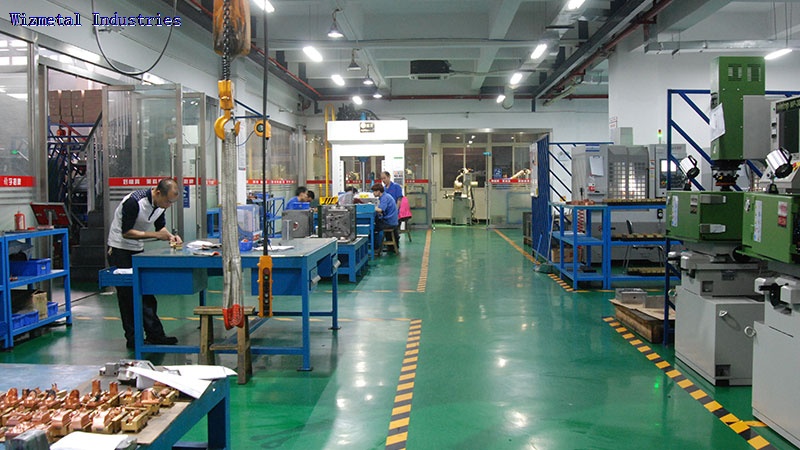
    The cornerstone of a successful partnership lies in rigorous supplier verification. Moving beyond a simple website check or Alibaba profile is non-negotiable. Begin by demanding concrete evidence of capability. A reputable China mold factory will readily provide a detailed portfolio of past projects, preferably with client references in your region or industry. Request to see case studies of molds with similar complexity, size, or material to your project. In 2026, verification also includes assessing their digital maturity. Do they utilize advanced design software like UG NX or CATIA? Can they share 3D mold flow analysis reports? A factory visit, either in-person or via a comprehensive live video tour, is invaluable. This allows you to inspect their machine park for modern CNC, EDM, and high-speed milling equipment, and observe their workshop organization and quality culture firsthand. This step separates true manufacturers from trading companies that outsource the core work, adding risk and communication layers.

    Once a potential partner is identified, mastering the technical and commercial discussion is paramount. A professional custom injection mold maker will engage deeply in the Design for Manufacturability (DFM) process. Be wary of any supplier that quotes immediately without asking detailed questions or proposing design optimizations. Provide a complete 3D part file and material specification, and expect a formal DFM report that addresses potential issues like wall thickness, gate location, ejection, and cooling channel design. When discussing the quotation, ensure it is broken down transparently: mold base cost, cavity and core machining, slider/lifter mechanisms, surface treatments, and trial shot costs. Clarify ownership of the mold design and tooling; terms should be unequivocal. Furthermore, establish the protocol for engineering change orders (ECOs) and their associated costs. A clear, detailed contract covering intellectual property, payment milestones, delivery timeline, and liability is your strongest safeguard.

    Proactive and structured quality control is what defines a successful import project. Do not leave quality to a final inspection before shipment. Integrate QC checkpoints at every critical milestone. The first is the mold steel material certificate to verify grade and hardness. The second is the First Article Inspection (FAI) after the T1 sample shots. This should involve a dimensional report using CMM (Coordinate Measuring Machine) data comparing the produced part against your original CAD drawings. You should also receive full documentation of the mold itself, including pictures and videos of the finished mold, a final inspection report, and a comprehensive mold maintenance manual. For ongoing production, define your Acceptable Quality Level (AQL) standards upfront. Many overseas buyers find value in hiring a local third-party quality inspection firm to conduct pre-shipment inspections, providing an unbiased assessment of part quality and packaging. This layered QC approach mitigates risk and ensures the injection mold performs as expected over its lifespan.

    Effective communication and project management bridge the geographical and cultural gap. Establish a single point of contact on the supplier’s side who is technically fluent in English and understands your project holistically. Utilize collaborative tools for clear tracking. Shared cloud folders for all drawings, reports, and updates, along with regular scheduled video conference calls, keep the project aligned. Discuss and agree on a realistic timeline that includes buffer for revisions. A reliable manufacturer will provide regular progress updates with photos or videos at key stages: after material procurement, rough machining, heat treatment, finishing, and assembly. Understanding cultural nuances, such as the importance of building a respectful business relationship (Guanxi), can significantly smooth interactions. Clear, documented, and consistent communication prevents the vast majority of misunderstandings that can derail a mold project.

    Finally, adopt a strategic mindset for long-term partnership. The most cost-effective mold is not always the cheapest initial quote. Consider the total cost of ownership, which includes mold life, maintenance needs, part consistency, and the supplier’s responsiveness for future modifications or repairs. A partner invested in a long-term relationship will be more proactive in supporting your production needs. Discuss their capacity for future work, such as producing family molds or scaling up to production molding. As we advance into 2026, leading manufacturers are also investing in sustainable practices and smart factory technologies, which can contribute to more stable and efficient production for your parts. Choosing a custom injection mold maker with a forward-looking vision can provide a competitive advantage for your product line for years to come.

    Navigating the procurement of a precision injection mold from China in 2026 demands a blend of due diligence, technical clarity, and strategic partnership building. By implementing a thorough verification process, insisting on transparent technical collaboration, enforcing rigorous quality control protocols, and fostering professional communication, you can confidently secure a reliable China mold factory partner. This disciplined approach transforms the complex challenge of overseas mold sourcing into a predictable and successful pillar of your product development and manufacturing strategy, delivering the quality, reliability, and value that your project requires to thrive in the global marketplace.

    Work With Us

    As a professional China mold manufacturer, we provide one-stop mold solution for overseas buyers.
    📞 Phone: +86-18605944639
    💬 WhatsApp: +8618605944639
    🌐 Website: bestmoldworks.com
    📧 Email: [email protected]

  • China mold manufacturer: Complete Procurement Guide 2026

    For global businesses, sourcing precision tooling from a China mold manufacturer represents a significant strategic advantage, offering a compelling balance of cost, capability, and scale. However, navigating this complex landscape requires more than just finding the lowest quote. The journey from initial concept to receiving production-ready molds at your facility is fraught with potential challenges in communication, quality assurance, and logistics. This guide is designed to cut through the noise, providing you with a professional, actionable framework for successful procurement in 2026. We will move beyond generic advice to solve the real problems faced by overseas buyers, ensuring your partnership with a China mold factory is built on clarity, confidence, and control.

    Mastering Supplier Verification and Selection

    The foundation of a successful import project is a thoroughly vetted supplier. In 2026, due diligence must be digital and deep. Start by moving past Alibaba listings alone. Utilize professional industry platforms like Global Sources or Made-in-China for a more curated search, and leverage LinkedIn to verify the professional backgrounds of key sales and engineering contacts. The critical step is a virtual audit. Insist on a live video tour of the China mold factory floor. Observe the machinery brands (Husky, Arburg, DMG Mori), the organization of the workspace, and the in-process quality checks. Request and verify detailed case studies for projects similar to yours, specifically asking for examples of complex injection mold builds. Crucially, ask for contact information of past overseas clients and actually follow up with them. A reliable manufacturer will be transparent. This phase is not about finding a vendor, but identifying a technical partner.

    Streamlining Technical Communication and RFQ Process

    Ambiguous communication is the primary cause of cost overruns and delays. To solve this, your Request for Quotation (RFQ) package must be impeccably detailed. Beyond 2D drawings, always provide a fully defined 3D CAD model (STEP or IGS format). Include a comprehensive specification document covering mold steel grade (e.g., P20, H13, S136), surface finish requirements (SPI standards), cavity pressure expectations, and target cycle times. For injection molds, specify the gate type, cooling channel layout, and ejection method. Clearly state your quality control protocols upfront, such as requiring a First Article Inspection report and full dimensional report using CMM data. When discussing the quote, ensure it breaks down all costs: mold base, core/cavity machining, hot runner system (brand and type), trials, and packaging for export. This clarity eliminates assumptions, aligns expectations, and allows for an accurate comparison between potential partners.

    Implementing Robust Quality Control from Design to Shipment

    Quality cannot be inspected into a mold; it must be built into every stage. Proactive quality control is your most powerful tool. Require a formal Design for Manufacturability review before steel is cut. A competent China mold manufacturer will provide feedback on draft angles, wall thickness uniformity, and potential sink marks that could affect your final part. During manufacturing, mandate milestone inspections with photo and video evidence. Key checkpoints include: after mold base machining, after EDM/texturing, and after assembly. The most critical phase is the Trial Run. Do not accept edited summary videos. Insist on a full, unedited live stream or recorded video of the entire mold trial, showing part removal, cycle consistency, and any adjustments made. All critical dimensions from the trial shots must be verified against your CMM report. Final pre-shipment inspection should confirm the mold is clean, properly preserved with anti-rust agents, and securely packed in a custom wooden crate.

    Navigating Logistics, Payment, and After-Sales Support

    The final hurdles are administrative but crucial. For logistics, work with the supplier to decide between EXW (Ex-Works) or FOB terms. For high-value molds, FOB is often preferable as it transfers risk to the buyer only after the mold is safely loaded on the vessel. Ensure the supplier has experience in export packing and provides a detailed packing list and commercial invoice for smooth customs clearance in your country. Payment terms are a key negotiation point. Avoid 100% upfront payments. A standard and secure structure is 30-50% deposit, 40-50% after successful trial and approval of sample parts, and the final 10-20% before shipment. This aligns incentives with project milestones. Finally, explicitly define after-sales support. What is the warranty period for workmanship and materials? How are repair or modification requests handled? Who covers the cost of return shipping if a critical issue is found? Document these terms in your purchase agreement.

    Conclusion

    Importing molds from China in 2026 is a process that rewards meticulous planning, proactive communication, and strategic partnership. By transforming your approach from simple price procurement to a managed technical collaboration, you unlock the true value of working with a specialized China mold manufacturer. The steps outlined—rigorous supplier verification, crystal-clear technical communication, embedded quality control, and structured commercial terms—provide a complete framework to mitigate risk and ensure project success. Remember, your goal is not merely to purchase an injection mold, but to secure a reliable production asset that will deliver high-quality parts for years to come. With this guide as your roadmap, you are equipped to build productive, transparent, and profitable relationships with manufacturing partners in China.

    Work With Us

    As a professional China mold manufacturer, we provide one-stop mold solution for overseas buyers.
    📞 Phone: +86-18605944639
    💬 WhatsApp: +8618605944639
    🌐 Website: bestmoldworks.com
    📧 Email: [email protected]

  • injection mold: Best Suppliers & Quality Control 2026

    For overseas buyers, procuring a high-quality injection mold from China remains one of the most impactful decisions for product development and manufacturing. The potential for significant cost savings and access to advanced technical expertise is compelling. Yet, the journey is fraught with challenges: navigating a vast and varied supplier landscape, ensuring precise technical execution, and maintaining rigorous quality standards from afar. This guide for 2026 cuts through the complexity, offering a strategic, actionable framework for identifying the best China mold factory and implementing a bulletproof quality control regimen. Our focus is not just on finding a supplier, but on forging a partnership that delivers a flawless injection mold, on time and to specification.

    The cornerstone of successful procurement is meticulous supplier verification. In 2026, moving beyond Alibaba listings and basic website reviews is non-negotiable. Start with a deep technical audit. Request detailed case studies of molds similar in complexity, material, and volume to your project. A competent China mold factory should readily provide these, along with client references you can contact directly. Verify their engineering capabilities: do they use advanced design software like Moldflow for simulation? What is their standard tool steel sourcing, and can they provide material certificates? Crucially, insist on a video conference facility tour. A live walkthrough of their workshop reveals more than any brochure can—observe the condition of their CNC, EDM, and mold testing machines, their shop floor organization, and their team’s workflow. This step separates marketing from manufacturing reality.

    Once a potential partner is shortlisted, the procurement phase transitions to technical precision. Your Request for Quotation (RFQ) package must be exhaustive. Beyond part drawings, include a comprehensive mold specification sheet covering: mold base standard (LKM, HASCO, DME), cavity and core steel grade and hardness, surface finish requirements, cooling channel design, ejection system, and expected cycle time. Clearly define tolerances and critical dimensions. For the initial injection mold, discuss and agree upon a Design for Manufacturability (DFM) review process. The best suppliers will proactively suggest design optimizations to improve moldability, reduce cost, and enhance longevity. This collaborative engineering stage is where a true partner adds value, preventing costly revisions later. Formalize all agreements, including payment terms linked to milestones (e.g., 30% upon order, 40% after T1 sample approval), in a detailed contract.

    Implementing staged quality control gates is the only way to de-risk your investment. A “wait-and-see” approach at final inspection is a recipe for disaster. Demand a structured QC protocol aligned with key production milestones. The first critical gate is the First Article Inspection (FAI) after mold trial (T1). You or your appointed third-party inspector must physically check the mold dimensions against the CAD data and the sample parts against your master sample or CAD. Use a detailed Dimensional Report (DR) and a Process Capability (Cpk) report for critical features. The second gate is the Pre-Shipment Inspection (PSI), where the final production-ready injection mold is verified for workmanship, completeness of components, and a final production run to confirm consistency. For 2026, leverage technology: require high-resolution photos and videos of inspection points, and utilize augmented reality tools for remote real-time inspections if an on-site visit isn’t feasible.

    Building a sustainable partnership extends beyond the first order. The most reliable China mold factory relationships are built on clear communication and long-term alignment. Establish a single point of contact who is technically fluent in English and understands your quality expectations. Use collaborative project management tools to track progress transparently. Discuss their maintenance and repair services—will they provide spare parts and technical support for the mold’s lifecycle? Consider starting with a smaller, less critical project to evaluate their performance before committing to larger, more complex tooling. This phased approach builds trust and provides a tangible reference for future work. Remember, you are not just buying a mold; you are investing in a manufacturing asset and the technical support behind it.

    Successfully importing an injection mold from China in 2026 demands a blend of old-school due diligence and modern verification techniques. The path to securing the best suppliers lies in rigorous technical audits, collaborative procurement practices, and a non-negotiable, staged quality control process. By treating supplier verification as a strategic investigation and quality control as an integrated, ongoing dialogue, overseas buyers can transform a perceived risk into a formidable competitive advantage. The goal is a perfect mold, delivered by a partner you trust, forming the foundation for efficient, high-quality production for years to come.

    Work With Us

    As a professional China mold manufacturer, we provide one-stop mold solution for overseas buyers.
    📞 Phone: +86-18605944639
    💬 WhatsApp: +8618605944639
    🌐 Website: bestmoldworks.com
    📧 Email: [email protected]

  • injection mold China: Reliable Manufacturers Guide 2026

    For overseas buyers and product developers, sourcing an injection mold from China remains a strategic decision to balance high quality with cost efficiency. However, the journey from initial inquiry to receiving a perfect mold can be fraught with challenges if not navigated correctly. The landscape of manufacturing is constantly evolving, and what worked in 2020 may not be sufficient in 2026. This guide is designed to cut through the noise and provide you with a professional, actionable framework for identifying, vetting, and collaborating with a trustworthy China mold factory. Our focus is on solving real procurement problems to ensure your project’s success.

    The cornerstone of a successful import project is rigorous supplier verification. In 2026, this goes far beyond checking an online directory. Start with a deep-dive into the manufacturer’s digital footprint. A professional China mold factory will have a detailed website showcasing engineering capabilities, machinery (look for brands like Sodick, Fanuc, or DMG Mori), and case studies relevant to your industry. However, verification must extend to third-party platforms. Utilize B2B sites with verified supplier badges, but more importantly, check for and request customer references from your region. A critical step is a video audit. Insist on a live video tour of the production floor. This allows you to verify the existence and condition of their CNC, EDM, and CMM machines, assess workshop organization, and gauge the technical competency of the team in real-time, effectively mitigating the risk of trading companies posing as factories.

    Once a potential partner is shortlisted, mastering the technical and commercial discussion is paramount. Your request for quotation (RFQ) package must be impeccable. Beyond 3D files (STEP or IGES), provide a comprehensive specification document. This should include material type (e.g., P20, H13, Stainless 420), cavity surface finish (SPI standards), tolerances, expected cycle life, and part end-use. For your injection mold, clarity here prevents costly misunderstandings. Discuss mold flow analysis upfront; a competent supplier will offer this service to predict and solve filling, warping, and cooling issues before steel is cut. Commercially, understand the Incoterms 2026. FOB Shanghai is common, but for first projects, consider CIF to let the factory handle logistics to your port. Ensure the payment terms are staged (e.g., 30% deposit, 40% after T1 sample approval, 30% before shipment) to align incentives with project milestones.

    Proactive and structured quality control is non-negotiable. Do not assume quality will be managed for you. Implement a multi-stage inspection protocol. First, insist on First Article Inspection (FAI) reports with dimensional results from the CMM, comparing actual measurements to your CAD model. Second, schedule a Pre-Shipment Inspection (PSI) when the mold is 100% complete and sample parts are produced. This inspection should verify not just the plastic parts, but the mold itself: check water lines, ejector system function, and surface finish. For high-value or high-volume projects, consider hiring a local third-party quality control firm in the factory’s region to conduct these inspections. This objective oversight provides a final gate before the mold is shipped. Document every step with photos and videos; a professional supplier will expect and facilitate this transparency.

    The true test of a manufacturer’s reliability often comes after the mold is shipped. Therefore, evaluating their post-sales support is a critical part of the 2026 procurement strategy. Discuss the warranty period upfront—12 months is standard for a well-made injection mold. Understand their policy on wear and tear, and their process for handling design modifications or damage. A reliable partner will provide detailed mold maintenance manuals and be responsive to troubleshooting requests. Furthermore, assess their capability for future work. If your product requires scaling or design iterations, a factory with strong project management and engineering support becomes a long-term asset. Their willingness to keep your mold drawings on file and propose design for manufacturability (DFM) improvements for future versions indicates a partnership mindset, not just a transactional vendor relationship.

    Successfully importing an injection mold from China in 2026 demands a blend of modern verification techniques, precise communication, disciplined quality control, and a focus on long-term partnership. The market is vast, but by applying this structured approach—from digital vetting and live audits to staged payments and independent inspections—you significantly de-risk your procurement process. The goal is to transform a complex international supply chain into a seamless extension of your own product development team. By partnering with a verified and professional China mold factory, you secure not just a tool, but a competitive advantage in bringing high-quality products to market efficiently and reliably.

    Work With Us

    As a professional China mold manufacturer, we provide one-stop mold solution for overseas buyers.
    📞 Phone: +86-18605944639
    💬 WhatsApp: +8618605944639
    🌐 Website: bestmoldworks.com
    📧 Email: [email protected]

  • Custom molds for candles: Ultimate Guide for Buyers 2026

    For overseas buyers, the journey to create unique, market-differentiating candle products often begins with a critical component: the mold. Sourcing custom molds for candles from China presents a compelling value proposition, combining cost-effectiveness with advanced manufacturing capabilities. However, navigating this landscape requires more than just finding a low price. This ultimate guide for 2026 is designed to equip you with professional, actionable strategies to procure high-quality custom candle molds efficiently and mitigate the inherent risks of international trade. We move beyond generic advice to solve the real problems you face in supplier verification, communication, quality control, and logistics.

    The foundation of a successful import project is identifying and verifying the right China mold factory. In 2024, the market is increasingly polarized between highly automated, quality-focused factories and smaller, less consistent workshops. Your first step is deep-dive research. Utilize B2B platforms but scrutinize storefronts for genuine factory footage, machinery lists (look for modern CNC, EDM, and polishing equipment), and project portfolios specifically showcasing custom molds for candles. The keyword here is “specialization.” A factory proficient in industrial injection molds may not understand the nuances of mold draft angles, thermal conductivity, and finish required for candle wax release. Always initiate contact with a request for a video conference and a live virtual tour of their facility. This 2026 verification step is non-negotiable; it confirms operational scale, technical environment, and allows you to meet the engineering team face-to-face, building crucial early rapport.

    Once a potential partner is shortlisted, mastering the technical and commercial discussion is paramount. Professional communication of your specifications is your strongest tool. Provide more than a sketch or idea. Submit detailed 3D drawings (STEP or IGS files) specifying critical dimensions, draft angles, surface finish (e.g., mirror polish for a glossy candle, textured for stone effect), and material choice—typically aluminum for faster cooling and cost-efficiency or steel for very high-volume production. Clearly state your intended wax type, as shrinkage rates differ. Discuss the mold type: will it be a simple single-cavity piece, a complex multi-part injection mold for intricate figurines, or a silicone sleeve within a mother mold? Be explicit about expected lifetime (number of casts). This precision prevents costly misunderstandings and enables the factory to provide an accurate quotation and timeline. Remember, the cheapest quote for custom molds for candles often reflects overlooked specifications, not true value.

    Procurement from overseas hinges on a robust quality control (QC) protocol integrated into the contract. Do not let inspection be an afterthought. Define and agree upon measurable QC checkpoints before production begins. These should include a First Article Inspection (FAI) using a 3D scan of the finished mold core/cavity against your original CAD data, and a Trial Sample Inspection where the factory produces sample candles using your specified wax. You must evaluate these samples for dimensional accuracy, surface finish fidelity, and ease of de-molding. For larger orders, consider engaging a local third-party QC agency to conduct pre-shipment inspections at the factory. Key inspection points for the mold itself include checking for smooth action of moving parts, absence of tooling marks, and proper alignment. A professional China mold factory will expect and respect this structured QC approach; those who resist it are a significant red flag.

    The final hurdle encompasses logistics, payment, and long-term partnership strategy. Opt for secure payment terms that balance risk, such as 30-50% deposit with the balance paid against copy of shipping documents or after successful sample approval. Understand Incoterms 2026 thoroughly; FOB (Free On Board) is common, giving you control over shipping and insurance. Ensure the factory properly prepares the molds for shipping—secured in custom wooden crates with anti-rust treatment. Regarding the partnership, view your supplier as a strategic asset. A reliable factory for your custom candle molds can become a collaborator for future designs, offer maintenance advice, and even produce spare parts. Building this relationship requires clear communication, fair dealing, and prompt feedback. In the dynamic market of 2026, a trusted partner is more valuable than a one-time low cost.

    In conclusion, importing custom candle molds from China in 2026 is a process that rewards diligence, technical clarity, and strategic relationship management. The pathway to success is systematic: conduct thorough supplier verification beyond online profiles, communicate specifications with engineering-level detail, implement staged quality control from first article to production sample, and structure logistics and payments with clear terms. By focusing on these actionable steps, you transform the complex procurement challenge into a competitive advantage. You secure not just a tool, but a foundation for product excellence and innovation, enabling your brand to shine in the global candle market with unique, beautifully crafted products.

    Work With Us

    As a professional China mold manufacturer, we provide one-stop mold solution for overseas buyers.
    📞 Phone: +86-18605944639
    💬 WhatsApp: +8618605944639
    🌐 Website: bestmoldworks.com
    📧 Email: [email protected]

  • injection mould manufacturers in china: Ultimate Guid 2026

    For product developers and manufacturing businesses worldwide, sourcing tooling from China remains a strategic move to balance quality, innovation, and cost. However, navigating the vast landscape of injection mould manufacturers in China can be daunting. This guide is crafted for the discerning overseas buyer, cutting through the noise to deliver a clear, actionable roadmap for successful procurement in 2026. We will move beyond simple directories to address the real challenges you face: verifying legitimacy, ensuring quality, managing communication, and safeguarding your intellectual property. By following this professional framework, you can transform a complex sourcing journey into a streamlined, predictable, and profitable partnership.

    The cornerstone of any successful import project is rigorous supplier verification. The term “China mold factory” can represent anything from a world-class facility to a poorly equipped workshop. Begin your search with a multi-layered verification process. First, utilize B2B platforms but treat them as a starting point, not a final verdict. Scrutinize business licenses, and insist on video calls to conduct virtual factory tours—this is non-negotiable in 2026. Observe the machinery (look for brands like Engel, Arburg, or Haitian), workshop organization, and engineering team. Second, request detailed case studies for molds similar in complexity and material to your project. Third, independently verify export history by asking for references from existing overseas clients and checking for relevant certifications beyond the standard ISO 9001, such as IATF 16949 for automotive or specific medical device certifications. This due diligence filters out unreliable players and aligns you with capable injection mould manufacturers in China.

    Once a potential partner is identified, mastering the technical and commercial discussion is critical. The quotation phase is where clarity prevents future cost overruns. Provide a comprehensive RFQ (Request for Quotation) package including a detailed 3D product model (STEP or IGES), material specifications, expected annual volumes, and a target part quality standard. A professional China mold factory will respond with a detailed breakdown: mold base steel grade (e.g., P20, H13, S136), cavity number, hot runner system brand, cooling layout, and a clear payment schedule. Pay close attention to how they handle design for manufacturability (DFM) feedback. A reliable partner will proactively suggest modifications to improve moldability, reduce cycle time, and enhance part strength. This collaborative engineering approach at the quotation stage is a strong indicator of expertise and saves significant cost and time during trial and mass production.

    Effective quality control is not an inspection; it is a process integrated from design to delivery. For overseas buyers, physical distance makes a structured QC protocol your primary risk mitigation tool. Define and agree upon measurable quality standards upfront, using tools like CTQ (Critical-to-Quality) matrices and part measurement reports (CPK data for critical dimensions). Insist on a First Article Inspection (FAI) report after the initial mold trial. The most effective strategy involves hiring a local third-party quality inspection agency to conduct pre-shipment inspections (PSI) or during production inspections (DPI). They can verify mold dimensions, material conformity, part functionality, and cosmetic standards on your behalf. Furthermore, discuss the mold trial process explicitly. A reputable supplier will provide a detailed T1 trial report with photos, videos, and data on process parameters, documenting any issues and solutions. This transparency turns quality control from a hopeful expectation into a managed, documented procedure.

    The final, often underestimated, phase encompasses logistics, IP protection, and long-term partnership management. Ensure your chosen injection mold supplier has proven experience in exporting molds, handling customs documentation, and using secure, trackable shipping methods. Intellectual property protection is paramount. A robust NDA (Non-Disclosure Agreement) and a clear IP clause in your contract are essential. For ultimate security, consider splitting the mold manufacturing between two different suppliers or having the final polishing and assembly done by a trusted partner. Finally, view this not as a one-time transaction but as the start of a long-term relationship. A dependable China mold factory is an asset for future product iterations and new projects. Clear communication channels, respectful negotiation, and prompt payment build trust and often lead to prioritized service and continuous improvement in your collaboration.

    Successfully importing an injection mold from China in 2026 demands a blend of diligent verification, technical collaboration, systematic quality control, and strategic relationship management. The landscape is competitive, but by applying this structured approach—from deep supplier verification to enforcing rigorous QC protocols—you can confidently engage with the right manufacturing partner. The goal is to move beyond being just an overseas buyer to becoming a valued international client. By doing so, you unlock the full potential of China’s manufacturing expertise, gaining not just a tool, but a competitive advantage in bringing high-quality products to market efficiently and cost-effectively.

    Work With Us

    As a professional China mold manufacturer, we provide one-stop mold solution for overseas buyers.
    📞 Phone: +86-18605944639
    💬 WhatsApp: +8618605944639
    🌐 Website: bestmoldworks.com
    📧 Email: [email protected]