Author: moldcustomization

  • plastic mold China: Ultimate Guide for Buyers 2026

    For global businesses, from ambitious startups to established OEMs, sourcing a plastic mold China represents a significant strategic decision. It offers unparalleled advantages in cost-efficiency, manufacturing scale, and technical capability. However, the path to a successful partnership with a China mold factory is fraught with potential pitfalls for the unprepared buyer. This guide cuts through the noise, providing a clear, actionable framework for 2026. We move beyond simple supplier lists to focus on the core processes that ensure you receive a high-quality injection mold that meets your exact specifications, timeline, and budget.

    Mastering the Pre-Procurement Phase: Specification is Everything

    The most critical phase occurs before you even contact a single supplier. Ambiguity is the primary cause of cost overruns, delays, and substandard molds. Begin by developing an exhaustive Technical Specification Package. This must include detailed 3D CAD files (STEP or IGES preferred), 2D drawings with critical dimensions and tolerances clearly defined, and material specifications for both the mold and the final plastic part. Clearly state your expected annual volumes, which directly influence the mold’s material choice and hardening requirements. Furthermore, document part requirements: surface finish (SPI standards), color, gate location preferences, and any regulatory compliance needs. This package not only serves as a universal benchmark for quotes but also immediately identifies professional suppliers who ask insightful questions about your documents versus those who provide a cheap quote based on assumptions.

    Strategic Supplier Verification Beyond Alibaba

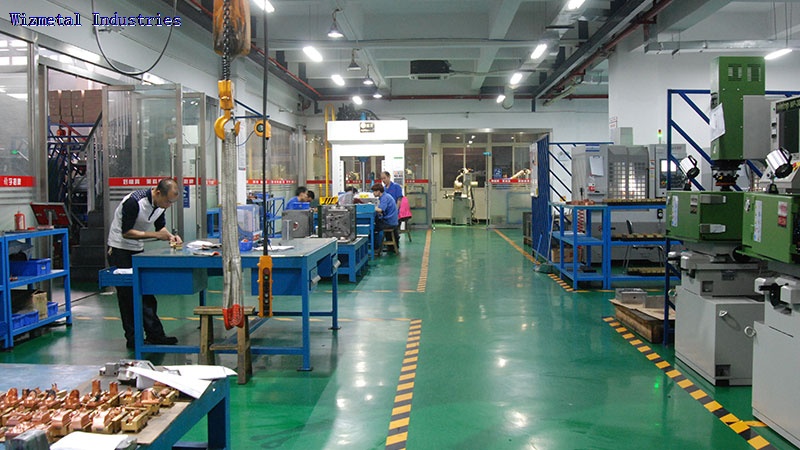
    While B2B platforms are a common starting point, they are just that—a start. Effective supplier verification in 2026 requires a multi-layered approach. First, conduct a deep-dive analysis of the China mold factory’s specialization. A factory proficient in large automotive injection mold projects may not be the best fit for high-precision medical micro-molds. Scrutinize their project portfolio and request case studies similar to your product. Second, insist on a live video audit. A professional factory will readily conduct a virtual tour of their facility, showcasing their CNC, EDM, and quality control labs. This verifies their claimed capabilities. Third, check international certifications as a baseline, but prioritize evidence of a robust internal quality management system. Finally, obtain and contact references from their existing overseas clients. Direct feedback on communication, problem-solving, and after-sales support is invaluable data.

    Navigating Quotation and Contract Negotiation with Clarity

    When you receive quotations, a simple price comparison is a dangerous oversimplification. Break down each quote to understand what is included. Does the price cover mold design, prototyping, trial shots, and first-article inspection reports? What about the cost of mold modifications? Is shipping, insurance, and import documentation assistance included? Clearly define the payment terms. A common and balanced structure is 30-40% deposit, 40-50% upon approval of initial sample parts, and the final 10-20% before shipment. Your contract must be explicit. It should annex your technical specifications, define approval milestones, state warranty terms for workmanship and lifespan, and include clear protocols for handling design changes. Investing in legal clarity upfront prevents costly disputes and ensures both parties share identical expectations.

    Implementing Proactive Quality Control Throughout the Build Process

    Passive quality control, where you simply wait for the finished mold to arrive, carries immense risk. The modern approach is proactive and staged. Require your chosen plastic mold China supplier to provide a detailed project timeline with key inspection points. Critical stages include material certification for the mold steel, inspection of the finished mold cavity and core (often using CMM reports), and most importantly, the initial Trial Run Report. You should receive video evidence of the trial run, samples from the first shots, and a detailed data report covering process parameters. For high-value or high-volume projects, consider engaging a local third-party quality inspection firm to conduct staged inspections during fabrication and a pre-shipment audit. This independent verification provides an additional layer of security and ensures the injection mold meets all agreed-upon standards before it leaves the factory.

    Managing Logistics, Communication, and Long-Term Partnership

    Finalizing the mold build is not the end of the process. Ensure you understand the shipping terms (Incoterms 2020) completely. Who arranges freight and handles customs clearance? Proper mold packaging for ocean freight is crucial to prevent corrosion and damage. Throughout the entire procurement cycle, establish a primary point of contact and a regular update schedule. Use collaborative tools for clear communication and document sharing. View this not as a one-off transaction but as the foundation of a long-term manufacturing partnership. A reliable supplier becomes an extension of your team, capable of supporting future projects, maintaining molds, and scaling production efficiently. Building this relationship on transparency and professional respect is a key competitive advantage.

    Conclusion

    Importing a plastic mold China in 2026 is a journey defined by meticulous preparation and active partnership management. The landscape rewards buyers who invest time in creating flawless specifications, who conduct thorough and multi-faceted supplier verification, and who maintain hands-on quality control throughout the production process. By moving beyond price as the sole deciding factor and focusing on total value, technical capability, and process transparency, you can confidently secure a partnership with a China mold factory that delivers excellence. This strategic approach transforms the complex challenge of overseas injection mold procurement into a reliable driver for your product’s quality, cost-effectiveness, and market success.

    Work With Us

    As a professional China mold manufacturer, we provide one-stop mold solution for overseas buyers.
    📞 Phone: +86-18605944639
    💬 WhatsApp: +8618605944639
    🌐 Website: bestmoldworks.com
    📧 Email: [email protected]
  • china plastic mold manufacturer: Ultimate Guide for Buy 2026

    For businesses worldwide, sourcing plastic injection molds from China remains a strategic move to balance exceptional quality with significant cost efficiency. However, navigating this complex landscape requires updated knowledge and a meticulous approach. As we look toward 2026, the dynamics of manufacturing, communication, and logistics continue to evolve. This ultimate guide is designed to provide overseas buyers with a professional, actionable framework for successfully partnering with a reliable China plastic mold manufacturer. We move beyond generic advice to solve the real procurement challenges you face, from initial supplier verification to final quality control.

    The foundation of a successful import project lies in precise technical communication. The first and most critical step is to develop a comprehensive Request for Quotation package. This should extend far beyond a simple sketch or a verbal description. Include detailed 3D CAD models, fully dimensioned 2D drawings with critical tolerances explicitly called out, and a clear specification document. This document must cover the intended material, expected annual volume, cavity requirements, mold steel preferences, surface finish specifications, and post-molding operations. Providing this level of detail to a potential China mold factory does more than just get you an accurate quote; it immediately filters out suppliers who lack the technical capability to interpret complex requirements, leaving you with more qualified candidates. It establishes a professional tone and becomes the contractual bedrock for the entire project.

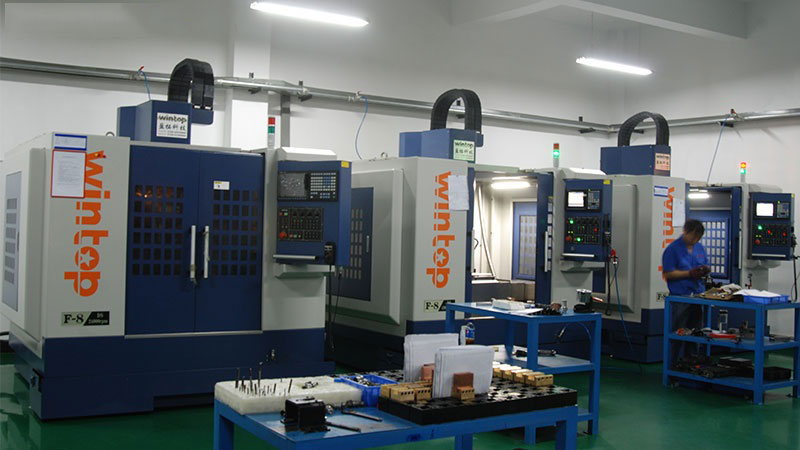
    With a solid RFQ in hand, the next phase is rigorous supplier verification. In 2026, due diligence is multi-faceted. Start with a deep dive into the manufacturer’s digital footprint: analyze their website for technical blogs, case studies, and equipment lists. Utilize B2B platforms but verify claims independently. The non-negotiable step is a virtual factory audit. Request a live video tour to inspect their workshop, machinery, and measuring instruments. Ask to see their quality management system documentation and certificates. Crucially, request and contact references from past overseas clients, specifically those in your region or industry. When evaluating a potential China plastic mold manufacturer, assess their communication proficiency and project management structure. A responsive team with a dedicated project manager for international clients is often more valuable than a slightly lower price from a disorganized operation.

    Understanding and negotiating the commercial terms is where clarity prevents future conflict. The quotation from a China mold factory should be broken down transparently. Key components include mold cost, payment schedule, prototyping costs, and per-unit part price for mass production. The 2026 landscape still favors staged payments, but terms can be negotiated. Be explicit about what is included: are mold trials, sample parts, and first-article inspection reports part of the package? Define ownership of the mold design and tooling clearly in the contract. Logistics and insurance must also be addressed upfront—decide whether you will use Ex-Works, FOB, or DDP terms. A professional supplier will provide clear Incoterms and support in arranging shipping. Remember, the cheapest initial quote can become expensive if it hides costs for revisions, poor communication, or substandard tooling that fails prematurely.

    The ultimate test of your procurement process is the implementation of robust quality control measures. Do not leave inspection solely until the final shipment. Implement staged checkpoints. After mold design completion, request a design review meeting to confirm flow analysis and structural integrity. Upon mold manufacturing, ask for photos of the finished mold and critical components before the first trial. The most critical phase is the Trial Sample Report. Insist on receiving samples from the actual production mold along with a detailed report documenting process parameters, measurements, and any issues. For high-volume or critical parts, consider hiring a third-party quality inspection agency in China to conduct an on-site Pre-Shipment Inspection. This provides an unbiased assessment of part dimensions, appearance, and function against your approved sample. Proactive quality control at the source saves immense cost and delay from rejecting container loads of parts at your destination port.

    Building a successful partnership with your chosen China plastic mold manufacturer is a long-term strategic endeavor. View the initial project not just as a transaction, but as the start of a collaborative relationship. A reliable partner becomes an extension of your engineering team, offering insights on design for manufacturability that can enhance part quality and reduce cost. As you move into annual production, clear agreements on mold maintenance, storage, and repair responsibilities are essential. The landscape in 2026 will continue to be competitive, and the manufacturers who invest in advanced technology, international project management, and transparent practices are the ones who will deliver sustained value.

    In conclusion, importing injection molds from China in 2026 demands a blend of meticulous preparation, modern verification techniques, and strategic partnership building. By mastering the steps of precise technical definition, thorough supplier vetting, clear commercial negotiation, and proactive quality control, overseas buyers can mitigate risks and unlock the substantial advantages of Chinese mold manufacturing. The goal is to transform a complex international procurement process into a streamlined, reliable, and profitable component of your supply chain. With this actionable guide, you are equipped to approach the market with confidence, ensuring your next project with a China plastic mold manufacturer is a resounding success.

    Work With Us

    As a professional China mold manufacturer, we provide one-stop mold solution for overseas buyers.
    📞 Phone: +86-18605944639
    💬 WhatsApp: +8618605944639
    🌐 Website: bestmoldworks.com
    📧 Email: [email protected]
  • injection moulding factory: Reliable Manufacturers Gu 2026

    For overseas buyers, sourcing precision tooling from China represents a significant opportunity for cost efficiency and advanced manufacturing capability. However, the journey from initial inquiry to receiving a flawless injection mold can be fraught with challenges. Miscommunication, hidden costs, and quality discrepancies are common concerns. As we look toward 2026, the landscape is evolving, with the most reliable manufacturers distinguishing themselves through transparency, technology, and process rigor. This guide provides actionable, practical strategies to navigate this landscape and partner with a trustworthy China mold factory.

    Verifying Your Supplier Beyond the Surface

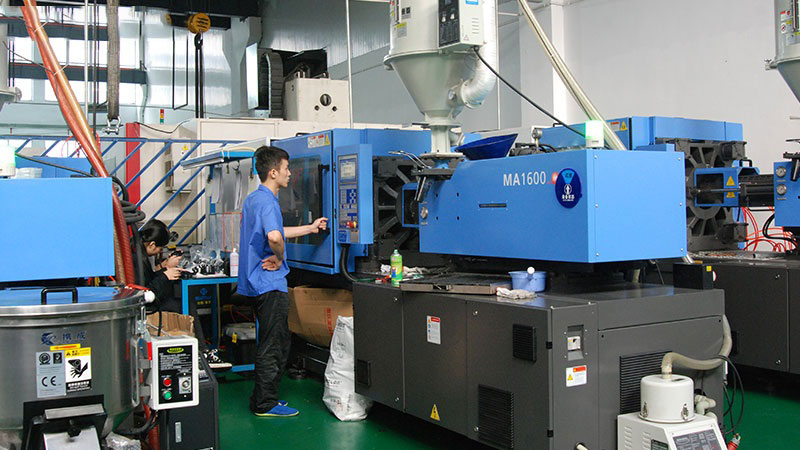
    The first and most critical step is thorough supplier verification, moving far beyond a basic website check. A professional injection moulding factory in 2026 will be transparent about its capabilities. Start by verifying business licenses and export credentials. Utilize third-party inspection services for an initial facility audit. Crucially, request and meticulously review detailed case studies for projects similar in complexity and industry to yours. During video calls, insist on a live virtual tour of the production floor, not just a curated presentation. Pay attention to the machinery brands, workshop organization, and quality control stations. Ask specific questions about their experience with your material type and part geometry. This due diligence separates marketing from genuine manufacturing prowess.

    Mastering the Technical and Commercial Procurement Dialogue

    Clear communication of specifications is the bedrock of a successful project. To avoid costly revisions, provide a comprehensive technical data package. This should include 3D CAD files, 2D drawings with GD&T, material specifications, and a sample or prototype if available. The most reliable partners will engage in a Design for Manufacturability review, offering suggestions to optimize part design for molding, which can reduce cost and improve quality. On the commercial side, obtain a detailed quotation that breaks down all costs: mold base, cavity and core machining, hot runner system, trials, and post-processing. Understand the payment terms clearly—staggered payments linked to project milestones are standard and protect both parties. A trustworthy supplier will explain every cost element, leaving no room for surprises.

    Implementing Proactive and Multi-Stage Quality Control

    Quality cannot be inspected into a mold; it must be built into the process. Your chosen China mold factory must have a documented quality control protocol. Insist on critical checkpoints with evidence. This typically includes material certificates for mold steel, reports for hardness testing, and first article inspection results from the T1 sample. For 2026, leading manufacturers employ digital monitoring; request access to a portal where you can view inspection reports, photos, and even measurement data from coordinate measuring machines. For high-value tools, consider engaging a local third-party quality inspector for key stages, such as the initial sample approval. Define your acceptance criteria for the injection mold upfront, including lifespan expectations, surface finish standards, and part dimensional tolerances.

    Navigating Logistics and Building a Long-Term Partnership

    The process does not end when the mold is approved. Discuss logistics and incoterms explicitly to determine responsibilities for packaging, export clearance, shipping, and insurance. Professional factories use robust, custom packaging to protect the precision tooling during transit. Consider the long-term relationship from the outset. A reliable partner is not just a vendor but a technical resource for future projects, maintenance, and modifications. Discuss their policy on mold storage, repair services, and lead times for future production runs. Building a successful partnership with an injection moulding factory hinges on clear communication, mutual respect, and a shared commitment to quality, transforming a single procurement into a valuable strategic alliance.

    Conclusion

    Importing molds from China in 2026 demands a strategic, informed approach that prioritizes verification, clear communication, and embedded quality control. The competitive advantage lies not in finding the cheapest supplier, but in identifying the most reliable and professional injection moulding factory that aligns with your technical and commercial needs. By implementing the practical steps outlined—from deep supplier vetting to proactive quality management—overseas buyers can mitigate risks, ensure a smooth procurement process, and secure a high-quality injection mold that delivers value for years to come. The foundation of success is a partnership built on transparency and expertise, turning the complexity of global sourcing into a reliable pillar of your supply chain.

    Work With Us

    As a professional China mold manufacturer, we provide one-stop mold solution for overseas buyers.
    📞 Phone: +86-18605944639
    💬 WhatsApp: +8618605944639
    🌐 Website: bestmoldworks.com
    📧 Email: [email protected]
  • Custom molds for candles: Ultimate Guide for Buyers 2026

    For overseas entrepreneurs and established brands, the allure of creating unique, branded candle products is undeniable. The cornerstone of this creativity lies in the mold. While local sourcing may seem convenient, China’s manufacturing ecosystem offers unparalleled advantages in capability, cost, and scalability for producing custom molds for candles. However, navigating this landscape requires strategic insight to ensure success. This ultimate guide for 2026 provides a professional, actionable roadmap for international buyers to procure high-quality, reliable custom candle molds from China, mitigating risks and maximizing return on investment.

    The journey begins long before you request a quote. Precise definition is your strongest tool against misunderstandings and cost overruns. Move beyond a simple sketch. Develop comprehensive 3D CAD files, which are the universal language for any reputable China mold factory. Specify every critical dimension, draft angle, and surface finish. For candle molds, material selection is paramount. Will you be using paraffin, soy, beeswax, or gel? Each has different shrinkage rates and release properties. Clearly communicate the intended wax type, expected production volume, and whether you require a single-cavity mold for large decorative pieces or a multi-cavity injection mold for efficient production of votives or tealights. Detailing these requirements upfront filters out incapable suppliers and ensures accurate, comparable quotations.

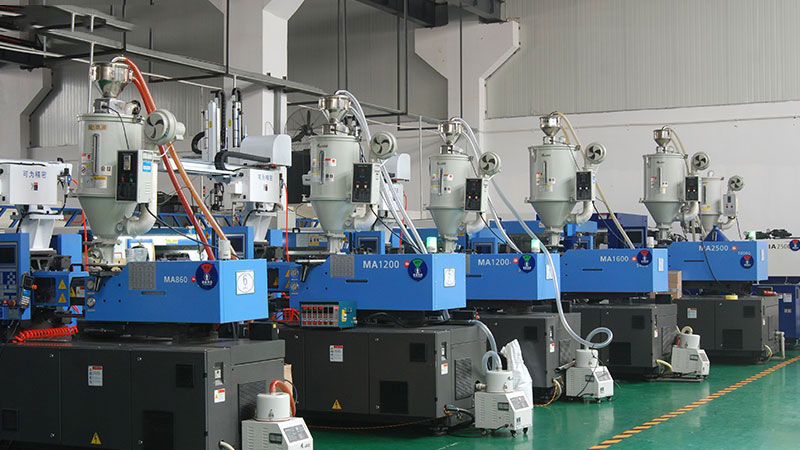
    Supplier verification is the single most critical step in your procurement process. In 2026, due diligence goes beyond a website and an Alibaba storefront. Seek out manufacturers with demonstrable experience in candle-specific tooling, as the requirements differ from industrial plastic injection molds. Request and scrutinize a detailed portfolio of past candle mold projects. Utilize video calls to conduct virtual factory tours; observe their workshop organization, machinery, and quality control stations. Verify business licenses and, for significant orders, consider third-party verification services. Crucially, ask for references from existing overseas clients and contact them. Inquire about the supplier’s communication, problem-solving attitude, and post-sales support. A reliable partner is transparent and proud to showcase their expertise and client relationships.

    A clear and legally sound procurement agreement protects both parties. Never proceed on a verbal agreement or a poorly defined proforma invoice. Your purchase order or contract should explicitly detail the technical specifications, approved CAD file version, mold material grade, delivery schedule, payment terms, and quality acceptance criteria. For custom molds for candles, define the approval process for the Trial Sample Mold (TSM). Who pays for shipping? How many revision rounds are included? What constitutes an acceptable first article sample? Regarding payment, secure terms that balance risk. A common and fair structure is 30-50% deposit, 40-60% balance after sample approval, and perhaps a 10% retention after successful bulk production. Always use secure, traceable payment methods. This structured approach prevents the vast majority of commercial disputes.

    Implementing rigorous quality control at multiple stages is non-negotiable. Do not wait until the finished mold arrives at your door to inspect it. For substantial investments, engage a third-party inspection company in China to conduct a Data Parameter Inspection (DPI) when the steel is being machined, comparing the tooling against your CAD data. The most critical point is the pre-shipment sample evaluation. When you receive the TSM and cast sample candles, evaluate them mercilessly. Check for dimensional accuracy, seam lines, surface finish, ease of de-molding, and the fidelity of any intricate details. Does the wax release cleanly? Are the walls thick enough for thermal stability? Provide clear, documented feedback. A professional China mold factory will expect and accommodate this feedback within the agreed scope. This phase is your final opportunity to correct issues before mass production begins.

    Effective logistics and planning for the long term ensure a smooth launch and ongoing operations. Discuss with your supplier the optimal packaging for mold protection during ocean freight, especially for delicate silicone or aluminum molds. Understand the Incoterms agreed upon and plan for customs clearance in your country. Consider the total cost of ownership. A slightly more expensive mold from a verified supplier using superior steel or aluminum alloy will outlast a cheaper alternative, saving money on replacements and downtime. Finally, discuss the possibility of storing the mold at the factory or a local partner for future production runs. This facilitates reorders without the hassle and cost of re-shipping the tooling, creating a truly sustainable and efficient supply chain for your candle business.

    Successfully importing custom molds for candles from China in 2026 is a systematic process of preparation, verification, and control. It leverages China’s manufacturing prowess while intelligently managing the inherent complexities of international trade. By defining your needs with precision, conducting thorough supplier verification, structuring clear agreements, enforcing staged quality control, and planning for logistics, you transform a potentially risky venture into a strategic advantage. The result is not just a piece of tooling, but a foundation for product uniqueness, brand identity, and scalable growth in the competitive candle market. With this guide as your framework, you are equipped to build productive partnerships with Chinese mold specialists and bring your distinctive candle visions to life with confidence and professionalism.

    Work With Us

    As a professional China mold manufacturer, we provide one-stop mold solution for overseas buyers.
    📞 Phone: +86-18605944639
    💬 WhatsApp: +8618605944639
    🌐 Website: bestmoldworks.com
    📧 Email: [email protected]
  • mold manufacturers in china: Ultimate Guide for Buyers 2026

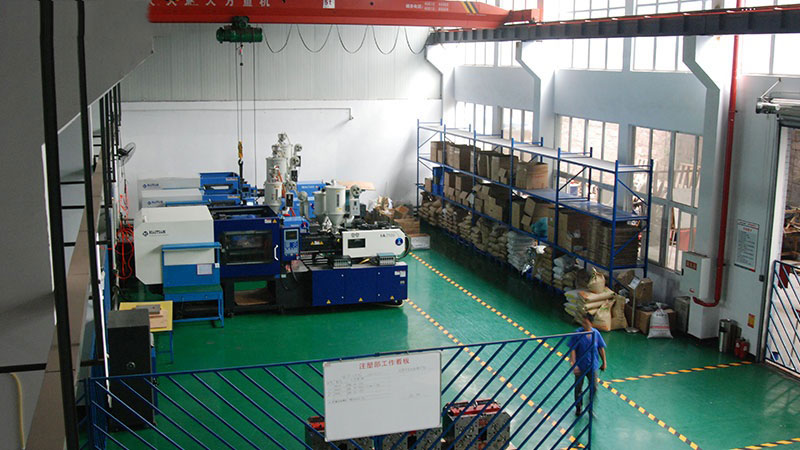
    For global businesses, from ambitious startups to established OEMs, sourcing precision tooling is a critical strategic decision. China remains the world’s foremost hub for mold manufacturing, offering an unparalleled combination of technical capability, scale, and cost efficiency. However, navigating this vast and complex market to find a truly reliable partner requires a modern, informed approach. This guide is designed for overseas buyers in 2026, cutting through the noise to provide a clear, actionable framework for successfully importing high-quality molds from China. We move beyond generic advice to address the real-world challenges of supplier verification, communication, and quality assurance in today’s competitive landscape.

    Mastering Supplier Discovery and Verification

    The initial search for **mold manufacturers in China** has evolved. While platforms like Alibaba and Made-in-China remain starting points, they are just that. In 2026, differentiation is key. Begin with a precise technical brief. Then, utilize a multi-channel verification strategy. A credible **China mold factory** will have a detailed website showcasing engineering case studies, not just product catalogs. Use professional networks like LinkedIn to check the profiles of their sales and engineering managers. Crucially, verify business licenses via official Chinese platforms and insist on a video tour of the facility. This first step is not about finding hundreds of options, but about identifying a shortlist of 3-5 manufacturers whose demonstrated capabilities, client history, and operational transparency align with your specific project, whether it’s a complex multi-cavity **injection mold** or a large-scale blow mold.

    The Critical Role of Technical Communication and RFQ Precision

    Miscommunication is the root cause of most sourcing failures. Your Request for Quotation (RFQ) package must be a comprehensive technical document. Include detailed 3D part files (STEP or IGS), 2D drawings with critical tolerances, material specifications, expected annual volumes, and cycle time targets. Clearly state surface finish requirements (SPI standards) and any texturing needs. When discussing with potential partners, engage directly with their engineers, not just sales staff. Use marked-up drawings and screen-sharing sessions to clarify expectations. Discuss mold flow analysis (MFA) as a standard deliverable; a competent manufacturer will use MFA to predict and prevent filling issues, warpage, and sink marks, optimizing the mold design before steel is cut. This phase ensures all bidders are quoting on the exact same requirements, making comparisons meaningful and setting a foundation for quality.

    Implementing a Robust Stage-Gate Quality Control Protocol

    Passive hope is not a quality strategy. Proactive, structured **quality control** must be contractually agreed upon before production starts. Implement a stage-gate inspection protocol tied to payment milestones. Key inspection points typically include: 1) Design Review (approval of mold flow and mold structure drawings), 2) First Article Inspection (FAI) on the steel mold before trial, with CMM reports for critical dimensions, and 3) Trial Run Sample Approval using production-grade material. For high-value tools, engage a local third-party inspection company for the critical T1 sample trial. They can witness the trial, perform on-site measurements, and provide an unbiased report. This process protects your investment by catching deviations early, when corrections are least costly, and ensures the final product meets your specifications.

    Navigating Logistics, IP Protection, and After-Sales Support

    Finalizing the mold is only part of the journey. Address intellectual property (IP) protection upfront through a well-drafted Non-Disclosure Agreement (NDA) and a product confidentiality agreement governed by Chinese law. While absolute guarantees are complex, working with established, brand-conscious manufacturers significantly reduces risk. For logistics, decide on Incoterms clearly—FOB is common, giving you control over shipping. Ensure the **mold manufacturer** provides proper export crating and comprehensive documentation, including a detailed mold manual, maintenance instructions, and spare parts list. Discuss after-sales support: what is their policy on warranty (typically covering workmanship and materials for 12-18 months), and how will they handle future repairs or modifications? Clarifying these terms completes a professional **procurement** cycle and establishes the basis for a potential long-term partnership.

    Building a Partnership for Long-Term Value

    The most successful sourcing engagements view the Chinese manufacturer not as a one-time vendor, but as a technical partner. After a successful first project, look for opportunities to streamline future collaborations. Share production forecasts, involve them early in new product development for design-for-manufacturability (DFM) feedback, and consider periodic performance reviews. A reliable partner invested in your success will proactively suggest design optimizations for cost-saving or improved durability. This relationship-centric approach transforms your **China mold factory** from a cost center into a strategic asset, driving innovation and efficiency in your supply chain for years to come.

    Conclusion

    Importing molds from China in 2026 demands a blend of rigorous process and strategic relationship building. The landscape is mature, and the winners are those who execute a disciplined approach: precise supplier verification, unambiguous technical communication, proactive quality control, and clear commercial terms. By moving beyond price-centric thinking and focusing on total value and risk management, overseas buyers can confidently tap into the world-class engineering and manufacturing capabilities that Chinese **mold manufacturers in china** offer. This guide provides the framework to not only find a supplier but to build a partnership that delivers quality, reliability, and competitive advantage for your business.

    Work With Us

    As a professional China mold manufacturer, we provide one-stop mold solution for overseas buyers.
    📞 Phone: +86-18605944639
    💬 WhatsApp: +8618605944639
    🌐 Website: bestmoldworks.com
    📧 Email: [email protected]
  • injection mold manufacturers in china: Ultimate Guide f 2026

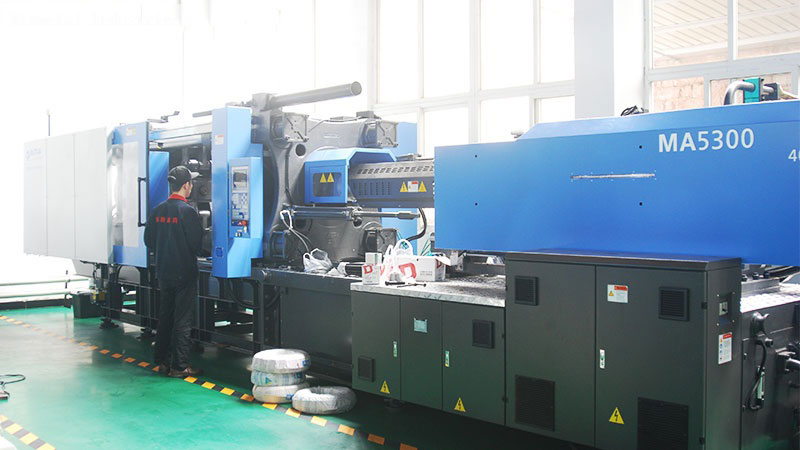
    For product developers and manufacturing managers worldwide, sourcing injection molds is a critical step that balances cost, quality, and time. China remains the global epicenter for mold manufacturing, offering unparalleled expertise and economies of scale. However, navigating this complex landscape can be daunting. This ultimate guide for 2026 provides a professional, no-fluff roadmap for overseas buyers to successfully identify, vet, and partner with top-tier injection mold manufacturers in China, ensuring a smooth procurement process and a superior end product.

    Conducting Meticulous Supplier Verification and Qualification

    The foundation of a successful import project is rigorous supplier verification. Moving beyond simple online directories is crucial in 2024. Start by identifying a shortlist of potential China mold factory partners through industry-specific B2B platforms, but deepen your research. Examine their official website for detailed case studies, technical capabilities (like EDM, CNC, CMM), and client testimonials. Verify business licenses via third-party services. Crucially, request and contact references from past international clients. A professional manufacturer will readily provide this. For high-value projects, a pre-qualification audit, either conducted by a trusted third-party or via a detailed video tour, is indispensable. This step filters out trading companies masquerading as factories and aligns you with genuine, capable injection mold manufacturers in China.

    Defining Specifications and Emphasizing DFM (Design for Manufacturability)

    Clear, unambiguous technical communication is your strongest tool against cost overruns and delays. Provide potential suppliers with a comprehensive mold design specification document. This should include part 3D files (STEP or IGS), material specifications, expected annual volumes, cavity requirements, tolerance standards, and surface finish expectations. The most critical phase here is the Design for Manufacturability (DFM) review. A reputable China mold factory will not simply quote on your provided design; they will proactively offer DFM feedback to suggest modifications that improve moldability, reduce complexity, and enhance part strength. Their expertise in tooling can simplify your design, leading to a more robust and cost-effective injection mold. Treat this collaborative review as a key indicator of their engineering proficiency.

    Implementing a Robust Tiered Quality Control Protocol

    Quality control cannot be an afterthought; it must be engineered into the process from day one. Structure your quality protocol in tiers. First, define and agree upon critical checkpoints: the mold design review, first article inspection (FAI) after mold trial, and pre-shipment inspection. Insist on documented evidence at each stage, including mold flow analysis reports, CMM inspection reports of the mold cavities, and dimensional reports of trial shots using your specified material. For the injection mold itself, specify the steel grade (e.g., P20, H13, S136) and hardness, and request material certificates. Consider engaging a local third-party quality inspection firm familiar with mold and precision manufacturing to conduct the final pre-shipment audit. This independent verification provides an objective assessment before the tool leaves the factory.

    Navigating Logistics, IP Protection, and Payment Terms Strategically

    The commercial and legal framework protects your investment. Always use a detailed, itemized proforma invoice (PI) and a formal contract that covers payment terms, delivery schedule (FOB, EXW, etc.), warranty period (typically 12-24 months for workmanship and materials), and liability clauses. For intellectual property (IP), a well-drafted Non-Disclosure Agreement (NDA) is essential, but understand its practical enforcement limits. A more robust strategy is to compartmentalize your design; have different suppliers manufacture sub-components if possible. For payment, avoid 100% upfront payments. A standard and secure structure is 30-50% deposit, 40-50% after successful mold trial and approval of samples, and the final 10-20% before shipment. This aligns incentives and gives you leverage throughout the project lifecycle.

    Building a Partnership for Long-Term Production and Maintenance

    View your chosen supplier not as a one-time vendor but as a long-term production partner. Discuss future needs upfront, including their capacity for mass production injection molding if required, and their process for mold maintenance and repair. A reliable partner will offer clear terms for storing your mold, performing regular maintenance, and expediting repairs. Establish clear communication protocols, designating a single point of contact on both sides who possesses both technical and English language skills. Utilize project management tools and regular video conference updates to maintain transparency. This partnership approach transforms the procurement exercise from a transactional cost-center into a strategic asset for your supply chain.

    Conclusion

    Importing an injection mold from China in 2026 demands a blend of diligent research, precise communication, and strategic partnership management. By implementing a thorough supplier verification process, collaborating on DFM, enforcing a multi-stage quality control system, securing favorable commercial terms, and fostering a long-term relationship, you can mitigate the inherent risks. The goal is to leverage the immense skill and cost advantages offered by Chinese injection mold manufacturers in china to gain a competitive edge in your market. With this actionable guide, you are equipped to navigate the procurement journey with confidence, securing a high-quality tool that forms the foundation for your product’s success for years to come.

    Work With Us

    As a professional China mold manufacturer, we provide one-stop mold solution for overseas buyers.
    📞 Phone: +86-18605944639
    💬 WhatsApp: +8618605944639
    🌐 Website: bestmoldworks.com
    📧 Email: [email protected]
  • plastic moulding factory: Ultimate Guide for Buyers 2026

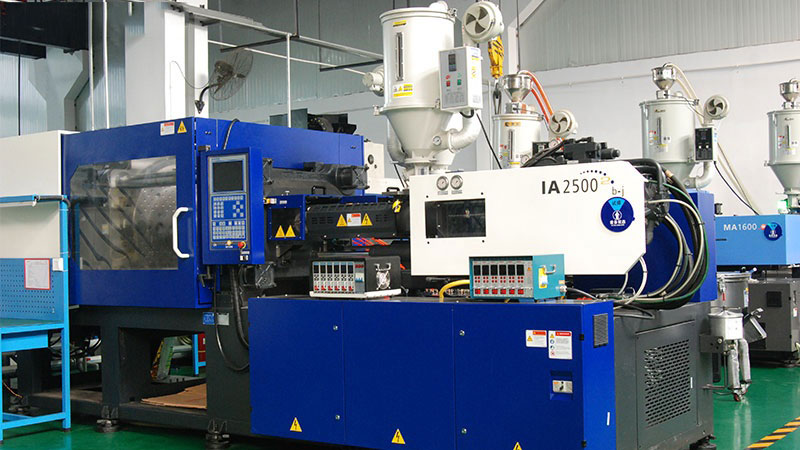
    For overseas buyers, partnering with a capable plastic moulding factory in China remains one of the most strategic decisions to achieve cost efficiency and scalable production. However, the landscape is evolving rapidly. The China mold factory sector in 2026 is characterized by advanced automation, a sharper focus on sustainability, and a wider gap between high-tier manufacturers and low-cost workshops. This guide cuts through the noise to provide a professional, actionable framework for your procurement journey, helping you mitigate risks and secure a partnership that delivers long-term value.

    Mastering Supplier Verification in the Digital Age

    The initial search for an injection mold partner has moved far beyond simple B2B directories. While platforms like Alibaba are a starting point, verification is paramount. Begin by scrutinizing digital footprints. A professional plastic moulding factory will have a detailed, modern website showcasing engineering capabilities, machinery lists (e.g., brand and tonnage of injection molding machines, EDM, CMM), and specific industry case studies. Utilize video conferencing for virtual factory tours; a reluctance to show real-time production floors is a significant red flag. In 2026, legitimate suppliers expect and are prepared for this digital due diligence. Cross-reference business licenses via official Chinese portals and check for international compliance certifications relevant to your market, such as ISO 9001:2015 for quality management systems. Remember, verification is about confirming the operational reality behind the marketing.

    Engineering Collaboration and Design for Manufacturability (DFM)

    Your success hinges on the front-end engineering dialogue. A competent China mold factory will not simply quote on your provided CAD file; they will proactively engage in a Design for Manufacturability (DFM) review. This collaborative process is where significant cost savings and quality are baked into the project. Expect and require a detailed DFM report that addresses draft angles, wall thickness uniformity, gate locations, ejection strategies, and material selection suggestions. This stage tests their technical expertise. A supplier that asks insightful questions and challenges your design for the sake of manufacturability is often more valuable than one that accepts everything without comment. Clear communication on tolerances, surface finish specifications (SPI standards), and part testing methodologies at this phase prevents costly misunderstandings later. Treat the DFM stage as a critical interview for their engineering prowess.

    Navigating the Quotation and Contractual Landscape

    A professional quotation from a plastic moulding factory should be transparent and itemized. Beware of suspiciously low bids; they often signal corner-cutting on steel quality, hidden fees, or a fundamental misunderstanding of the requirements. A 2026-ready quote should clearly separate mold cost (including steel grade, cavity count, lifespan expectations) from per-part piece price. Scrutinize terms for payment milestones (e.g., 30% upon order, 40% after T1 sample approval, 30% before shipment), intellectual property (IP) protection clauses, and ownership of mold tooling. It is standard practice for the buyer to own the mold, which is typically held at the supplier’s facility. The contract must explicitly state this, along with terms for mold maintenance, repair costs, and the process for relocating the tooling if the partnership ends. Investing in legal review for your procurement agreement is non-negotiable.

    Implementing Rigorous Quality Control Gates

    Quality cannot be inspected into a part; it must be built into the process. Your chosen supplier must have a robust internal quality control (QC) system, but you must also establish your own checkpoints. Key gates include First Article Inspection (FAI) after the initial mold trial (T1), where parts are measured against all critical dimensions using a Coordinate Measuring Machine (CMM) report. Pre-production samples from a pilot run should also be evaluated. For ongoing production, define an acceptable quality level (AQL) for routine inspections. Many overseas buyers in 2026 engage third-party quality inspection services in China for impartial audits during production runs and before container loading. This independent verification provides an essential layer of oversight, ensuring the output from the injection mold meets the agreed specifications consistently and that packaging for export is adequate.

    Building a Partnership for Long-Term Success

    View your engagement not as a transactional purchase but as a technical partnership. Effective communication is the bedrock. Designate a single point of contact on both sides who possesses both technical and linguistic skills. Utilize collaborative project management tools to track progress, share documents, and log issues. Plan a site visit if the order volume justifies it; there is no substitute for seeing the operation, meeting the team, and building rapport in person. Furthermore, discuss future scalability and how the China mold factory can support potential design iterations or production ramp-ups. A reliable partner will be invested in your product’s success, offering insights on material trends, such as the growing availability of recycled resins, and process optimizations that benefit you over the long term.

    Conclusion

    Importing molds from China in 2026 demands a blend of rigorous due diligence, technical collaboration, and strategic relationship management. The journey from sourcing to consistent production involves mastering supplier verification, engaging deeply in the DFM process, structuring clear contracts, implementing multi-layered quality control, and fostering transparent communication. By following this professional framework, you move beyond simply finding a vendor to securing a capable manufacturing partner. A reliable plastic moulding factory becomes an extension of your own operations, driving innovation, controlling costs, and ensuring your products meet the global market’s quality expectations. Approach your procurement with this disciplined, informed mindset, and you will transform the inherent challenges of overseas manufacturing into a formidable competitive advantage.

    Work With Us

    As a professional China mold manufacturer, we provide one-stop mold solution for overseas buyers.
    📞 Phone: +86-18605944639
    💬 WhatsApp: +8618605944639
    🌐 Website: bestmoldworks.com
    📧 Email: [email protected]

  • stamping mold manufacturer in china: Professional Buy 2026

    For overseas buyers, sourcing precision tooling is a critical path to product development and manufacturing success. As we look toward 2026, China remains the global epicenter for mold manufacturing, offering an unparalleled combination of technical expertise, advanced capabilities, and competitive pricing. However, navigating this vast market to find a reliable stamping mold manufacturer in China requires a strategic, informed approach. This guide is designed to cut through the noise and provide you with a professional, actionable framework for your procurement activities in the coming year, ensuring you secure high-quality tooling that meets your exact specifications, budget, and timeline.

    The foundation of a successful import project lies in meticulous supplier verification. In 2026, this goes beyond simply checking a company’s website or Alibaba storefront. Begin with a deep dive into the manufacturer’s specialization. Stamping molds, used for shaping metal sheets through pressing, require distinct engineering and machining expertise compared to an injection mold for plastics. Scrutinize their project portfolio for direct experience with parts similar to yours in material, complexity, and industry (automotive, electronics, appliances). Essential verification steps include requesting business licenses, visiting the factory virtually via a detailed video tour, and obtaining contact information for past international clients. Third-party verification reports can also be invaluable. This rigorous vetting process filters out trading companies and underqualified workshops, connecting you directly with a competent China mold factory equipped for your specific needs.

    Once a potential partner is identified, the focus must shift to precision in technical communication and design for manufacturability (DFM). Ambiguity in technical drawings or specifications is the primary cause of cost overruns and delayed timelines. Provide comprehensive, dimensionally complete CAD drawings (e.g., STEP, IGES files) and a detailed specification sheet covering material grades, tolerances, surface finish requirements, and expected production volume. A professional stamping mold manufacturer in China will reciprocate with a formal DFM report. This critical document highlights potential issues in your design that could affect tool longevity, part quality, or production efficiency. Engaging in this collaborative review stage before cutting steel is non-negotiable. It transforms your procurement from a simple order placement into a technical partnership, aligning expectations and engineering knowledge from the outset.

    A transparent and robust quality control (QC) protocol is your most powerful tool for risk mitigation. Never assume quality; instead, build inspection checkpoints directly into your purchase agreement. For stamping molds, key stages include: First Article Inspection (FAI) using CMM reports on samples from the finished mold, and Tool Tryout Reports documenting performance under simulated production conditions. Specify the use of certified raw materials (like premium die steel) and demand photographic or video evidence of critical machining processes and hardness testing. For ongoing production, define your acceptable quality level (AQL) for stamped parts. Many reputable manufacturers will accommodate third-party QC inspections from firms like SGS or Bureau Veritas at the factory before shipment. This proactive investment in quality control safeguards your capital and ensures the tooling you receive is production-ready and durable.

    Finally, approach commercial and logistical terms with clarity and foresight. The quotation from your China mold factory should be broken down clearly: mold cost, material cost, engineering hours, and any ancillary fees. Understand the payment terms thoroughly; a common and balanced structure is 30-50% deposit, 40% upon approval of sample parts, and 10-30% before shipment. Ensure the Incoterms (e.g., FOB, EXW, CIF) are explicitly agreed upon to define responsibility for shipping, insurance, and customs clearance. Discuss post-sales support upfront—what is the warranty period for the mold? What are the terms for repair or modification? How will technical documentation be transferred? Planning for the entire lifecycle of the tool, from procurement to maintenance, establishes a professional, long-term relationship with your supplier.

    As you plan your tooling procurement for 2026, success hinges on a disciplined, process-oriented approach. The Chinese manufacturing landscape is evolving, with leading stamping mold manufacturers investing heavily in automation, simulation software, and international quality standards. By prioritizing thorough supplier verification, investing in collaborative design reviews, implementing staged quality control, and negotiating clear commercial terms, you transform the complexity of overseas sourcing into a competitive advantage. The goal is to move beyond finding just a vendor to establishing a partnership with a skilled and reliable stamping mold manufacturer in China, securing not only a tool but the foundation for your product’s manufacturing excellence for years to come.

    Work With Us

    As a professional China mold manufacturer, we provide one-stop mold solution for overseas buyers.
    📞 Phone: +86-18605944639
    💬 WhatsApp: +8618605944639
    🌐 Website: bestmoldworks.com
    📧 Email: [email protected]

  • custom injection molded plastic parts: Complete Procu 2026

    For overseas buyers, sourcing custom injection molded plastic parts from China remains a strategic move for achieving significant cost savings and accessing advanced manufacturing capabilities. However, the landscape is evolving rapidly. The procurement playbook from five years ago is outdated. Success in 2026 demands a more sophisticated, digitally-integrated, and quality-focused approach. This guide cuts through the noise to provide a current, actionable framework for navigating the complexities of importing high-quality custom injection molded plastic parts from China, ensuring your project is competitive, on-spec, and delivered reliably.

    The foundation of any successful project lies in selecting the right China mold factory. Moving beyond simple Alibaba searches, verification in 2026 requires a multi-layered audit. Start with a deep-dive into their digital footprint: analyze their technical blog content, examine case studies for projects similar in complexity to yours, and scrutinize their equipment list for modern, precision machinery like electric or hybrid injection molding machines. The crucial step is a live, virtual factory tour. Demand a real-time walkthrough of their production floor, quality control lab, and mold maintenance area. This verifies their claimed capabilities and gives you insight into their operational discipline. Furthermore, insist on speaking directly with their project engineering team, not just sales representatives. Their ability to discuss gate design, material flow, cooling channel strategy, and draft angles is a true indicator of their technical proficiency for producing your custom injection molded plastic parts.

    Once a potential partner is identified, the design for manufacturability (DFM) stage becomes your most critical risk mitigation point. A professional China mold factory will provide a detailed DFM report, but your engagement shouldn’t be passive. Encourage, and be prepared to pay for, an early collaborative design review. Utilize shared screen sessions with their mold engineers to optimize part geometry for cost-effective molding. Discuss material selection with their specialists, considering not just performance but also regional supply chain stability for specific polymer grades. This phase is where you solidify expectations for tolerances, surface finishes (SPI standards), and post-molding operations. Clarifying every detail before the first piece of steel is cut prevents costly mold modifications and delays later, ensuring the injection mold is built right the first time.

    Procurement in 2026 is defined by transparent, staged agreements and rigorous pre-shipment validation. Your purchase order should be accompanied by a comprehensive technical agreement that includes all approved drawings, DFM reports, material specifications, and quality inspection protocols. Implement a milestone-based payment schedule tied to tangible deliverables: deposit upon order, payment after mold design approval, payment after first article inspection (FAI), and final payment after pre-shipment quality control. The FAI is non-negotiable. You must receive actual sample parts from the production mold, along with a full dimensional report using CMM or other measuring equipment. For critical applications, consider engaging a local third-party quality inspection firm to conduct an initial production check (IPC) or during production monitoring (DUPRO) to audit the process before large volumes are run and shipped.

    Quality control is no longer a final checkpoint but an integrated, data-driven process. Require your supplier to implement a Process Control Plan and share key process parameter data from the injection molding cycles. Discuss their capability studies (Cp/Cpk) for critical dimensions to ensure process stability. For the final pre-shipment quality control, move beyond a simple AQL sampling for visual defects. Specify dimensional checks on critical features, material certification reviews (UL, FDA, etc., as required), and functional or fit-and-assembly tests. All findings should be documented in a detailed inspection report (with photos and data) that is shared and approved before shipment. This documented evidence trail protects both parties and guarantees the consistency of your custom injection molded plastic parts.

    Logistics and long-term partnership management are the final pillars of a complete 2026 strategy. Work with your supplier to plan packaging that protects delicate parts and the expensive injection mold itself. Discuss incoterms clearly—EXW, FOB, or DAP—understanding your responsibilities and costs at each stage. For the mold, establish a clear maintenance and ownership agreement upfront. Determine who holds the intellectual property, where the mold will be stored, and the costs associated with maintenance and future modifications. Building a true partnership means treating your Chinese mold factory as a strategic extension of your engineering team, fostering clear communication and continuous improvement for future projects.

    Importing molds and plastic parts from China in 2026 offers unparalleled value, but it requires a proactive, informed, and meticulous approach. By mastering supplier verification, collaborating deeply on DFM, structuring smart procurement contracts, enforcing data-driven quality control, and planning for the long term, you transform potential risk into a formidable competitive advantage. The complete procurement journey is about building a bridge of trust and technical clarity across continents, resulting in high-quality, cost-effective components that drive your product’s success in the global marketplace.

    Work With Us

    As a professional China mold manufacturer, we provide one-stop mold solution for overseas buyers.
    📞 Phone: +86-18605944639
    💬 WhatsApp: +8618605944639
    🌐 Website: bestmoldworks.com
    📧 Email: [email protected]

  • mold manufacturers in china: Ultimate Guide for Buyers 2026

    For global businesses, from ambitious startups to established OEMs, sourcing tooling from China remains a strategic move to balance quality, innovation, and cost. The landscape of mold manufacturers in China is vast and varied, offering unparalleled capability but also presenting a classic challenge: how to navigate this complex market to find a truly reliable partner. This guide cuts through the noise, providing a professional, actionable framework for overseas buyers to execute a successful procurement strategy in 2026 and beyond. We will move beyond simple directory listings to focus on verification, communication, and quality assurance processes that protect your investment and ensure project success.

    The foundation of any successful import project is rigorous supplier verification. In 2026, due diligence goes far beyond checking a website. Start by verifying business licenses and export credentials. Utilize third-party inspection reports and platforms like Panjiva to view shipping histories—a factory consistently exporting to your region or your industry is a strong positive indicator. Critically, move past sales representatives and insist on direct video calls with engineering and project management teams. Request a virtual factory tour; a reputable China mold factory will readily showcase their shop floor, machinery (look for brands like DMG Mori, Sodick, or Haitian injection molding machines), and quality control stations. This step filters out trading companies masquerading as manufacturers and reveals the true operational capability of your potential partner.

    Once a shortlist is established, mastering the technical and commercial quotation process is vital. The cheapest quote is often the most expensive in the long run. Provide potential mold manufacturers in china with exceptionally clear and detailed part designs, including material specifications, intended volumes, and critical tolerances. A professional supplier will respond not just with a price, but with a Design for Manufacturability (DFM) report. This document is a key indicator of expertise; it should highlight potential issues in your design, suggest improvements for moldability, and outline the proposed mold structure (e.g., number of cavities, steel grade like P20 or H13, and cooling line layout). Scrutinize what is included: Is hot runner system from a known brand quoted? Are all mold bases and standard components included? Is sampling and preliminary testing part of the package? Clarifying these elements upfront prevents costly change orders later.

    For injection mold projects, in-process quality control is non-negotiable. Agree on a milestone-based inspection and payment schedule before contract signing. Key inspection points typically include: a First Article Inspection (FAI) after the mold core and cavity are machined, using CMM reports to verify critical dimensions against your CAD data; a T1 sample trial at the factory, where you receive video and sample parts for approval; and a final pre-shipment inspection. For high-precision molds, consider engaging a local third-party quality control firm for the T1 trial. They can witness the testing, measure samples on-site, and provide an unbiased report on cycle times, part dimensions, and surface finish. This proactive approach to quality control mitigates the risk of receiving a mold that does not perform as expected in your home country.

    The final, often underestimated phase is managing logistics and fostering a long-term partnership. Ensure your Incoterms (commonly FOB or EXW) are clearly understood, and factor in shipping, insurance, and import duties. A reliable supplier will assist with commercial invoice and packing list documentation for smooth customs clearance. Post-delivery, discuss and document terms for mold warranty, typically covering workmanship and materials for one year. A partner invested in a long-term relationship will provide ongoing support for maintenance advice and spare components. Viewing your procurement not as a single transaction but as the beginning of a collaborative relationship transforms your chosen China mold factory from a vendor into a strategic extension of your manufacturing capability.

    Successfully importing molds from China in 2026 demands a blend of modern verification techniques, clear technical communication, structured quality oversight, and strategic relationship management. By implementing this professional procurement framework, overseas buyers can confidently tap into the expertise and efficiency of Chinese mold making. The goal is to build a transparent, technically aligned partnership that delivers not just a tool, but a foundation for product quality and manufacturing competitiveness for years to come.

    Work With Us

    As a professional China mold manufacturer, we provide one-stop mold solution for overseas buyers.
    📞 Phone: +86-18605944639
    💬 WhatsApp: +8618605944639
    🌐 Website: bestmoldworks.com
    📧 Email: [email protected]