Author: moldcustomization

  • custom made plastic parts: Professional Buying Guide 2026

    For overseas buyers and product developers, sourcing custom made plastic parts represents a critical path to innovation and cost efficiency. The global manufacturing landscape, however, is complex and ever-evolving. As we look toward 2026, the process of importing high-quality, precision molds and components from China demands a more strategic, informed approach than ever before. This guide is designed to cut through the noise, offering a professional, actionable framework for your procurement journey. We will move beyond basic supplier lists to address the core challenges of technical alignment, quality assurance, and partnership building, ensuring your project’s success from concept to delivery.

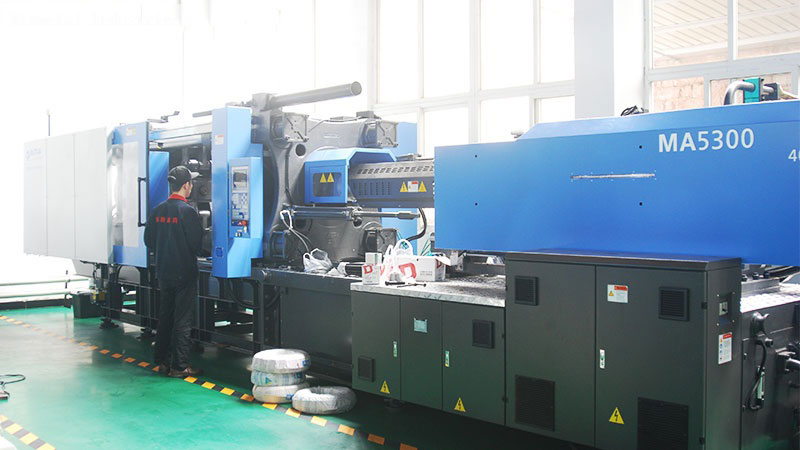
    The cornerstone of successful procurement is meticulous supplier verification. The term “China mold factory” encompasses a vast spectrum, from highly automated, vertically integrated giants to specialized, niche workshops. Your first task is to align technical capability with your project’s specific needs. Begin by scrutinizing a factory’s core competencies: do they have proven experience with your material (e.g., engineering-grade resins, LSR) and part complexity? Request detailed case studies and, crucially, speak directly to their engineering team. Verify business legitimacy through third-party platforms and insist on an initial video tour of their facility. This step is not merely about checking a box; it is about identifying a partner whose technological ecosystem matches your requirements for creating durable, precise custom made plastic parts.

    With a shortlist of qualified candidates, the focus shifts to technical procurement and design for manufacturability (DFM). The injection mold is the heart of your project, and its design is a collaborative process. A professional China mold factory will provide a comprehensive DFM report before any steel is cut. This document is critical—it analyzes your part design, suggests modifications to improve strength, reduce cost, and ensure consistent production. Engage deeply here. Discuss mold flow analysis, gate locations, cooling channel design, and ejection strategies. Clarify mold ownership, maintenance schedules, and the protocol for future modifications. Establishing these technical and commercial details upfront prevents costly misunderstandings and ensures the injection mold is built for longevity and performance, safeguarding your investment.

    Implementing rigorous, multi-stage quality control (QC) is non-negotiable. In 2026, reliance on pre-shipment inspection alone is a significant risk. Professional buyers build QC checkpoints into every phase. Start with First Article Inspection (FAI) using the initial samples from the approved mold. This involves comprehensive dimensional checks against your CAD drawings, material certification verification, and functional testing. For production runs, define a statistically valid sampling plan (e.g., AQL levels) and insist on in-process photos and data. For critical components, consider engaging a local third-party QC firm for impartial production monitoring and final random inspections. This layered approach to quality control transforms your specifications from a document into a guaranteed outcome, providing confidence before shipment leaves the factory floor.

    Effective communication and project management form the operational backbone of your import project. The complexities of cross-border collaboration require clear protocols. Designate single points of contact on both sides for technical and commercial discussions. Utilize shared project management tools to track milestones, open issues, and sample approvals. Be explicit about requirements: provide fully detailed 2D drawings with GD&T, signed-off samples, and approved material swatches. Understand and plan for the logistics chain—Incoterms 2026, shipping lead times, and import duties. A professional approach to project management minimizes delays, ensures alignment, and builds a foundation of trust with your China mold factory, turning a transactional purchase into a strategic partnership.

    As we advance into 2026, the landscape for importing custom made plastic parts from China will reward the prepared and the professional. Success is no longer found by simply searching for the lowest quote, but through a disciplined process of strategic supplier verification, collaborative technical procurement, embedded quality control, and diligent project management. By treating your chosen China mold factory as a true extension of your engineering and production team, you unlock not only cost advantages but also innovation, speed-to-market, and scalable quality. Embrace this structured approach to transform the inherent challenges of global sourcing into your most compelling competitive edge.

    Work With Us

    As a professional China mold manufacturer, we provide one-stop mold solution for overseas buyers.
    📞 Phone: +86-18605944639
    💬 WhatsApp: +8618605944639
    🌐 Website: bestmoldworks.com
    📧 Email: [email protected]
  • custom roto molding reviews: Professional Buying Guide 2026

    For overseas buyers, sourcing custom rotational molds from China represents a significant opportunity for cost efficiency and advanced manufacturing capability. However, navigating this complex procurement landscape requires more than just comparing price quotes. It demands a strategic, informed approach to supplier selection and project management. This 2026 professional buying guide moves beyond basic custom roto molding reviews to provide a structured framework for securing high-quality, reliable tooling from Chinese mold factories. Our focus is on actionable steps to mitigate risk, ensure quality, and build a profitable, long-term supply chain partnership.

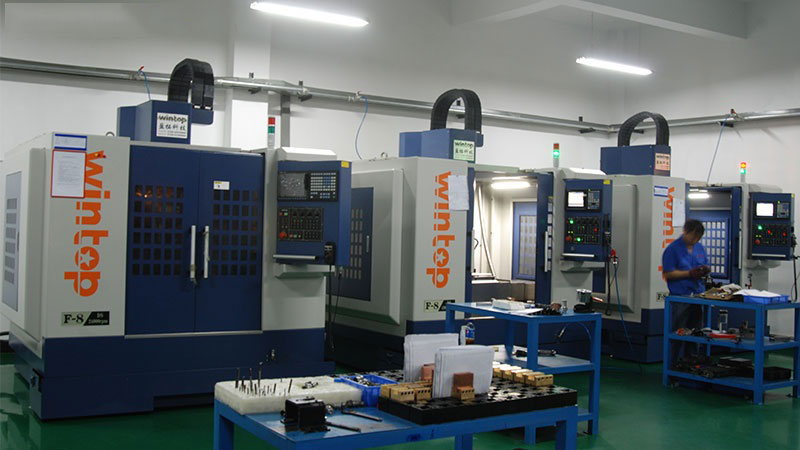
    The critical first step is moving beyond superficial supplier lists. In-depth supplier verification is the cornerstone of successful procurement. Begin by scrutinizing the China mold factory’s specific experience with rotational molding. Request detailed case studies, including photos and videos of roto molds they have produced and the finished parts from those molds. A factory proficient in injection mold tooling may not understand the unique design considerations for roto, such as material shrinkage, wall thickness uniformity, and proper venting. Verify business licenses and export history, and utilize third-party verification services. A video conference facility tour is non-negotiable in 2026; insist on a live, unscheduled walk-through of their production floor to assess their machinery, workshop organization, and in-process quality checks. This due diligence forms the real foundation that generic custom roto molding reviews often only hint at.

    Once a potential partner is identified, mastering the technical and commercial dialogue is essential. Your request for quotation (RFQ) package must be exceptionally detailed. Include not just a 3D model, but a comprehensive technical specification document covering the intended plastic material (e.g., polyethylene grade), required cycle time targets, surface finish specifications (texture, polish), and critical tolerances. Clearly state your expectations for mold life (number of cycles) and the required delivery timeline. During negotiations, focus on total cost of ownership, not just the initial mold price. Discuss payment terms strategically; a standard secure structure like 40% deposit, 50% before shipment, and 10% after successful sample approval is common. Ensure all agreements on steel grade (e.g., P20, 420 stainless for corrosion resistance), cooling line design, and ownership of intellectual property and mold design files are explicitly documented in a formal, bilingual purchase contract.

    Proactive, multi-stage quality control is your primary tool for preventing costly defects and delays. Do not rely solely on the supplier’s final inspection. Implement a defined Quality Control (QC) protocol at critical milestones: after initial steel block machining, after heat treatment (if applicable), and during the first article sample trial. Hire a local third-party QC inspector or use your agent to conduct an on-site inspection during the sample trial run. The inspector should verify dimensional accuracy using Coordinate Measuring Machine (CMM) reports against your drawings, check for surface defects like pits or scratches, and assess the functionality of all moving parts and vents. The first sample part produced from the mold is the ultimate test; evaluate it for wall thickness distribution, warpage, and overall functionality. This hands-on QC process transforms abstract promises into tangible, verified quality.

    The final phase, encompassing logistics and partnership development, ensures a smooth launch and future collaboration. Understand the Incoterms 2020 rules you agree upon. FOB (Free On Board) is typical, giving you control over international shipping and insurance. Ensure the China mold factory properly prepares the mold for export: it should be cleaned, preserved with anti-rust coating, and securely packed in a wooden crate with adequate internal bracing. All documentation, including a detailed packing list, commercial invoice, and certificate of origin, must be accurate for customs clearance in your country. Upon receipt, conduct your own inspection before signing off. View this first project as the beginning of a partnership. Provide constructive feedback to your supplier, and a reliable, communicative China mold factory is an invaluable asset for future projects, potentially streamlining development for new injection mold or other tooling needs.

    In conclusion, importing custom rotational molds from China in 2026 is a process best navigated with systematic professionalism rather than hopeful outsourcing. By executing rigorous supplier verification, engaging in precise technical communication, enforcing stringent multi-stage quality control, and managing logistics diligently, you transform the inherent complexities of overseas procurement into a competitive advantage. This guide provides the actionable framework to make informed decisions, moving you beyond relying on scattered custom roto molding reviews to becoming a proficient and confident buyer in the global tooling market. The result is not just a mold, but a robust supply chain partnership that delivers quality, value, and reliability for years to come.

    Work With Us

    As a professional China mold manufacturer, we provide one-stop mold solution for overseas buyers.
    📞 Phone: +86-18605944639
    💬 WhatsApp: +8618605944639
    🌐 Website: bestmoldworks.com
    📧 Email: [email protected]
  • custom plastic injection moulding company: Expert Tips 2026

    For overseas buyers, partnering with a custom plastic injection moulding company in China remains a strategic move to achieve significant cost savings and access advanced manufacturing capabilities. However, the landscape is evolving rapidly. As we look toward 2026, success hinges on moving beyond simple price comparisons to building intelligent, resilient, and transparent partnerships. This guide provides expert, actionable tips tailored for the modern importer, focusing on solving real procurement challenges and ensuring your project’s success from the first sketch to final production.

    Mastering Supplier Verification in the Digital Age

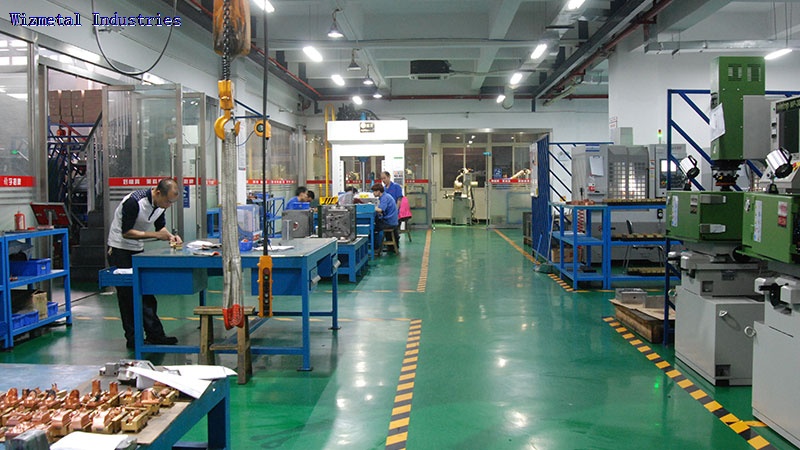
    The foundation of a successful import project is a thoroughly vetted China mold factory. In 2024, verification goes far beyond checking a business license. Start with a deep digital audit. Analyze their professional presence: do they have detailed case studies, engineering blogs, or videos of their facility and processes? Use platforms like Made-in-China.com or Alibaba, but prioritize suppliers with verified onsite checkmarks and, crucially, negative reviews that are addressed professionally. The next non-negotiable step is a live video tour. Demand a real-time walkthrough of their CNC, EDM, and molding workshops. This allows you to assess equipment modernity, workshop organization, and in-house capabilities, preventing scenarios where a broker subcontracts your critical injection mold. Always request contact information for two or three recent overseas clients and ask specific questions about communication and post-sales support.

    Strategic Communication and Technical Alignment

    Misalignment on technical specifications is the primary cause of delays, cost overruns, and failed molds. Before requesting a quote, invest time in a comprehensive product design review. Utilize Design for Manufacturability (DFM) principles and expect your potential custom plastic injection moulding company to provide a formal DFM report. This document should highlight potential issues with wall thickness, gate locations, undercuts, and material selection. Clearly define all part requirements upfront: critical dimensions and tolerances (using GD&T standards), surface finish specifications (SPI standards), intended resin, and expected annual volumes. Employ collaborative tools. Share 3D files (STEP or IGS) and annotated 2D drawings via secure cloud platforms. Schedule a kickoff meeting with both sales and project engineers to ensure everyone interprets the requirements identically. This proactive approach filters out suppliers who quote based on assumptions and identifies partners with genuine engineering expertise.

    Implementing Proactive Quality Control Protocols

    Waiting for the First Article Inspection (FAI) report at the end of the build is a high-risk strategy. The expert approach for 2026 involves layered, in-process quality control. Structure your payment terms to align with key inspection milestones—for instance, 30% deposit, 40% after successful T1 sample approval, and 30% before shipment. Require documented evidence at each stage: material certificates for the chosen steel, photos of the finished mold cavity, and videos of the initial trial shots. For high-value projects, engage a local third-party quality inspection firm to conduct critical stage inspections, such as after mold polishing and during the initial trial run. They can measure critical dimensions on the spot and verify the assembly and function of the injection mold. This process ensures issues are caught and rectified when they are least expensive to fix, long before the mold leaves the factory.

    Navigating Logistics and Total Cost of Ownership

    The lowest mold price can be misleading. Expert procurement now focuses on Total Cost of Ownership (TCO). When comparing quotes, ensure all elements are included: mold design, materials (specify steel grade like NAK80 or S136), standard components (brand of mold base, cylinders), number of trial shots, and any anticipated post-trial adjustments. Discuss and agree upon packaging standards—molds should be crated in a waterproof, shock-absorbent manner to prevent shipping damage. Clarify shipping terms (Incoterms 2026) explicitly. For example, FOB Shanghai means you own the goods and assume risk once they are loaded on the vessel; you must then arrange and pay for marine insurance and destination port clearance. Alternatively, DAP might simplify the process but at a higher cost. Factor in potential tariffs in your country and have a plan for mold maintenance and repair—ask the supplier about their support for providing spare components or repair drawings.

    Building a Partnership for Long-Term Production

    Your relationship with the supplier should not end when the mold is shipped. A reliable partner is crucial for ongoing production efficiency. Discuss their capacity for mass production and their process for handling production orders. Will they store your mold, and if so, at what cost? How do they manage production scheduling and quality checks during long runs? Establish clear protocols for production part approval process (PPAP) for automotive projects or similar quality documentation for your industry. Furthermore, address intellectual property protection formally. While China has strengthened IP laws, practical protection comes from a well-drafted Non-Disclosure Agreement (NDA) and a manufacturing agreement that specifies ownership of the mold and design files. Choosing a supplier invested in a long-term partnership often yields better priority during production runs and more cooperative problem-solving.

    Conclusion

    Importing molds from China in 2026 demands a sophisticated, process-oriented approach. By excelling in digital-age supplier verification, enforcing technical clarity through DFM, implementing proactive quality control checks, calculating true total costs, and fostering a transparent partnership, you transform procurement from a transactional risk into a strategic advantage. The goal is to identify a China mold factory that operates not just as a vendor, but as a true extension of your engineering and production team. By applying these expert tips, you position your project for a smooth journey from concept to high-quality, cost-effective plastic parts, ensuring your investment in a custom plastic injection moulding company delivers exceptional and reliable returns for years to come.

    Work With Us

    As a professional China mold manufacturer, we provide one-stop mold solution for overseas buyers.
    📞 Phone: +86-18605944639
    💬 WhatsApp: +8618605944639
    🌐 Website: bestmoldworks.com
    📧 Email: [email protected]
  • injection mold manufacturers near me: Best Suppliers & 2026

    For overseas buyers and procurement specialists, the search for “injection mold manufacturers near me” often leads to a critical realization: the most competitive and capable suppliers are frequently not local, but located across the globe in China. The Chinese manufacturing ecosystem offers unparalleled expertise, scalability, and cost-effectiveness for injection mold production. However, navigating this vast market to find a reliable partner requires a strategic, informed approach. This guide is designed to move you beyond a simple geographic search and provide a practical roadmap for successfully identifying, vetting, and collaborating with top-tier injection mold manufacturers in China for 2026 and beyond.

    The fundamental shift in mindset begins with redefining “near me.” In today’s interconnected global supply chain, proximity is less about physical distance and more about communication efficiency, logistical integration, and supplier responsiveness. A **China mold factory** with a dedicated international team, fluent English communication, and a proven track record with overseas clients can feel “closer” and more reliable than a local shop with limited capacity. Your goal is not to find the closest factory, but to build a seamless, transparent, and trustworthy partnership with a specialist half a world away. This process hinges on systematic supplier verification and rigorous quality control protocols from the very first interaction.

    Conducting Deep Supplier Verification Beyond the Website

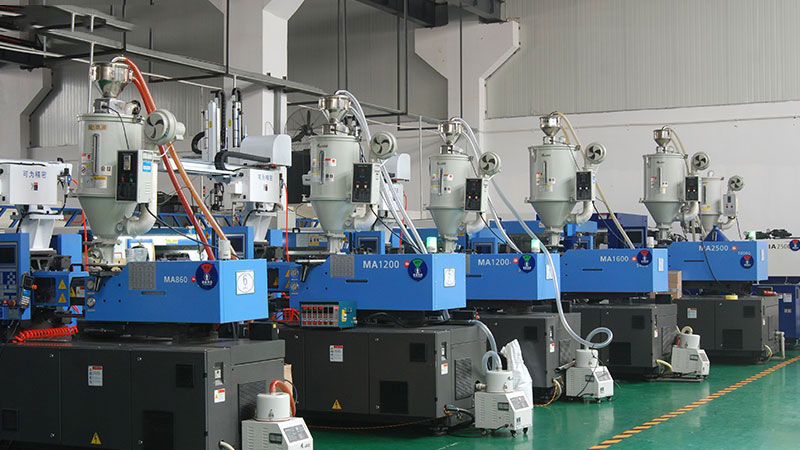
    The initial online search is merely the starting point. A professional website is a baseline expectation, not a guarantee of capability. True verification involves multi-layered due diligence. Start with a thorough analysis of their technical portfolio: do they have experience with parts similar to yours in material, complexity, and industry? Request detailed case studies. Next, utilize third-party verification platforms to check business licenses, export credentials, and any red flags. The most critical step, however, is a live video audit. Insist on a real-time video tour of the factory floor. This allows you to assess their machinery, workshop organization, and quality control stations firsthand. Ask to see their measuring equipment and meet the engineering team. A reputable **injection mold** supplier will be transparent and proud to showcase their facilities, turning a virtual visit into a powerful trust-building tool.

    Mastering the RFQ Process for Accurate Comparison

    A vague request for quotation will yield incomparable and often misleading responses. To accurately assess potential partners, your RFQ must be a comprehensive technical package. This should include not just a 3D model, but a detailed specification sheet covering part material, expected annual volumes, tolerance requirements, surface finish specifications, and critical-to-quality dimensions. Clearly state your expectations for mold lifecycle, maintenance, and spare parts. Furthermore, specify the deliverables: how many design reviews are included, what file formats you require, and the schedule for T1 sample submission. By providing this level of detail, you compel suppliers to quote on an identical scope of work. This transforms price comparisons from an exercise in guesswork into a meaningful evaluation of value, engineering insight, and attention to detail from each **China mold factory**.

    Implementing Stage-Gated Quality Control and Communication

    Quality cannot be inspected into a finished mold; it must be built into every step of the process. Establish a stage-gated payment and approval plan tied to key milestones. This typically includes phases like mold design review, steel inspection, first article inspection, and pre-shipment audit. For each gate, define the deliverables. For instance, at the design review stage, require flow and cooling analysis reports. Before steel is cut, request material certificates for the mold base and core/cavity inserts. The most crucial gate is the T1 sample approval. Plan for certified sample parts to be shipped to you or a third-party inspection agency in your region for full dimensional and functional testing. This structured approach, managed through regular scheduled video conferences, creates a framework of accountability and prevents major surprises at the project’s conclusion.

    Building a Partnership for Long-Term Success

    Viewing your chosen manufacturer as a mere vendor is a common pitfall. The most successful import relationships treat the **injection mold** supplier as a strategic manufacturing partner. This involves investing in clear communication channels, perhaps even designating a single point of contact on both sides. Discuss future plans; a reliable partner can advise on design for manufacturability optimizations that reduce part cost and improve mold longevity. Understand their capacity for mold maintenance, repair, and future modifications. A partner invested in your success will provide proactive suggestions and support the entire lifecycle of your product. This collaborative mindset, focused on mutual benefit, is the ultimate solution to the challenge of distance and ensures a supply chain that is resilient and competitive for 2026 and beyond.

    Conclusion

    The search for “injection mold manufacturers near me” ultimately evolves into a disciplined process of global partner selection. By shifting focus from geographic proximity to proven capability, overseas buyers can unlock the significant advantages of Chinese mold manufacturing. The keys to success lie in meticulous supplier verification, a detailed and controlled RFQ process, unwavering commitment to staged quality control, and fostering a true partnership. As you plan your procurement strategy for 2026, let these actionable steps guide you beyond the search bar and toward a reliable, high-quality, and cost-effective supply chain. The right manufacturer, though not local, will become a seamless and invaluable extension of your production team.

    Work With Us

    As a professional China mold manufacturer, we provide one-stop mold solution for overseas buyers.
    📞 Phone: +86-18605944639
    💬 WhatsApp: +8618605944639
    🌐 Website: bestmoldworks.com
    📧 Email: [email protected]
  • plastic mould manufacturers china: Best Suppliers & Qua 2026

    For overseas buyers, sourcing plastic injection molds from China remains a strategic decision to balance cost, capability, and scale. However, the landscape is vast and navigating it to find a truly reliable partner requires a methodical approach. The promise of competitive pricing can quickly be undone by hidden costs, communication breakdowns, and quality inconsistencies. This guide cuts through the noise, offering actionable strategies for 2026 to help you identify the best plastic mould manufacturers in China, verify suppliers effectively, and establish robust quality control from the outset.

    Conducting Deep Supplier Verification Beyond the Website

    The first and most critical step is moving beyond a simple online search. A professional website is a baseline, not a guarantee. True supplier verification involves multiple layers of due diligence. Start by checking business licenses (via platforms like Tianyancha) to confirm legal standing and registered capital, which can indicate scale. However, the most valuable step is a virtual or in-person factory audit. Reputable China mold factory operations will readily arrange video tours. During these, look for organization on the shop floor, the condition and brands of machinery (e.g., Haitian, Engel, or Sodick EDM machines), and dedicated quality stations with measuring equipment like CMMs and optical comparators. Furthermore, insist on speaking directly to the engineering and project management team who will handle your account, not just sales staff. This verifies their technical English proficiency and understanding of international standards.

    Mastering the RFQ Process for Accurate Comparison

    A poorly defined Request for Quotation (RFQ) will yield incomparable and often misleading quotes. To engage plastic mould manufacturers in China effectively, your RFQ must be a comprehensive technical package. Include not just a 3D model (STEP or IGS file), but a detailed specification document. This should cover the exact plastic material (including grade and supplier), expected annual volumes, critical part dimensions and tolerances (GD&T if applicable), surface finish requirements (SPI standards), and a clear mold specification: number of cavities, hot runner vs. cold runner system, mold steel grade (e.g., P20, H13, S136), and expected cycle time. Providing this level of detail forces suppliers to quote on the same scope, reveals which ones ask insightful clarifying questions, and separates serious manufacturers from traders who may underestimate complexity and cost.

    Implementing Stage-Gate Quality Control and IP Protection

    Quality cannot be inspected into a mold; it must be built in through a managed process. Agree on a stage-gate payment and inspection protocol before any work begins. A standard protocol for injection mold procurement should include: 1) Design Review (approval of mold flow analysis and mold structure drawings), 2) First Article Inspection (FAI) of critical mold components like cavities and cores, 3) T1 Sample Approval (testing first shots from the mold with your specified material, followed by a full dimensional report), and 4) Pre-shipment Audit. For each gate, define the deliverables (reports, photos, video of mold function). This structured approach prevents major surprises and allows for corrective action early when costs are lower. Simultaneously, address Intellectual Property (IP) protection formally. A signed Non-Disclosure Agreement (NDA) is essential, but for bespoke molds, consider registering the design in China. The most practical protection, however, is working with a manufacturer whose reputation and own client portfolio demonstrate respect for IP.

    Navigating Logistics, Communication, and Total Cost

    Understanding the full cost and logistics chain is vital for a smooth import process. Your quote should clearly break down EXW, FOB, or CIF terms. For molds, FOB is common, meaning you own the goods once they are loaded on the ship, and you control the freight and insurance. Partner with a reliable freight forwarder experienced in handling heavy machinery and mold shipments; proper crating is essential to prevent damage. Factor in import duties and VAT in your destination country. Furthermore, establish a clear, single-point-of-contact communication protocol. Determine which platform will be used for daily updates (e.g., email, WhatsApp, WeChat, or a project portal) and set expected response times. Regular, scheduled update meetings, even if brief, are far more effective than sporadic communication. This end-to-end planning transforms the procurement from a simple purchase into a managed project.

    Building a Partnership for Long-Term Success

    Viewing your chosen supplier as a strategic partner rather than a one-time vendor yields significant long-term benefits. A manufacturer that understands your quality expectations, design philosophy, and market needs becomes an invaluable extension of your team. This is particularly true for plastic mould manufacturers in China who invest in advanced engineering capabilities like mold flow simulation, conformal cooling, and precision machining. For future projects, this partnership can lead to more collaborative design-for-manufacturability (DFM) input, potentially simplifying mold design and reducing part cost. It also ensures priority scheduling and consistent quality across multiple projects. In the dynamic manufacturing environment of 2026, such a partnership provides stability, continuous improvement, and a competitive edge.

    Conclusion

    Successfully importing high-quality plastic injection molds from China in 2026 hinges on a disciplined, process-oriented approach. It begins with rigorous supplier verification that looks behind corporate marketing, continues through a meticulously detailed RFQ and a structured stage-gate quality control regimen, and is solidified by clear communication and logistics planning. By implementing these strategies, you move beyond price-shopping to building a professional relationship with a capable China mold factory. This partnership ultimately safeguards your investment, ensures the reliability of your production tooling, and secures a sustainable supply chain for your plastic components. The goal is not just to find a supplier for today, but to identify a manufacturing partner who will contribute to your success for years to come.

    Work With Us

    As a professional China mold manufacturer, we provide one-stop mold solution for overseas buyers.
    📞 Phone: +86-18605944639
    💬 WhatsApp: +8618605944639
    🌐 Website: bestmoldworks.com
    📧 Email: [email protected]
  • china mold factory: Best Suppliers & Quality Control 2026

    For global businesses, sourcing precision tooling from a China mold factory represents a significant strategic advantage, offering a compelling balance of cost efficiency, technical capability, and scale. However, the path to a successful partnership and a flawless injection mold is paved with critical decisions in supplier selection and quality assurance. As we look toward 2026, the landscape is evolving, with leading manufacturers adopting smarter technologies and more transparent processes. This guide cuts through the noise to provide overseas buyers with a professional, actionable framework for procurement, focusing on identifying the best suppliers and implementing ironclad quality control from the very first inquiry.

    The foundation of a successful import project lies in meticulous supplier verification. The term “China mold factory” encompasses a vast spectrum, from rudimentary workshops to world-class, fully automated facilities. Your first task is to segment this market effectively. Begin by moving beyond basic B2B platforms. While useful for initial contact, prioritize suppliers with a substantive digital footprint: detailed, modern websites showcasing engineering case studies, client lists, and technical white papers. For critical projects, nothing replaces an in-person or professionally conducted virtual audit. In 2026, expect leading factories to readily offer live video tours of their CNC machining centers, EDM equipment, and CMM inspection rooms. Verify business licenses, export history, and ask for references from clients in your region or industry. A reliable partner will be transparent, responding to technical questionnaires thoroughly and demonstrating a clear understanding of international standards like DME, HASCO, or your specific material requirements.

    Once a shortlist of potential partners is established, the procurement process must be engineered for clarity and accountability. The request for quotation (RFQ) package is your most important tool. It must extend far beyond a 3D model and expected part volume. Include a comprehensive mold specification document covering steel grade (e.g., P20, H13, S136), cavity surface finish, tolerance requirements, cooling channel design, and expected cycle time. Specify all deliverables: 3D mold structure drawings, DFM (Design for Manufacturability) report, mold flow analysis, and a complete set of spare parts. In your communications, explicitly discuss project management structure. Who is your single point of contact? What are the milestone review stages? Establishing a formalized gate process for design approval, first article inspection, and pre-shipment testing is non-negotiable. This structured approach separates professional, process-oriented factories from those prone to costly misunderstandings and delays.

    The pivotal differentiator in 2026 will be a supplier’s commitment to and execution of proactive quality control. True quality is built into the mold, not merely inspected at the end. Insist on a quality control plan that is active throughout the manufacturing lifecycle. This starts with material certification for the mold steel. During machining, critical components should be measured and recorded using CMM (Coordinate Measuring Machine) or laser scanners, with data available for your review. The trial shot stage is critical. Do not accept simple video clips of a few parts. Require a formal T1 sample report that includes high-resolution photos of the molded parts, CMM inspection reports against your part drawing, and documentation of key process parameters. For high-volume or precision molds, consider engaging a trusted third-party quality inspection service based in China for an impartial pre-shipment audit. This layer of oversight verifies workmanship, completeness, and function before the mold leaves the factory floor, preventing costly disputes and rework after international shipment.

    Building a sustainable partnership with a China mold factory requires viewing the relationship as a strategic collaboration, not a one-time transaction. The most successful buyers invest in clear, consistent communication and mutual respect. Schedule regular update calls, use shared project management platforms for tracking, and ensure all technical feedback is documented. Be prepared for cultural nuances in negotiation and problem-solving; patience and clarity are virtues. Furthermore, look for suppliers investing in the future. A factory upgrading to Industry 4.0 principles, with IoT-enabled machines for real-time monitoring and data-driven process optimization, is a partner poised to deliver consistency and innovation for years to come. Discuss their capabilities in adjacent services like part production, assembly, or packaging, which can streamline your supply chain further.

    In conclusion, navigating the vast ecosystem of Chinese mold manufacturing to secure a best-in-class partner for 2026 demands a disciplined, informed approach. The competitive edge is no longer found by simply seeking the lowest price, but by rigorously verifying supplier capability, engineering a transparent procurement process, and mandating a data-driven quality control protocol. By applying these professional strategies, overseas buyers can confidently leverage the immense technical skill and efficiency of a top-tier China mold factory. The result is more than just a tool; it is a foundation for product quality, manufacturing agility, and long-term market competitiveness. As the industry advances, aligning with forward-thinking suppliers who prioritize precision, partnership, and proactive quality management will be the defining factor in successful, stress-free mold import projects.

    Work With Us

    As a professional China mold manufacturer, we provide one-stop mold solution for overseas buyers.
    📞 Phone: +86-18605944639
    💬 WhatsApp: +8618605944639
    🌐 Website: bestmoldworks.com
    📧 Email: [email protected]

  • custom injection molded parts: Reliable Manufacturers 2026

    For overseas buyers, sourcing custom injection molded parts represents a significant opportunity to achieve cost efficiency without sacrificing quality. China remains the global epicenter for mold manufacturing and injection molding services. However, the landscape is evolving rapidly. As we look toward 2026, finding a truly reliable partner requires a modern, strategic approach that moves beyond simple price comparisons. This guide provides actionable insights to navigate the procurement process, mitigate risks, and build a successful partnership with a top-tier China mold factory.

    The foundation of any successful project lies in rigorous supplier verification. In 2026, reliability is defined by transparency and technological capability, not just a low quote. Begin your search with a deep dive into a potential supplier’s core competencies. Do they specialize in your industry or material type? Request detailed case studies and, crucially, ask for video tours of their facility. A reputable injection mold maker will readily showcase their workshop, machinery, and quality control stations. Verify their business licenses and export history. Utilize third-party inspection services for an initial audit if the order volume justifies it. This first step filters out trading companies masquerading as manufacturers and identifies partners with the genuine infrastructure to deliver.

    Once a potential partner is identified, the focus shifts to technical alignment and project management. The design for manufacturability phase is critical. A reliable manufacturer will invest engineering time to review your part design, suggesting optimizations for mold flow, wall thickness, and ejection to enhance durability and reduce production costs. Discuss their mold steel sourcing and standard components; reputable factories use certified materials and detail this in their quotation. Clearly define the project timeline, including stages for design approval, mold fabrication, sampling, and testing. Establish a single point of contact for technical and commercial communication to prevent misunderstandings. This collaborative front-end process ensures the injection mold is built correctly from the outset.

    Proactive quality control is the non-negotiable pillar of reliability. For overseas buyers, you cannot inspect every part. Therefore, your supplier’s QC system must be your eyes and hands. Demand a detailed Quality Control Plan before production begins. This should outline in-process checks during molding, first-article inspection reports, and the final random inspection protocol based on AQL standards. Inquire about their metrology equipment—coordinate measuring machines and 3D scanners are indicators of a serious operation. For initial production runs, insist on pre-shipment samples for your approval. Many leading factories now offer real-time production monitoring via secured cameras or data dashboards. This level of transparency in quality control transforms procurement from a leap of faith into a managed, predictable process.

    Managing logistics and protecting intellectual property are paramount concerns. A reliable partner in 2026 will have experience navigating complex international shipping and customs clearance. They should offer clear Incoterms and recommend reliable freight forwarders. Discuss packaging standards to prevent damage during transit. Regarding IP, while China has strengthened its legal frameworks, practical on-the-ground protection is essential. Sign a comprehensive Non-Disclosure Agreement that is enforceable in the manufacturer’s local jurisdiction. For critical projects, consider splitting the mold fabrication and final production between two different factories, or ensure your mold design is stored securely. A trustworthy China mold factory will understand these concerns and willingly engage in contractual protections, viewing them as a sign of a serious, long-term business relationship.

    Looking ahead to 2026, the most reliable manufacturers are those embracing sustainability and digital integration. Environmental compliance is increasingly important for global brands. Inquire about a factory’s handling of regrind material, energy-efficient machinery, and certifications like ISO 14001. Furthermore, assess their digital maturity. Can they seamlessly exchange 3D CAD files? Do they use project management software to provide updates? Partners who leverage technology for communication and process efficiency reduce errors and build stronger, more transparent collaborations. This forward-thinking mindset is a key differentiator for buyers seeking a partnership that will endure market shifts and evolving standards.

    In conclusion, securing reliable custom injection molded parts from China in 2026 demands a blend of traditional due diligence and modern strategic partnership. The journey from supplier verification to final shipment must be managed with clear communication, embedded quality control, and contractual clarity. By focusing on manufacturers who demonstrate technical expertise, transparent operations, and a commitment to continuous improvement, overseas buyers can unlock tremendous value. The goal is to move beyond a transactional vendor relationship to a collaborative alliance where your success is integral to their operation. This approach not only secures your immediate supply of high-quality injection molded parts but also builds a resilient foundation for future innovation and growth.

    Work With Us

    As a professional China mold manufacturer, we provide one-stop mold solution for overseas buyers.
    📞 Phone: +86-18605944639
    💬 WhatsApp: +8618605944639
    🌐 Website: bestmoldworks.com
    📧 Email: [email protected]

  • injection mould Manufacturerturers in China: Profession 2026

    For global OEMs and product developers, sourcing injection molds from China remains a strategic decision to balance high quality with cost efficiency. However, the landscape is evolving rapidly. As we look toward 2026, the profession of injection mould manufacturers in China is undergoing a significant transformation, driven by smart manufacturing, sustainability demands, and a sharper focus on integrated service. For the overseas buyer, this means both greater opportunity and a more complex verification process. Success no longer hinges solely on finding the lowest quote but on identifying partners who embody this new professional standard. This guide provides actionable strategies to navigate this evolved market and build a resilient, high-value supply chain.

    The cornerstone of any successful import project is rigorous supplier verification. The term “China mold factory” now encompasses a vast spectrum, from traditional workshops to fully automated Industry 4.0 facilities. Your first step must be to move beyond Alibaba listings and conduct deep due diligence. Prioritize manufacturers who transparently showcase their capabilities through detailed process documentation, client case studies specific to your industry, and verifiable certifications such as IATF 16949 for automotive or ISO 13485 for medical devices. Utilize video conferencing to conduct virtual factory tours, paying close attention to their machine park—look for modern CNC, EDM, and injection molding machines—and their workshop organization. A professional partner in 2026 will readily provide this access, understanding it is a baseline requirement for international procurement. Furthermore, insist on speaking directly with their project management and engineering team to assess their technical communication skills and problem-solving approach.

    Once a potential partner is identified, mastering the technical and commercial discussion is critical. A professional injection mold manufacturer will treat the Design for Manufacturability (DFM) review not as a formality, but as a collaborative, value-engineering phase. Provide detailed 3D drawings and material specifications, and expect a comprehensive DFM report that addresses potential issues like wall thickness, gate locations, ejection, and sink marks. This stage is where the true expertise of your supplier is revealed. Regarding quotations, understand that a professional 2026 quote will be broken down transparently: mold base cost, cavity and core machining, hot runner system (if applicable), trials, and post-processing. Be wary of lump-sum quotes that obscure these details. Clearly define payment terms linked to milestones—a common and secure structure is 30-40% deposit, 40-50% after T1 sample approval, and the balance before shipment. This aligns interests and ensures accountability throughout the injection mold creation process.

    The most common point of failure in international procurement is inadequate quality control protocols. For injection molds, quality is not a single inspection but a process embedded from steel selection to final sampling. Specify the mold steel grade (e.g., P20, H13, S136) and demand material certificates. Establish agreed-upon Quality Control Inspection Plans (QCIP) that include critical checkpoints: pre-hardening inspections, cavity and core precision measurements using CMM reports, and mold trial stages. The T1 sample trial is non-negotiable. Ideally, you or a trusted third-party representative should be present to approve the first shots. If physical attendance is impossible, mandate high-resolution videos of the trial process, close-up photos of the samples, and a full dimensional report. Professional manufacturers will have standardized this documentation process. For ongoing production, define acceptable part quality standards using AQL levels and ensure your supplier has the metrology equipment to verify them.

    Building a successful partnership extends beyond the initial order. The leading injection mould manufacturers in China are now focusing on providing end-to-end solutions. Discuss their capacity for low-volume production or full production runs using the mold they have built. This vertical integration offers better consistency and faster response times. Furthermore, the profession in 2026 demands clarity on post-sales support. Prior to contract signing, agree on terms for mold maintenance, repair, and storage. Who is responsible for wear and tear? What is the process and cost for modifying the mold if your product design has a future iteration? A reliable partner will have a clear framework for this, viewing the mold as a long-term asset in your partnership. Effective communication, often facilitated through platforms like WeChat or Microsoft Teams with bilingual project managers, is essential for navigating these ongoing aspects and ensuring a smooth procurement journey.

    In conclusion, sourcing from injection mould manufacturers in China in 2026 represents a shift toward sophisticated, collaborative partnerships. The market leaders have elevated their profession, competing on technological capability, process transparency, and service integration rather than price alone. Your procurement strategy must evolve accordingly. By implementing rigorous supplier verification, engaging deeply in the DFM process, instituting robust quality control from steel to sample, and planning for long-term partnership logistics, you can mitigate risks and unlock exceptional value. The future of importing injection molds from China is not about finding a vendor; it is about identifying a professional manufacturing partner whose growth and capabilities align with your own innovation trajectory. Embrace this professionalized approach, and your China mold factory will become a cornerstone of your competitive advantage.

    Work With Us

    As a professional China mold manufacturer, we provide one-stop mold solution for overseas buyers.
    📞 Phone: +86-18605944639
    💬 WhatsApp: +8618605944639
    🌐 Website: bestmoldworks.com
    📧 Email: [email protected]

  • custom plastic injection molding near me: Expert Tips 2026

    For overseas businesses, the search for “custom plastic injection molding near me” often leads to a critical realization: the most competitive solutions for high-quality, cost-effective custom parts frequently lie not locally, but with specialized manufacturers overseas. In 2026, China remains the global epicenter for precision mold manufacturing and injection molding services. However, the path to a successful partnership requires a modern, strategic approach. This guide provides expert tips tailored for international buyers looking to navigate the procurement process, mitigate risks, and build a profitable supply chain with a reliable China mold factory.

    The core challenge has evolved. It is no longer simply about finding a low-cost provider; it is about identifying a competent, transparent, and technologically adept partner capable of delivering consistent quality. The geographical distance inherent in importing molds demands a proactive and informed strategy that replaces physical proximity with digital clarity and rigorous process control. Success hinges on moving beyond basic price comparisons to a focus on engineering collaboration, supplier verification, and integrated quality systems.

    Mastering Digital Supplier Verification and Vetting

    The initial search phase is paramount. In 2026, a sophisticated China mold factory will have a robust digital footprint that goes beyond a static website. Start by analyzing their technical portfolio for projects similar in complexity, material, and industry to yours. Utilize professional B2B platforms, but prioritize suppliers with detailed case studies, technical blogs, and video content showcasing their machinery and workflow. The verification process must include a deep dive into their engineering team’s credentials and communication capabilities. Schedule video conferences to meet the project managers and engineers directly. Request and meticulously check references from their existing overseas clients, specifically inquiring about design-for-manufacturability feedback, problem-solving responsiveness, and adherence to timelines. This digital due diligence is your first and most crucial filter.

    Implementing Proactive Design and Technical Collaboration

    Once a potential partner is shortlisted, transform the quotation phase into a collaborative technical review. Simply sending a 3D model and requesting a price is a recipe for misunderstandings. Engage the supplier’s engineering team early in the design process. A competent injection mold partner will provide a formal Design for Manufacturability (DFM) report. This document should offer actionable feedback on draft angles, wall thickness uniformity, gate locations, and ejection strategies to optimize the mold for durability and part quality. Discuss and agree upon critical specifications upfront: mold steel grade (e.g., pre-hardened steel, stainless, or hardened steels like H13), cavity life expectancy, surface finish requirements (SPI standards), and the inspection methodology. Clarifying these technical details before order placement aligns expectations and prevents costly revisions later.

    Building a Robust Quality Control Framework from the Start

    Quality cannot be inspected into a finished injection mold; it must be built into the process. Your purchase order and contract must explicitly detail the quality control protocol. Mandate staged inspections with digital evidence. Key milestones include: material certification for the mold steel, a thorough First Article Inspection (FAI) report of the initial molded samples against your CAD dimensions, and a comprehensive mold trial video documenting part ejection, cycle time, and any adjustments made. For critical components, consider engaging a local third-party quality inspection service to conduct pre-shipment audits. This provides an objective assessment of the final mold and initial production parts. Establishing this documented QC framework shifts the relationship from a transactional purchase to a managed engineering project, ensuring the delivered injection mold meets your precise specifications.

    Navigating Logistics, IP Protection, and Long-Term Partnership

    The final stages secure your investment. Ensure you have a clear Incoterm (e.g., FOB, EXW) that defines responsibilities for shipping and insurance. Work with your supplier or a freight forwarder experienced in handling delicate模具 (molds) to arrange safe packaging and transportation. Intellectual Property protection remains a top concern. A professional supplier will be open to signing a Non-Disclosure Agreement (NDA). Furthermore, your contract should stipulate that all design and tooling ownership remains with your company. For ongoing production, discuss their capacity for production part validation, batch testing, and their system for managing mold maintenance and storage. A true partner will view the initial mold as the beginning of a long-term relationship, offering transparent communication for future orders or modifications.

    Conclusion

    For the discerning overseas buyer, the strategic search for “custom plastic injection molding near me” in 2026 is effectively a search for a world-class manufacturing partner in China. The process demands a shift from a cost-centric to a value-centric procurement model. By implementing rigorous digital supplier verification, fostering early technical collaboration, enforcing a structured quality control regime, and solidifying terms for logistics and IP, you transform geographical distance into a competitive advantage. The result is not merely a purchased injection mold, but a secured supply chain capability that delivers reliability, innovation, and sustained value for your business. With these expert tips, your venture into importing molds from China can be a calculated and highly successful component of your global manufacturing strategy.

    Work With Us

    As a professional China mold manufacturer, we provide one-stop mold solution for overseas buyers.
    📞 Phone: +86-18605944639
    💬 WhatsApp: +8618605944639
    🌐 Website: bestmoldworks.com
    📧 Email: [email protected]

  • custom plastic molding near me: Best Suppliers & Qualit 2026

    For overseas buyers and product developers, the search for “custom plastic molding near me” often reveals a challenging reality: high costs, limited capacity, or lengthy lead times from local suppliers. This local search, however, can be the first step toward a far more strategic and cost-effective solution: importing molds from China. The global manufacturing landscape has evolved, and China remains the epicenter for high-quality, competitively priced custom tooling and plastic parts. For 2026, the paradigm is not about finding a random factory but about systematically identifying and partnering with the best Chinese mold suppliers to achieve unparalleled quality and value. This guide provides actionable, professional strategies to transform your local need into a successful international procurement venture.

    The foundation of success lies in precise supplier verification. Moving beyond a simple online directory search is critical. Start by identifying a China mold factory with a proven track record in your specific industry, whether it’s automotive components, medical devices, consumer electronics, or packaging. Scrutinize their portfolio for projects of similar complexity and material use. Essential verification steps for 2026 include requesting detailed company audits, verifying business licenses, and insisting on virtual factory tours via video call. Pay close attention to their engineering team’s expertise and communication skills. A reliable partner will proactively discuss your design for manufacturability (DFM) rather than just accepting your files. This due diligence phase replaces geographical proximity with verified professional reliability.

    Once a potential partner is identified, the focus must shift to a rigorous technical and commercial proposal process. A professional China mold factory will provide a comprehensive quotation that breaks down costs for the injection mold tooling and the per-unit part price. For the mold itself, expect details on steel grade (such as P20, H13, or S136 for corrosion resistance), mold life expectancy (number of shots), cavity count, and cooling system design. The part quote should specify material type, color, secondary operations (assembly, ultrasonic welding, painting), and packaging standards. In 2024, leading suppliers utilize sophisticated project management platforms to share 3D mold flow analysis, ensuring the tool design will produce parts with minimal stress and consistent quality. This transparent process mitigates risk and aligns expectations before any financial commitment.

    Managing quality control from overseas is the most common concern, and it is entirely solvable with a structured approach. Your procurement strategy must integrate quality checkpoints at every stage. First, mandate a First Article Inspection (FAI) report with full dimensional measurements against your CAD drawings once the initial parts are produced from the final mold. Second, for ongoing production, implement a statistically based sampling plan (like AQL) for pre-shipment inspections. Many reputable third-party quality control firms in China can act as your on-the-ground eyes, providing impartial reports. Furthermore, discuss the supplier’s internal quality processes: do they use coordinate measuring machines (CMM), optical comparators, and have a dedicated QC department? A true partner in quality will welcome and facilitate these verification steps, ensuring the output matches the “custom plastic molding near me” quality standards you require, even from thousands of miles away.

    Effective communication and intellectual property (IP) protection are non-negotiable pillars. Establish clear communication protocols from the outset. Designate a single point of contact on both sides who is technically fluent. Use collaborative tools for drawing markups and progress tracking. Regarding IP protection, a professional contract is your first defense. It should explicitly state that all molds, designs, and tooling are your property. Physically, ensure mold cavities are engraved with your company name or part number, and contractually secure the right to retrieve the mold at the end of production or in case of a dispute. While trust is built through partnership, these professional safeguards ensure the relationship and your assets are secure, making the distant supplier as accountable as a local one.

    The logistics and total cost of ownership calculation finalize the strategy. While the initial tooling investment in China is often significantly lower, consider the entire lifecycle. Factor in shipping costs for the mold (typically by air for speed or sea for economy) and the ongoing shipment of produced parts. Consolidating orders to fill containers optimizes shipping costs. Also, consider the long-term: a well-made injection mold from a quality-focused China mold factory will have a longer lifespan and require less maintenance, reducing your cost per part over time. By 2026, the most successful importers view their Chinese mold supplier not as a one-time vendor but as a strategic extension of their manufacturing capability, leading to iterative product improvements and sustained competitive advantage.

    In conclusion, the search for “custom plastic molding near me” is best resolved by looking globally with a local partner’s mindset. The best suppliers for 2026 are those who combine advanced engineering capabilities with transparent processes and a partnership ethos. By mastering supplier verification, demanding technical clarity, implementing robust quality control, safeguarding your IP, and calculating total costs, you can import molds from China with confidence. This approach transforms the perceived barriers of distance into a powerful lever for innovation, cost efficiency, and market success, ensuring that your custom plastic molding project meets the highest standards of quality and performance.

    Work With Us

    As a professional China mold manufacturer, we provide one-stop mold solution for overseas buyers.
    📞 Phone: +86-18605944639
    💬 WhatsApp: +8618605944639
    🌐 Website: bestmoldworks.com
    📧 Email: [email protected]